English
 Spanish
 French
Aluminum End Dump Trailer vs Steel End Dump Trailer
If you’ve been in the hauling business for any length of time, you know that choosing the right end dump trailer can make or break your bottom line. The age-old debate between aluminum end dump trailer versus steel options isn’t just about personal preference – it’s about understanding what each material brings to the table and how that translates to real-world performance on your jobsites.
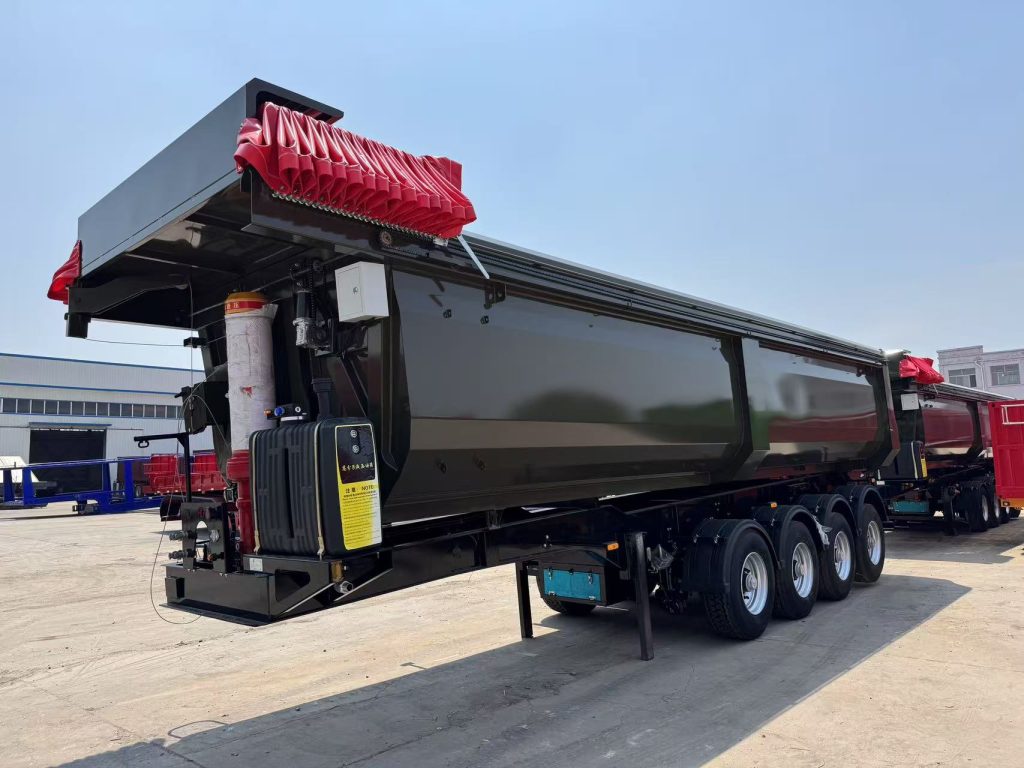
steel end dump trailer
Weight and Payload
Considering the weight of the dump trailer, and honestly, where aluminum starts to shine. We’ve all been there – loading up a trailer only to realize you’re pushing weight limits before you’ve even filled it halfway. Aluminum end dump trailers tackle this headache head-on by weighing significantly less than their steel dump trailers counterparts.
We’re talking about a substantial difference here – up to 6,000 pounds lighter for comparable-sized trailers. Now, if you’re doing the math in your head (and every good hauler should be), that’s 6,000 additional pounds of material you can legally haul per trip. Over the course of a year, with multiple trips per day, that weight advantage can translate into serious money saved on fuel and extra revenue from increased payload capacity.
Think about it this way: every time you fire up that truck, you’re carrying less dead weight with aluminum, which means your engine doesn’t have to work as hard. Less strain on the engine, better fuel efficiency, and more material per load – it’s a triple win that adds up quickly in your operational costs.

aluminum end dump trailer
Strength and Durability
Now, let’s address the elephant in the room. Steel end dump trailers have earned their reputation for being tough as nails, and there’s good reason for that. Steel’s inherent density and rigidity make it a beast when it comes to handling punishment from heavy, abrasive materials day in and day out.
If you’re the type of operator who’s constantly loading up with jagged concrete chunks, rough aggregate, or any material that gets tossed in without much ceremony, steel’s durability becomes a real asset. These trailers can take a beating and keep on trucking, with less worry about dents and dings from careless loading practices.
But here’s what might surprise you about the aluminum vs steel dump trailer debate: modern aluminum trailers aren’t the lightweight pushovers some folks think they are. Today’s aluminum trailers use high-grade alloys that pack impressive strength while maintaining that crucial weight advantage. The manufacturing process and welding techniques have evolved to the point where aluminum trailers can handle serious workloads.
The trade-off? Aluminum does show its battle scars more easily. If your crew tends to be a bit rough around the edges when loading materials, you might notice more surface damage with aluminum. However, here’s an interesting quirk – aluminum’s flexibility can actually work in its favor, sometimes allowing minor dents to work themselves out over time with normal use.
Maintenance and Corrosion Resistance
This is where aluminum end dump trailers really start to pull ahead in the long game. We’ve all seen those steel trailers that looked great when they rolled off the lot but started showing rust spots within a couple of seasons. Steel’s biggest enemy isn’t the heavy loads – it’s Mother Nature.
With steel trailers, you’re looking at a continuous cycle of rust-proofing, touch-up painting, and major repainting jobs every few years just to keep them presentable and structurally sound. It’s not just about looks either – rust compromises the trailer’s integrity over time.
Aluminum naturally laughs at rust and corrosion. The most maintenance you’ll typically need is an acid wash every few years to keep it looking sharp. When you factor in labor costs and downtime for maintenance, aluminum’s low-maintenance nature becomes a significant operational advantage.
Here’s another practical consideration: when aluminum does get dinged up, its malleability makes repairs easier and more cost-effective. Steel repairs often require more intensive work, specialized equipment, and higher labor costs.
Cost and Value
Let’s talk dollars and cents, because at the end of the day, that’s what drives most business decisions. Steel end dump trailers win the initial sticker shock battle hands down – we’re typically looking at around $30,000 less upfront compared to aluminum options. For operators working with tight capital budgets or those just starting out, that initial cost difference can be the deciding factor.
But here’s where the aluminum trailer vs steel trailer calculation gets more complex. Those maintenance savings we talked about? They add up. The fuel savings from hauling less dead weight? They compound over time. The ability to haul more material per trip? That’s revenue you can’t generate with heavier steel trailers.
When it comes to aluminum end dump trailer for sale opportunities versus steel end dump trailers for sale options, aluminum trailers typically maintain their value better. They age more gracefully, stay cleaner-looking longer, and command higher resale prices when it’s time to upgrade your fleet.
Environmental Impact
If environmental responsibility factors into your business decisions (and increasingly, it should), aluminum pulls ahead significantly. Most aluminum trailers incorporate around 85% recycled aluminum content, and the manufacturing process generates fewer harmful byproducts compared to steel production.
For contractors working with environmentally conscious clients or operating under green building certifications, choosing aluminum can be a selling point that differentiates your services.
Which Trailer Should You Choose?
The steel trailer vs aluminum decision ultimately comes down to your specific operational needs and business model:
Go with a steel end dump trailer if you’re budget-conscious upfront, regularly haul extremely abrasive materials, operate in environments where trailer abuse is common, and prefer the peace of mind that comes with steel’s proven durability record.
Choose an aluminum end dump trailer if you prioritize long-term cost savings, make frequent trips where weight savings translate to revenue, want minimal maintenance hassles, operate over long distances where fuel efficiency matters, and plan to maintain good resale value for eventual fleet upgrades.
Market and Buying Tips
When you’re shopping for either aluminum end dump trailer for sale opportunities or evaluating steel end dump trailers for sale, keep these practical considerations in mind:
Construction quality varies significantly – some aluminum trailers use all-aluminum construction while others combine steel frames with aluminum bodies. Understanding these differences helps you compare apples to apples when evaluating the aluminum vs steel dump trailer options.
Calculate the payload-to-weight ratio for your specific hauling needs. Sometimes a slightly smaller aluminum trailer can legally haul more material than a larger steel option due to weight restrictions.
Consider your typical material types and loading practices. If your operation involves careful loading of lighter materials, aluminum’s susceptibility to damage becomes less of a concern.
Factor in your local climate and storage conditions. Areas with harsh winters or high humidity can accelerate steel corrosion, making aluminum’s resistance more valuable.
Understanding these real-world factors will help you make an informed decision about whether dump steel or aluminum better serves your hauling business’s long-term success.