English
 Spanish
 French
CKD VS CBU: Choosing the Right Trailer Transportation Method
When purchasing a heavy-duty trailer, most buyers naturally focus on price and technical specifications. However, the trailer transportation method you choose deserves equal attention and careful consideration.
Across many African countries, your choice of transportation method has significant implications for:
- Total landing cost
- Import duties and tax obligations
- Port handling procedures and clearance times
- Overall delivery schedule
- Compliance with local regulations
Making an uninformed decision about transportation can substantially increase your costs or cause frustrating delays in delivery. This is precisely why understanding the differences between CBU and CKD trailer transportation is essential before you commit to an order.

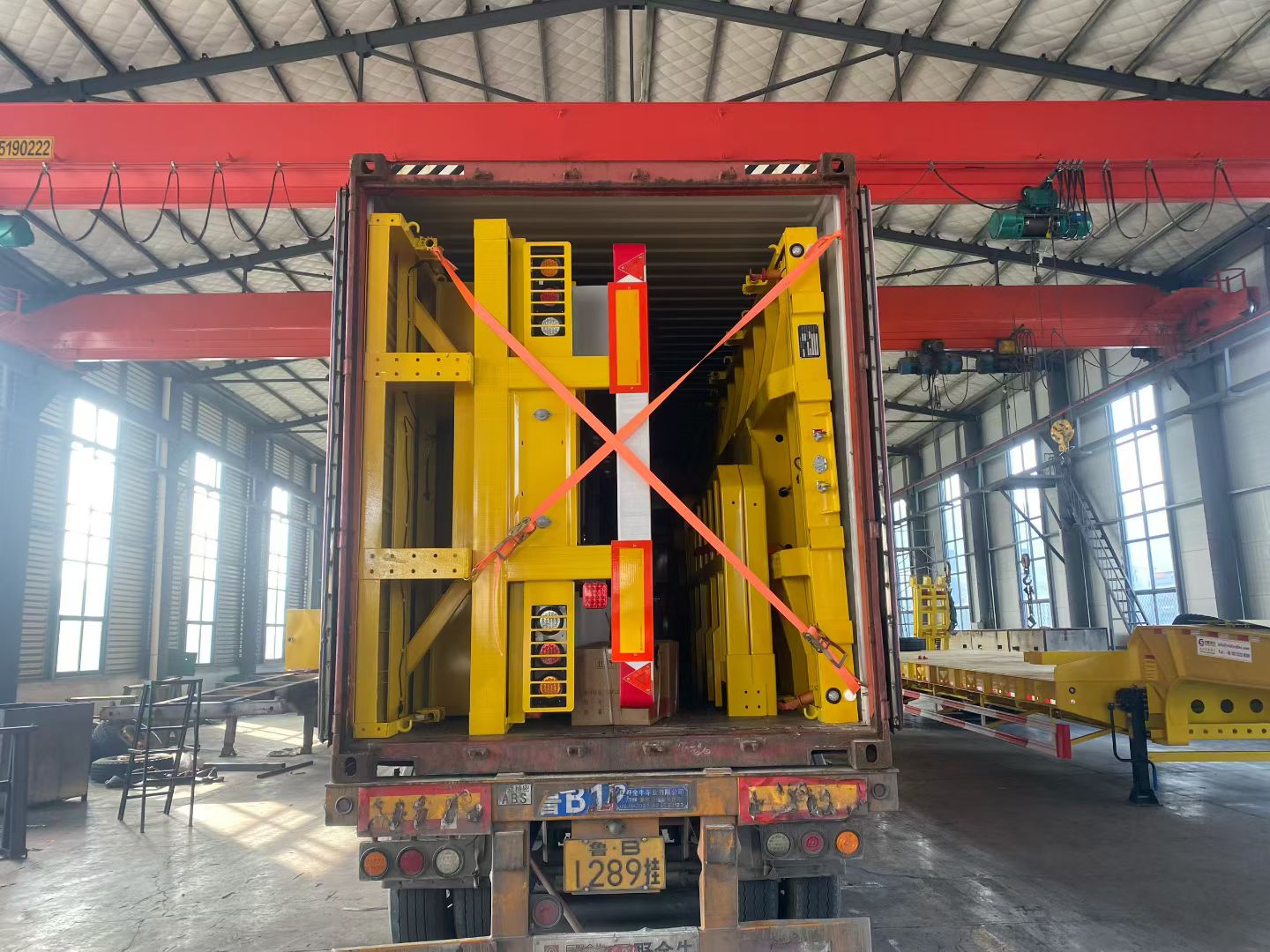
LUEN CKD Transport
Common Transportation Methods for Finished Trailers
International trailer shipments typically use one of three main methods, with CBU and CKD being the most prevalent in practice.
CBU (Completely Built Unit)

CBU trailer transportation involves shipping the trailer exactly as it comes off the production line—fully assembled and ready to operate.
Key characteristics include:
- The trailer arrives as a complete, operational unit
- Shipping typically uses RORO (Roll-on/Roll-off) vessels or break bulk carriers
- No local assembly work is necessary upon arrival
This CBU approach offers simplicity and speed, making it the preferred choice when local assembly facilities aren’t available or practical.
CKD (Completely Knocked Down)

CKD trailer transportation takes the opposite approach—the trailer is systematically disassembled before shipping.
The process involves:
- Separating major structural components into individual parts
- Packing all components efficiently into standard shipping containers
- Completing full assembly at the destination country
CKD trailer transportation has gained considerable traction in African markets because it significantly reduces freight costs while creating opportunities for local assembly operations.
SKD (Semi Knocked Down) (Optional)
SKD represents a middle ground between the two main methods.
In this approach:
- Some assemblies remain intact
- Other components are shipped separately
SKD is typically selected when partial assembly is feasible but shipping space remains a constraint.
What Is CKD Trailer Transportation?
CKD trailer transportation means your trailer arrives in carefully separated components rather than as one complete unit.
A typical CKD shipment will include:
- Main chassis frame sections
- Axle assemblies and suspension systems
- Landing legs and kingpin assemblies
- Brake systems and related accessories
It’s important to understand that this isn’t random disassembly. CKD is a deliberate, engineered industrial process where every component is designed for efficient reassembly.
The primary advantages of CKD include:
- Substantially lower shipping costs
- More efficient container space utilization
- Simplified import handling procedures
- Support for developing local assembly capabilities
Why CKD Is Popular in African Markets
Over recent years, CKD has emerged as an increasingly preferred trailer transportation method throughout Africa, and for good reasons.
Lower Transportation Cost
CKD dramatically improves how efficiently you can use container space.
Benefits include:
- Fitting more trailer units per container
- Eliminating oversize cargo surcharges
- Reducing inland transportation expenses
For long-distance international shipping, CKD can cut freight costs by a considerable margin.
Import Duty and Policy Considerations
Many countries treat CKD imports differently from CBU imports in their customs regulations.
Potential advantages include:
- Reduced import duty rates in certain jurisdictions
- Better alignment with local content development policies
- Smoother approval processes for industrial projects
While policies vary significantly from country to country, CKD often provides more favorable treatment and greater flexibility.
Suitable for Local Assembly and Dealers
CKD trailer transportation naturally supports:
- Local distribution networks
- Fleet owners who maintain their own workshops
- Business models built around assembly operations
Beyond the immediate cost savings, this approach helps build valuable local technical skills and fosters long-term business relationships.
Flexibility for Customization
With CKD, you retain the ability to make certain adjustments during the assembly phase:
- Modifying axle spacing to suit specific requirements
- Selecting alternative suspension configurations
- Adapting load distribution arrangements
This flexibility makes CKD particularly suitable for accommodating different road conditions and operational requirements across diverse African markets.
Limitations and Requirements of CKD Transportation
Despite its advantages, CKD isn’t the right choice for every buyer. It comes with specific requirements and limitations that must be carefully considered.
Local Assembly Capability Is Required
To successfully implement CKD, buyers must have access to:
- An appropriate assembly yard or workshop facility
- Adequate lifting equipment (cranes or forklifts)
- Basic tools, welding equipment, and reliable power supply
Without these fundamental resources in place, CBU remains the more practical option.
Higher Technical and Documentation Needs
CKD trailer transportation demands:
- Detailed assembly drawings and technical documentation
- Clear part identification and marking systems
- Comprehensive step-by-step assembly instructions
Having responsive technical support from your supplier becomes critically important in a CKD arrangement.
Quality Control Challenges
The quality of local assembly directly impacts trailer safety and longevity.
Critical factors include:
- Welding quality and structural integrity
- Proper bolt torque specifications
- Precise alignment and dimensional accuracy
Inadequate assembly standards can significantly reduce trailer service life and compromise safety.
Longer Overall Delivery Time
Compared with CBU, CKD typically extends the total timeline:
- Factory disassembly and preparation
- Packing, documentation, and container loading
- Local assembly operations after arrival
For time-sensitive projects where trailers are needed urgently, this makes CKD less attractive.
Not All Trailer Types Are Suitable for CKD
CKD works most effectively for simpler trailer designs:
- Flatbed trailers
- Skeletal container chassis
- Lowbed trailers
More complex, highly integrated trailer types may present significant challenges or prove impractical for CKD transportation.
CBU vs CKD: Key Differences at a Glance
CBU Trailer Transportation advantages:
- Faster overall delivery timeline
- No local assembly requirements
- Simpler logistics and documentation
CBU considerations:
- Higher freight costs
- Limited flexibility after arrival
CKD Trailer Transportation advantages:
- Substantially lower shipping costs
- More flexible import treatment options
- Opportunities for local customization
CKD considerations:
- Requires assembly capabilities
- Needs technical support infrastructure
- Extended total delivery time
Each method serves different buyer needs and circumstances.
How to Choose the Right Transportation Method
Before deciding between CBU or CKD, carefully evaluate these factors:
- Your project timeline and urgency
- Available local labor skills and equipment
- Specific import regulations in your country
- Budget constraints and long-term business planning
- Trailer type and intended application
There’s no universally “best” option. The right choice depends entirely on your specific circumstances and capabilities.
Supplier Support for CKD Trailer Projects
A reliable, experienced supplier should provide comprehensive support for CKD projects:
- Professional CKD engineering design services
- Optimized packing and container utilization planning
- Complete assembly drawings and instruction manuals
- Ongoing technical guidance during installation
- Demonstrated experience in African markets
The level of supplier support often determines whether a CKD project succeeds or encounters serious difficulties.
Real-World Example: CKD Success in Saudi Arabia
A practical example illustrates how effective CKD trailer transportation can be when conditions align properly.
We recently completed a successful heavy-duty dump semi-trailer project with a client in Saudi Arabia using the CKD method. This customer operates their own manufacturing facility with full assembly capabilities, making them an ideal candidate for CKD trailer transportation.
By choosing CKD over CBU, the customer achieved:
- Significant reduction in international freight costs
- Efficient container utilization for the heavy-duty dump trailers
- Seamless integration with their existing assembly operations
- Full control over the final assembly quality standards
The project succeeded because the essential elements were in place: the customer had proper facilities, skilled technicians, adequate equipment, and our team provided comprehensive technical documentation and support throughout the assembly process.
This case demonstrates that when buyers possess the necessary infrastructure and technical capability, CKD trailer transportation delivers substantial cost savings without compromising quality or timelines.
Conclusion
Your choice of trailer transportation method has direct, measurable impacts on total cost, delivery schedule, and operational success.
CBU offers simplicity and speed for buyers who value convenience and faster deployment.
CKD provides flexibility and cost-effectiveness for buyers with the necessary infrastructure and technical capabilities.
Understanding the practical differences between CBU vs CKD trailer transportation helps you avoid costly mistakes and plan more effectively for your fleet needs.
Ultimately, choosing the right method means finding the optimal balance between cost, capability, and convenience for your specific situation.