English
 Spanish
 French
Common Problems and Repairs of Reefer Trailers
Semi truck operators who rely on reefer trailers understand how critical these specialized units are for their business. These refrigerated trailers transport temperature-sensitive goods like food and medicines across long distances, and keeping them in proper working condition isn’t just important—it’s essential to protecting valuable cargo from spoiling.
Whether you’re considering purchasing a reefer trailer or already own one, understanding the most common issues and their solutions can save you time, money, and headaches. This guide walks you through the typical problems you might encounter with reefer trailers and explains how reefer trailer repair can keep your refrigerated trailer running smoothly and reliably.

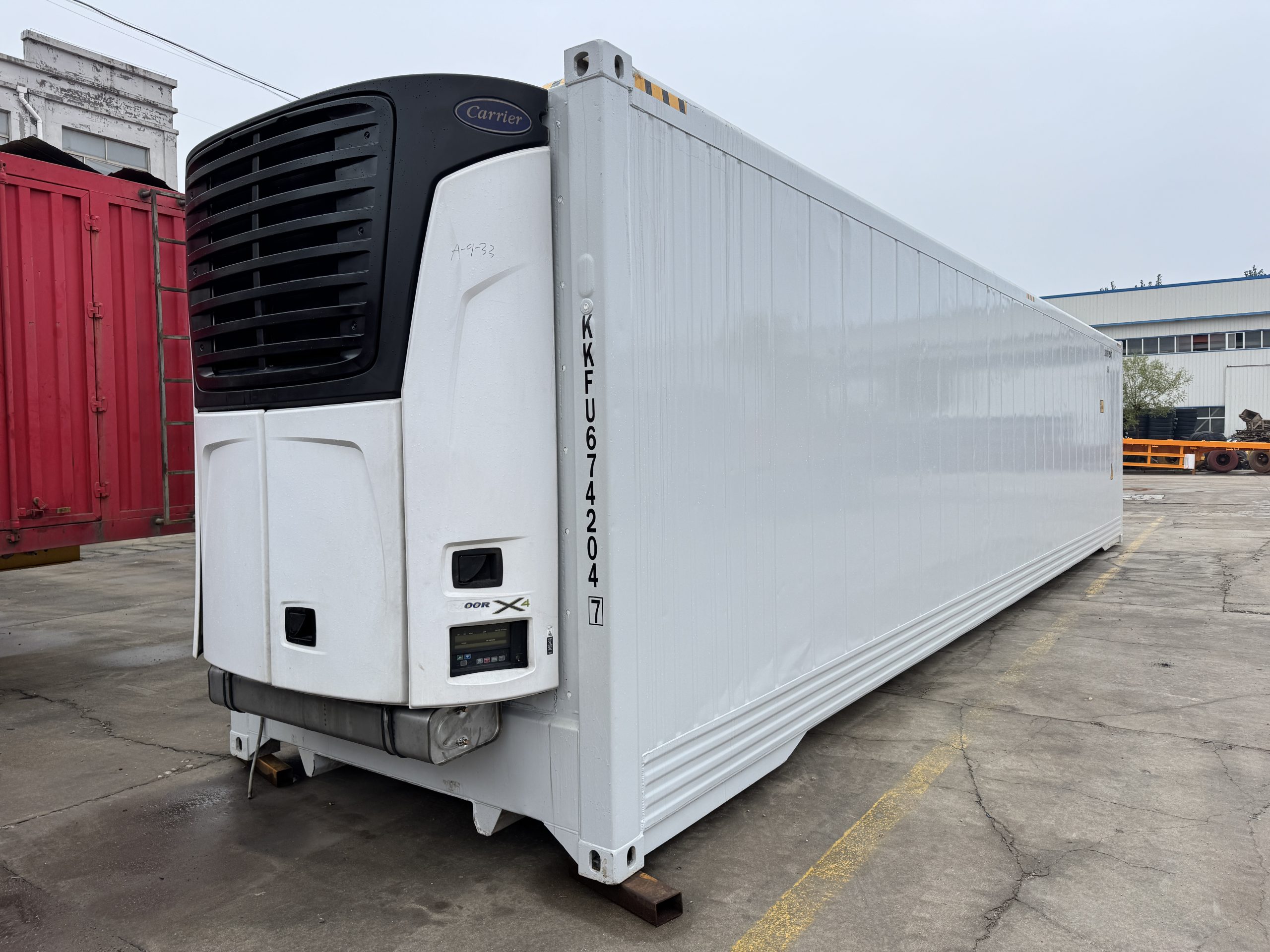
LUEN Reefer Trailer For Sale
Fluid Leaks in Refrigeration System
The refrigeration system inside a reefer trailer operates on a sealed circuit, much like a household refrigerator but far more heavy-duty. This system depends on refrigerant fluid that serves two purposes: removing heat from the trailer interior and lubricating mechanical components like the compressor. When leaks develop in the refrigerant lines or connection hoses, they’re more than just a nuisance—they directly reduce the trailer’s cooling capacity and can cause serious damage to expensive parts.
The most common leak points include the equalizer tubes that maintain refrigerant balance in the compressor, as well as the various hoses and connection points throughout the sealed system. Detecting these leaks quickly is crucial, and many operators use UV dye mixed with the refrigerant or specialized leak detection equipment to spot problems early. Once a leak is located, repairs typically involve replacing the damaged hoses or sealing the leak points, followed by recharging the system with the correct amount of refrigerant. Getting ahead of these issues through regular inspections helps prevent more costly problems down the road.
Air Leaks Affecting Thermal Integrity
While refrigerant leaks affect the sealed cooling system, air leaks are a different but equally important concern. A reefer trailer needs to maintain an airtight environment to hold stable temperatures with minimal thermal loss. Every bit of cold air that escapes means warm air enters to replace it, forcing the refrigeration unit to work harder and consume more fuel.
The most frequent culprits for air leaks are worn door seals, deteriorating gaskets around hinges, and compromised seals near air chutes or vent openings. Over time, exposure to temperature extremes causes these rubber and synthetic seals to crack, shrink, or lose flexibility. Make it a habit to inspect all seals regularly, checking for visible damage or gaps. When you find problems, address them quickly with proper refrigerated trailer repair products. Replacing a worn seal is inexpensive compared to the fuel waste and potential cargo loss from an inefficient system.
Compressor and Essential Parts
Think of the compressor as the heart of your reefer unit—it’s what keeps everything running. This component compresses refrigerant gas and circulates it through the entire cooling system, and when it fails, your trailer loses its ability to maintain proper temperatures. The compressor is driven by a small diesel engine and works constantly under demanding conditions.
Compressor problems range from worn internal components to complete mechanical failure. When issues arise, you generally have two options: rebuilding the existing unit or replacing it entirely. Not all compressor models can be rebuilt, and in many situations, replacement is the more practical solution. Investing in high-quality reefer compressor and parts during repairs pays dividends in longevity and reliability. Don’t wait for a complete breakdown—timely reefer unit repair on compressors prevents the kind of roadside failures that lead to spoiled cargo and missed deadlines.
Condenser and Evaporator Issues
After the compressor does its job, the condenser takes over by removing remaining heat from the refrigerant. It functions similarly to a vehicle’s radiator, acting as a heat exchanger that dissipates warmth into the outside air. Inside the trailer, the evaporator handles the opposite task—it transfers heat from the cargo area into the refrigerant, causing the liquid to expand into gas while cooling coils blow cold air throughout the space.
Both components can develop problems that reduce system efficiency. Dirty or damaged coils on either the condenser or evaporator force the system to work harder for less cooling. Watch for warning signs like frost accumulation inside the trailer or unusual heat buildup around the external unit. When these parts fail, cleaning usually isn’t enough—replacement is typically necessary. Proper refrigerated trailer repair includes regular servicing of these coils to maintain optimal temperature control and energy efficiency.

LUEN Reefer Trailer
Sensor and Calibration Problems
Modern reefer trailers rely on temperature sensors and calibrators to regulate when the refrigeration unit cycles on and off. These sensors are your eyes and ears, constantly monitoring conditions and triggering alerts when something goes wrong. When sensors provide incorrect readings or drift out of calibration, the consequences can be serious—cargo might sit in temperatures that are too warm or too cold without anyone knowing until it’s too late.
Faulty sensors won’t just risk your current load; they can damage your reputation with clients who trust you to deliver their goods in perfect condition. Regular sensor testing and calibration should be part of your reefer trailer repair routine. Professional shops have the proper diagnostic tools to verify sensor accuracy and recalibrate them to manufacturer specifications. This keeps your temperature monitoring reliable and ensures alarms trigger at the right times.
Bulkhead Operation and Airflow Management
Bulkheads serve an important role in reefer trailers—they create separate temperature zones within the same trailer or help secure and organize cargo loads. These barriers need to allow proper airflow while maintaining thermal separation between different sections. When bulkheads get damaged or don’t fit correctly, they disrupt the carefully designed airflow patterns that keep temperatures consistent throughout the trailer.
Problems with bulkheads can lead to hot spots or cold spots, meaning some cargo stays properly cooled while other sections don’t. Having bulkheads professionally inspected ensures they’re functioning as designed and that your cargo meets temperature-regulation requirements. In severe cases, complete bulkhead replacement might be necessary. Don’t overlook refrigerated trailer floor repair either—damaged floors can affect how bulkheads fit and compromise the entire temperature management system.
Additional Mechanical and Electrical Issues
Beyond the major refrigeration components, reefer trailers depend on various mechanical and electrical parts that wear out from constant use and harsh operating environments. Drive belts connect the diesel engine to the compressor, and these can crack, fray, or slip when they age. Hoses carrying refrigerant or hydraulic fluid can develop leaks. Electrical relays, sensors, and wiring connections can fail from vibration, moisture, or simple age.
These smaller components might seem minor, but their failure can shut down your entire reefer unit. Make regular inspections part of your routine—look for belts showing signs of wear, hoses that feel brittle or show cracks, and electrical connections that appear corroded or loose. Catching and replacing these parts before they fail is far easier than dealing with a breakdown on the road. Electrical faults in particular can be tricky to diagnose, so don’t hesitate to get professional help when warning lights appear or the system behaves unpredictably.
Maintenance and Troubleshooting Best Practices
The most effective way to avoid reefer trailer problems is staying ahead of them with consistent, regular maintenance. Each refrigeration unit manufacturer provides specific guidelines for service intervals, but here are some general best practices that apply to most operations:
Regular Professional Inspections: Most drivers who use their reefer trailers frequently should schedule professional service checks approximately every 90 days. If you’re running loads through hot summer months or operating the unit constantly, increase that frequency. These inspections catch developing problems before they become emergencies.
Pre-Trip Inspection Checklist: Before every trip, take time to perform your own visual inspection. Check all belts, hoses, and seals for signs of drying, cracking, or excessive wear. Look around the refrigeration unit for any visible leaks—puddles, stains, or oily residue. Verify that the door closes tightly, seals completely, and locks securely. Make sure the monitoring displays show accurate temperature readings for your cargo. Confirm that alarm systems are properly set to alert you before temperatures reach critical levels.
Understanding Alert Codes: Familiarize yourself with your specific reefer unit’s alert system and what different codes mean. Modern systems generate specific error codes indicating problems with belts, battery systems, pressure levels, or sensor failures. Knowing how to read and interpret these alerts helps you provide accurate information to repair technicians and can sometimes help you troubleshoot minor issues on your own.
Leak Detection Tools: Keep a UV leak detection kit onboard your truck. These inexpensive kits can help you quickly identify the presence and location of refrigerant leaks in the sealed system, potentially saving hours of diagnostic time when problems arise.
Floor Condition: Don’t forget to regularly examine your refrigerated trailer floor for cracks, corrosion, or soft spots. The floor contributes to the trailer’s overall thermal integrity and structural stability. Addressing refrigerated trailer floor repair needs promptly prevents larger structural issues.
Conclusion: Ensuring Reliable Reefer Trailer Operation
Your reefer trailer represents a significant investment in your transportation business, and the cargo it carries often represents an even larger investment for your clients. Regular and thorough reefer trailer repair protects both. Focus your attention on preventing fluid and air leaks, maintaining compressor health, and ensuring sensor accuracy—these are the foundations of reliable operation.
Partnering with experienced refrigerated trailer repair professionals gives you access to expertise and diagnostic equipment that goes beyond what most operators can handle themselves. These relationships prevent unexpected breakdowns and the costly delays that come with them. If you’re considering purchasing a used reefer trailer, invest in a comprehensive pre-purchase inspection of all components—discovering hidden repair needs after you’ve signed the paperwork is an expensive lesson nobody wants to learn.
With proper attention and maintenance, your reefer unit will be ready to perform reliably whenever you need it, keeping your cargo safe and your clients satisfied.
Choose LUEN Reefer Trailers for Reliable Performance
When you’re ready to invest in a new reefer trailer, quality construction and proven reliability matter. LUEN reefer trailers are built with the serious operator in mind, incorporating robust refrigeration systems and durable components designed to minimize the common problems discussed in this guide. Our trailers feature high-quality reefer compressor and parts, reinforced door seals to prevent air leaks, and well-engineered floor construction that stands up to demanding use.
Whether you need a single unit or are expanding your fleet, LUEN offers reefer trailers that deliver consistent temperature control and long-term dependability. We understand that your business depends on getting temperature-sensitive cargo to its destination in perfect condition, and our trailers are designed to help you do exactly that. Contact LUEN today to learn more about our refrigerated trailer solutions and find the right model for your transportation needs.
Also Read: