English
 Spanish
 French

A Complete Guide to Farm Trailers: Types, Uses, and Maintenance
Agricultural trailers, also known as farm trailers or agricultural trailers, are essential tools for modern farming. They help transport machinery, crops, livestock, and materials efficiently across farms and to markets. Understanding the different types of trailers and how to choose and maintain them can greatly improve farm productivity and safety. This comprehensive guide covers everything you need to know about farm trailers, including the popular farm tractor trailer types, their uses, benefits, and maintenance tips to keep your operation running smoothly.
Introduction: Why Agricultural Trailers Matter
A farm trailer is more than just a piece of equipment—it’s a vital workhorse that helps farmers move heavy loads such as harvested crops, livestock, and farm machinery from point A to point B. Whether you’re running a small family farm or managing a large agricultural operation, having the right agricultural trailer can be a real game-changer. It saves you time, cuts down on back-breaking labor, and boosts overall efficiency in ways you might not expect.
These trailers come in many types, and each one is designed with specific tasks in mind. This versatility makes them incredibly valuable tools for virtually any farm operation you can think of.
Key Features and Benefits of Farm Trailers
When you’re looking at farm trailers, there are several standout features that make them worth the investment:
Durability and Strength: Most farm trailers are built tough—we’re talking steel or aluminum construction that can take a beating from heavy loads and rough farm conditions day in and day out.
Load Capacity: Today’s modern trailers can handle substantial quantities of goods, which means fewer trips back and forth. This is particularly true for farm tractor trailers, which are specifically engineered to handle heavy machinery and bulk products without breaking a sweat.
Versatility: From hauling grain to transporting livestock, agricultural trailers come in various designs to suit just about any farm need you might have. It’s like having multiple specialized tools rolled into one.
Improved Productivity: Using the right trailer cuts down on manual labor significantly and speeds up transportation, which frees farmers up to focus on other important tasks around the farm.
Safety Features: Many trailers include helpful features like hydraulic lifts, sturdy ramps, and secure tie-down points to ensure safe loading and unloading operations.
Types of Agricultural Trailers and Their Uses
1. Combine Trailers
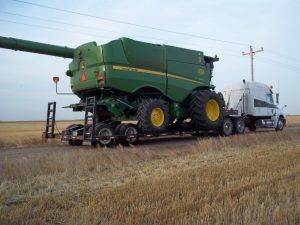
These specialized trailers are built specifically to transport large combine harvesters safely from field to field. They feature low beds and heavy-duty ramps that make loading and unloading much easier than you’d expect. Since combines are incredibly heavy machines, you’ll need a strong farm tractor trailer to handle the towing job properly.
2. Flatbed Trailers

Flatbed trailers are probably what most people picture when they think of farm trailers. They have a completely flat deck with no sides, which makes them perfect for carrying heavy machinery like tractors, plows, and tillers. Their open design allows for quick loading and unloading, making them one of the most popular farm trailers you’ll find on operations everywhere.
3. Dump Trailers
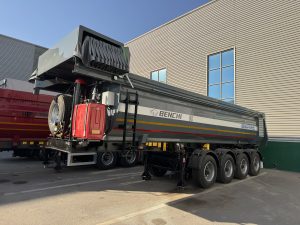
Dump trailers are workhorses designed to carry loose materials such as soil, gravel, or animal feed, with a capacity of up to several tonnes. What makes them special is their single cylinder hydraulic systems that allow the trailer bed and chassis to tilt at just the right angle, making unloading fast and efficient, even on uneven terrain. These trailers, including the 8 Ton Timber Trailer, are absolutely essential when you need to move bulk materials around the farm regularly with a length typically around 150 cm.
4. Grain Trailers
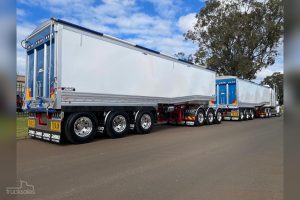
These trailers are specialists when it comes to transporting bulk grains like wheat, corn, and soybeans. They feature large containers with cleverly designed sloped floors or unloading augers that make the job much easier. This smart design helps farmers quickly move harvested crops from fields to storage facilities or directly to market.
5. Bale Trailers
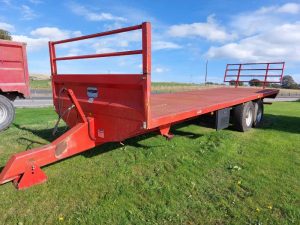
Used primarily for transporting hay or straw bales, these trailers often come equipped with side rails or protective cages to keep the bales secure during transit. Bale trailers are absolutely crucial for farms that raise livestock or specialize in hay production.
6. Livestock Trailers
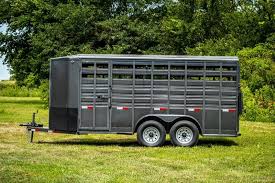
Livestock trailers are thoughtfully equipped with partitions, proper ventilation systems, and sometimes even feeding systems to safely transport animals such as cattle, horses, and sheep. These trailers are designed with animal welfare in mind, ensuring comfortable transport conditions.
7. Tank Trailers

Tank trailers are the go-to choice for carrying liquids such as water, fertilizers, pesticides, or milk. They’re essential for irrigation systems, crop spraying operations, and transporting liquid farm products to processing facilities.
8. Utility Trailers
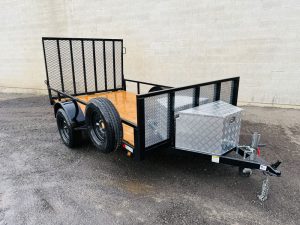
Utility trailers are the Swiss Army knives of farm trailers—they’re multi-purpose and can be used to transport tools, fencing materials, or smaller pieces of equipment. Their flexibility makes them incredibly valuable for everyday farm tasks that pop up unexpectedly.
Choosing the Right Farm Trailer
When you’re in the market for a farm trailer or agricultural trailer, there are several important factors you’ll want to consider carefully, including the recommended power for towing, the payload capacity, and the number of axles.
Load Capacity: You’ll need to match the trailer size and strength to the weight and volume of your typical loads. It’s better to have a little extra capacity than to be constantly pushing the limits.
Compatibility: Make sure the trailer works well with your towing vehicle, especially if you’re planning to use a farm tractor trailer setup with the correct axle specifications.
Durability: Look for trailers that feature strong frames and quality materials that can stand up to the rough farm environments they’ll encounter.
Safety Features: Features like hydraulic lifts, well-designed ramps, and secure tie-down points not only improve safety but also make your life easier during loading and unloading.
Maintenance and Warranty: Choose trailers from reputable dealers who offer solid after-sales service and comprehensive warranties. You’ll appreciate this support when you need it most.
Maintenance Tips for Agricultural Trailers
Proper maintenance is what keeps your farm trailers safe and extends their useful lifespan significantly:
Regular Tire Checks: Make it a habit to inspect tire pressure and tread depth frequently. Worn or under-inflated tires are accidents waiting to happen, and they’re easily preventable.
Lubrication: Keep wheel bearings and moving parts properly greased on a regular schedule. This simple step prevents premature wear and keeps everything running smoothly.
Hydraulic System Care: Keep an eye out for leaks, never attempt servicing under pressure, and protect cylinder rods from rust and corrosion.
Cleanliness: It might seem obvious, but keeping the trailer clean and free from accumulated dirt and debris goes a long way toward preventing corrosion.
Safety Inspections: Make regular checks of brakes, lights, and overall structural integrity part of your routine.
Load Security: Always use proper straps and tie-downs to secure loads safely during transport. This protects both your cargo and other drivers on the road.
Following these straightforward maintenance tips ensures your trailer remains reliable and safe for all your farm operations.
Benefits of Using Farm Trailers
The benefits of using quality farm trailers extend far beyond simple transportation:
Increased Efficiency: Trailers dramatically reduce the time and effort needed for transporting goods and equipment around your operation.
Cost Savings: Fewer trips mean less fuel consumption and reduced wear and tear on your machinery over time.
Flexibility: Different trailer types allow farmers to adapt quickly to various tasks and different types of loads.
Reduced Crop Loss: Timely transport of crops minimizes damage and reduces exposure to unpredictable weather conditions.
Safe Livestock Transport: Specialized trailers reduce stress and injury risks for animals during transport.
Safety Considerations
Safety should always be your top priority when using farm trailers:
Always ensure your trailer has a proper registration plate as required by local and state laws.
Use trailers equipped with ABS (Anti-lock Braking System) and make checking electrical connections a regular part of your routine.
Consider installing reversing cameras for better visibility, especially when working with larger trailers.
Take the time to train operators on safe loading, unloading, and driving practices. This investment pays dividends in preventing accidents.
Always follow local road safety regulations when transporting goods on public roads.
Where to Buy Agricultural Trailers
Reputable dealers like LUEN Trailer and other established companies offer a wide range of both new and used farm trailers and farm tractor trailers. When you’re ready to buy, don’t hesitate to seek expert advice to select the best trailer for your specific farm needs and budget constraints. Look for dealers who provide excellent after-sales support and helpful maintenance guidance—you’ll appreciate having that resource available.
Conclusion
Farm trailers and durable agricultural trailers for silage are truly indispensable for any serious farming operation. Choosing the right trailer type—whether it’s a flatbed, grain, livestock, or tank trailer—can significantly improve your farm’s efficiency, safety, and overall productivity. Regular maintenance and proper use ensure these valuable trailers serve you well for many years to come. Make a wise investment in your trailers to support your farm’s continued growth and long-term success.