English
 Spanish
 French

Dry Van Truck vs Box Truck: What You Need to Know
What is a Dry Van Truck?

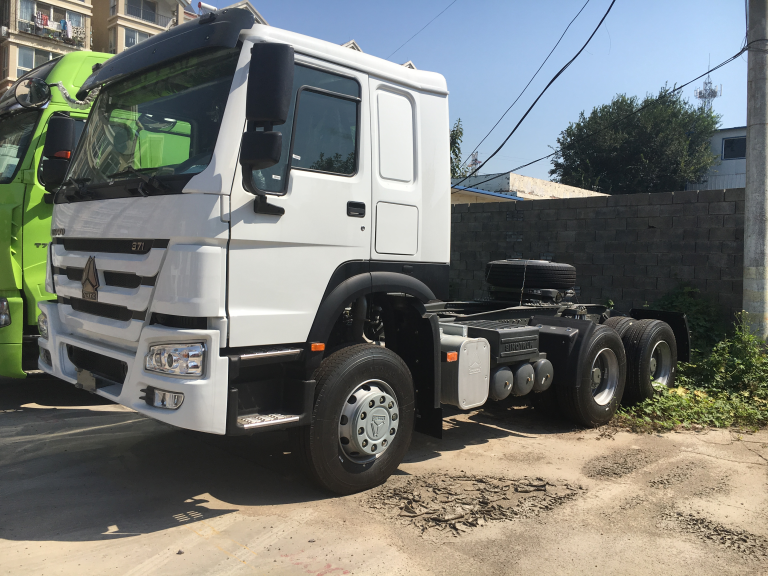
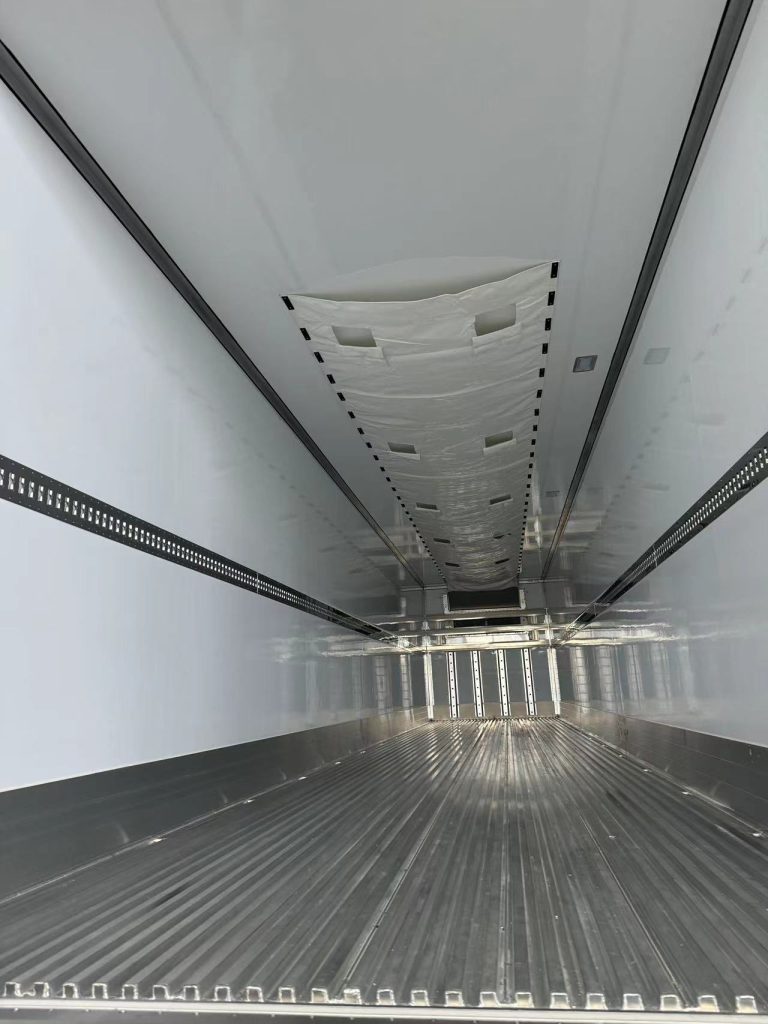
A dry van truck (also called dry vans,dry van or dryvan) is essentially our most popular semi-trailer design featuring a fully enclosed cargo area. In fact, these trailers typically range between 48 and 53 feet long and require a separate tractor to pull them, creating what we call a truck and trailer combination(semi truck).
From our manufacturing experience, dry vans are specifically engineered to transport various types of goods, including construction materials, that need protection from harsh weather conditions or potential damage during transit. You’ll commonly see them carrying:
- Palletized retail products
- Electronics and sensitive equipment
- Furniture and home goods
- Packaged food items
What makes dry van trucking so appealing to our customers is the impressive capacity. A standard dry van offers approximately 3,500 cubic feet of space and can safely carry loads up to 45,000 pounds. This high capacity is exactly why dry van trucking remains ideal for transporting full truck loads over medium to long distances.
Related:Understanding Dry Vans: The Essential Guide to Dry Van Trucks and Trailers
What is a Box Truck?

Now, a box truck – sometimes called a straight truck or van truck – is quite different from what we manufacture. Actually, box trucks combine the cab and cargo area on the same chassis, making them a single-unit vehicle. Box trucks are generally much smaller, with lengths ranging from 16 to 26 feet.
The cargo box is fully enclosed, similar to our dry van design, making it suitable for protecting freight during transit. However, the scale is completely different. A typical box truck offers around 1,600 to 1,800 cubic feet of cargo volume and a payload capacity between 10,000 and 12,000 pounds.
You’ll often see box trucks used for local deliveries, last-mile distribution, and moving smaller loads efficiently in areas where maneuverability becomes a priority.
Dry Van vs Box Truck: Key Differences
Let us break down the main differences you need to consider:
| Feature | Dry Van Truck | Box Truck |
|---|---|---|
| Size | 48–53 feet semi-trailer | 16–26 feet single-unit truck |
| Cargo Volume | ~3,500 cubic feet | ~1,600–1,800 cubic feet |
| Payload Capacity | Up to 45,000 lbs | About 10,000–12,000 lbs |
| Structure | Trailer pulled by separate tractor | Cargo box and cab on the same chassis |
| Usage | Medium to long distance hauls | Local deliveries and short hauls |
| Licensing | CDL usually required | May be driven without CDL if under limits |
| Maneuverability | Less agile in tight areas | Highly maneuverable for urban routes |
When to Choose a Dry Van Truck?
If your operation involves moving large shipments that require weather protection, a dry van truck is typically your best choice. From our experience working with logistics companies, dry vans are perfectly suited for transporting full truck loads of goods efficiently and securely over longer distances.
For example, imagine you’re a manufacturer shipping large quantities of products to distribution centers across different states. You’d probably rely on dry van trucking for both capacity and reliability.
However, keep in mind that due to their size and weight, dry van trucks generally require a commercial driver’s license (CDL) and will consume more fuel compared to smaller trucks.
When to Use a Box Truck?
Box trucks are ideal when you’re dealing with smaller shipments and deliveries that need to be made in tighter spaces. Their smaller size and integrated design allow much better maneuverability, which becomes really useful in areas with narrow streets or limited parking.
Actually, many businesses choose box trucks for local deliveries, last-mile logistics, and service transport. In addition, box trucks are often easier to operate because some models don’t require a CDL, which opens up more flexibility for your drivers.
Practical Examples
Let’s look at some real-world scenarios:
- Shipping a large volume of packaged consumer goods over several hundred miles? That’s definitely best handled by a dry van truck.
- Delivering furniture or appliances to multiple addresses within a city? You’d probably want to use a box truck for that job.
Both trucks provide dry, enclosed cargo space, but they differ significantly in size, capacity, and use case.
Frequently Asked Questions
Q: What’s a dry van?
A dry van is a large semi-trailer truck with an enclosed cargo area used mainly for long-distance freight carrying.
Q: What is a box truck?
A box truck is a smaller truck with cargo space attached directly to the same chassis as the cab, typically used for shorter, local routes.
Q: Do I need a CDL to drive these trucks?
Typically, driving dry van trucks requires a CDL due to their size and weight. Many box trucks can be operated without a CDL if they meet weight and use regulations.
Q: Are box trucks considered dry vans?
Box trucks are sometimes informally called dry vans, but technically dry vans are large trailer trucks, while box trucks are smaller, single-unit vehicles.
Q: Whats a dry van used for?
Dry vans are used for transporting non-refrigerated goods that need protection from weather over medium to long distances.
Q: What is dry van trucking exactly?
Dry van trucking refers to the transportation of goods using these large, enclosed semi-trailers for freight hauling.
Understanding these differences helps us as manufacturers build the right trailers and trucks tailored to our customers’ specific needs. Whether you’re moving large-scale freight or handling smaller deliveries, dry vans and box trucks fill complementary roles in the logistics industry. If you want to learn more about dry van truck, we also have information on Dry Van vs Flatbed,Dry Van vs Reefer Trailer,Maximum Cargo Weight and Specifications for 53′ Dry Van Trailers, and a guide on How Many Pallets Fit in a 53 Foot Trailer?