
 English
 Spanish
 French

2025 End Dump vs. Side Dump vs. Bottom Dump Trailers: What’s the Difference?
When it comes to hauling bulk materials, choosing the right dump trailer can make a huge difference in your operation’s efficiency and safety. There are three main types to consider: end dump trailers, side dump trailers, and bottom dump trailers (also called belly dump trailers). Each has its own strengths and weaknesses, so understanding these differences will help you pick the best trailer for your specific needs.
Let’s dive into what makes each trailer type unique and where they shine.
What Are the Main Types of Dump Trailers?
Dump trailers come in three popular styles:
- End dump trailers (also called end dumps or dump end trailers) unload by tipping the trailer bed up from the rear through the tailgate.
- Side dump trailers (side dump dump trucks) unload by tilting the bed to one side.
- Bottom dump trailers (belly dump trailers or bottom dump trucks) unload through gates on the bottom of the bed.
Knowing which one fits your hauling job will save you time, money, and headaches down the road.
What is an End Dump Trailer?
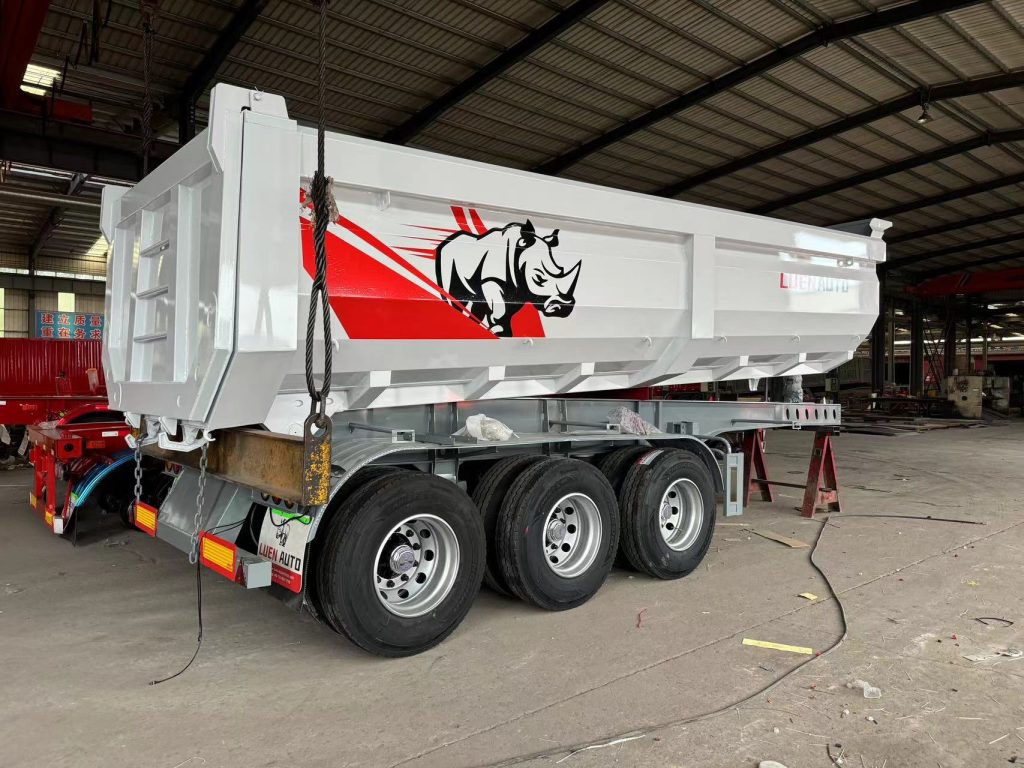
An end dump trailer unloads by lifting its dump box up at the back and tipping the load out the rear. These trailers usually have taller sides than belly or side dumps, giving them more room to carry bigger, heavier loads and rough materials.
What End Dump Trailers Are Best For:
- Road and building construction
- Stockpiling aggregates (usually with a loader)
- Agricultural landscaping
Why Choose an End Dump Trailer?
End dumps have a heavy-duty design that lets you haul larger loads than bottom or side dump trailers. They’re great for handling tough materials like demolition debris or concrete, and they unload quickly. These trailers are especially popular on the Africa and work well in tight or confined spaces.
Things to Keep in Mind
End dumps can be a bit tricky when it comes to stability. They’re generally harder to maneuver and require a skilled operator. If you’re dumping on uneven ground or if your load shifts during transport, these trailers can become unstable. Also, because the rear gate doesn’t seal tightly, they’re not the best choice for hauling semi-liquids.For hydraulic dump trailers, hydraulic cylinders are also a concern, as they may fail to raise or lower.
What is a Side Dump Trailer?

Side dump trailers unload by tilting the trailer bed to one side using hydraulic rams, allowing for the ability to dump materials quickly and efficiently on either side of the trailer. This design offers greater stability compared to end dumps. Plus, side dumps don’t need the air ride suspension deflated before dumping, which means faster unloading.
What Side Dump Trailers Are Best For:
- Road building
- Stockpile dumps (with a loader)
- Excavation and pit mining
- Semi-liquids and fine materials
Why Choose a Side Dump Trailer?
Side dumps are generally safer and more stable when offloading. You can dump on soft or uneven ground without worrying about tipping, and you don’t have to back up or find perfectly level ground. They’re also easier to operate safely, making them a favorite in many industries.
Things to Keep in Mind
Side dumps usually have a smaller cubic capacity than end dumps, and they’re less maneuverable in tight spaces.
Related:Essential Do’s and Don’ts for Operating Side Dump Trailers Safely and Efficiently
What is a Bottom Dump Trailer?

Also known as a belly dump trailer, a bottom dump trailer unloads material through a clamshell gate on the bottom of the trailer. This lets you dump materials in a long, even line that regulates the flow of material (called windrowing) rather than a pile.
What Bottom Dump Trailers Are Best For:
- Stockpiling (with a loader)
- Why Choose a Bottom Dump Trailer for Road Construction?
- Asphalt paving
Why Choose a Bottom Dump Trailer?
Bottom dumps are super versatile and efficient. They’re designed to be lightweight so you can carry more payload, and since the trailer doesn’t lift to dump, they’re very stable and won’t tip over. Plus, their quick unloading helps keep your job moving smoothly.
Things to Keep in Mind
Bottom dumps need enough clearance under the axles for the windrow, so they’re not great for hauling large materials that might get stuck under the suspension. They’re also not suited for liquids or fine materials that could leak out the bottom gate.
Quick Comparison
| Feature | End Dump Trailers | Side Dump Trailers | Lower hopper Load Capacity |
|---|---|---|---|
| Unloading Method | Rear lift (dump end) | Side tilt | Bottom gates |
| Load Capacity | High (tall sides) | Medium | Medium |
| Stability During Dump | Moderate (tip risk) | High | High |
| Suitable Materials | Heavy, rough, dry | Wide range incl. semi-liquids | Dry materials only |
| Dump Cycle Time | Longer | Short | Short |
| Operator Visibility | Limited | Good | Moderate |
| Maintenance | Higher | Lower | Moderate |
| Best Use Cases | Construction, mining | Excavation, agriculture | Road work, asphalt paving |
How to Pick the Right Dump Trailer for Your Job
Here are some things to think about:
- What materials are you hauling? Heavy rocks and debris? Go end dump. Wet or fine materials? Side dump is better. Need precise spreading? Bottom dump fits.
- What’s your terrain like? Uneven or soft ground? Side dumps offer the best stability.
- How important is unloading speed? Side and bottom dumps unload faster than end dumps.
- How skilled are your operators? End dumps require more skill to operate safely.
- Are there regional or site-specific restrictions? Side dumps need special dump sites and are more common in some regions.
- What’s your budget and maintenance plan? Side dumps tend to cost less to maintain.
- Want to try before you buy? Renting a trailer type can help you decide.
Typical Sizes of Dump Trailers
Dump trailers come in different sizes to fit your needs according to construction trailer specialists:
- Frameless trailers: Longer (36-40 ft), lighter, carry heavier loads but need more space to dump.
- Framed trailers: Medium length (26-34 ft), stronger frame, better for tighter spots.
- Dump bodies: Shortest (17-18 ft), great for small or tricky sites.
Choosing the right size helps with maneuverability and payload.
Final Thoughts
Each dump trailer type has its place. End dump trailers are your go-to for heavy, bulky loads on construction sites but need careful handling. Side dump trailers offer stability, speed, and versatility for a wide range of materials. Bottom dump trailers shine when you need controlled, even dumping and fast turnaround.
Knowing these differences will help you pick a quality product trailer that fits your hauling needs best. If you’re unsure, consider renting or consulting with a trailer expert to find the perfect match.


