English
 Spanish
 French

Essential Do’s and Don’ts for Operating Side Dump Trailers Safely and Efficiently
Introduction
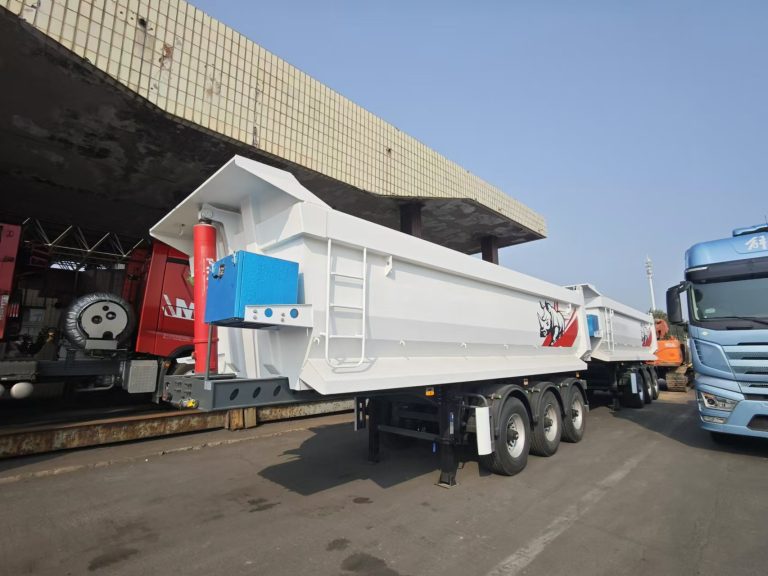
Side dump trailers represent a game-changing piece of equipment in the hauling and demolition industry. Unlike traditional end dump configurations, a side dump trailer with a side dump box tilts its tub laterally to discharge materials with remarkable efficiency and stability. You’ll find these workhorses dominating construction sites, agricultural operations, and transportation fleets where speed and safety matter most. Getting familiar with proper side dump trailer operation isn’t just about maximizing productivity—it’s about protecting your investment and keeping your crew safe. Drawing from real-world experiences and insights from leading side dump trailer manufacturers, this guide walks you through everything you need to know about operating these versatile machines.
Preparing for Side Dump Trailer Operation

Smart preparation sets the foundation for successful side dumping operations. Here’s what you need to tackle before you even think about hitting that dump switch:
Survey your dump site carefully: Walk the area and ensure the ground can handle the load. You don’t want any surprises when you’re committed to a dump cycle. Clear out any equipment, personnel, or debris that could interfere with your operation. Keep a sharp eye out for overhead hazards—power lines and low-hanging branches can turn a routine dump into a disaster.
Give your trailer a thorough inspection: Your side dump trailer deserves the same attention you’d give any piece of heavy equipment. Check those latches—they’re your lifeline during the dump process. Examine pivot points for wear or damage, and verify that your suspension system is properly charged. A well-maintained air suspension keeps your trailer rock-steady when it counts.
Double-check your connections: Take the time to properly couple your tractor and trailer. That fifth wheel connection needs to be solid, with both the locking lever and safety catch engaged. Run your hands along hydraulic and electrical lines, feeling for any nicks, cuts, or loose connections that could spell trouble down the road.
Handle that tarp with care: This might seem obvious, but you’d be surprised how many operators forget this crucial step. Remove your tarp completely before loading or dumping. A forgotten tarp can rip during the dump cycle or, worse yet, prevent your load from discharging properly, leaving you with a sticky situation.
How to Operate a Side Dump Trailer
Mastering side dump trailer operation comes down to following a proven sequence of steps. Here’s how the pros do it:
1. Coupling the Trailer
Back in slowly and deliberately: Use your lowest reverse gear and take your time. Rushing this step leads to misalignment and potential damage to your equipment.
Lock that kingpin tight: Make sure it’s seated properly in the fifth wheel. Both your locking lever and safety catch should click into place with authority.
Connect your lifelines: Hook up all hydraulic and electrical connections, then inspect each one for damage. These connections are what make your side dump trailer responsive to your commands.
Raise the landing gear completely: Don’t leave any part of it dragging—you’ll know when you hear that expensive scraping sound.
2. Setting the Dump Direction
Choose your dumping side wisely: Consider site conditions, traffic patterns, and material placement when deciding between curbside or roadside dumping.
Work those pivot latches: For dual-direction side dump trailers, unlock the latches on your dumping side and lock them on the opposite side. This step is non-negotiable for safe operation.
3. Filling the Trailer
Tarp removal is mandatory: Before any material touches your trailer bed, that tarp needs to be completely removed and properly stored.
Keep that suspension charged: Your air bags should remain fully inflated throughout the loading and dumping process. This isn’t the time to dump air pressure.
4. Dumping Procedure
Clear the area completely: Make a final sweep to ensure no personnel or equipment are in your dumping zone. This is your last chance to prevent accidents.
Stay in the cab: Modern side dump trailers are designed for in-cab operation. There’s no reason to exit your vehicle during the dump cycle, and doing so puts you at unnecessary risk.
Extend hydraulic cylinders smoothly: Once you commit to the dump, see it through to completion. Stopping mid-cycle can cause material to stick and create dangerous instability.
Let physics do the work: Allow your tub to reach its full tilt angle—typically 45 to 50 degrees—for complete material discharge.
Complete the cycle properly: After dumping, retract those cylinders fully, lock your pivot latches, and secure all lock pins. Taking shortcuts here can lead to serious problems during transport.
5. Post-Dump Checks
Disengage your PTO: Power take-off components can suffer damage if left engaged after the dump cycle. Turn it off and relieve hydraulic pressure by toggling your control switch.
Inspect before you move: Take a moment to check your trailer and controls. Catching problems early beats dealing with roadside breakdowns.
Do’s for Safe and Effective Side Dumping

Do operate from inside the cab: Your side dump trailer manufacturer designed these systems for in-cab operation. Stay put and stay safe.
Do maintain steady dumping speed: Consistency is key. Smooth, steady movement prevents tipping and ensures complete material discharge.
Do adjust your windrow speed: Control your ground speed to shape material piles according to your needs. Slower speeds build taller, wider piles while faster speeds create thinner windrows.
Do follow manufacturer guidelines: Your side dump trailer manufacturer knows their equipment best. Their maintenance schedules and operating procedures exist for good reasons.
Do secure latches before transport: After completing your dump cycle, verify that all latches are locked before moving your trailer. This simple check prevents catastrophic failures.
Don’ts to Avoid Damage and Accidents
Don’t dump on questionable ground: Uneven or unstable surfaces increase your risk of tipping or damaging your side dump trailer with aluminum wheels. When in doubt, find better ground.
Don’t forget about that tarp: Leaving your tarp on during dumping creates a host of problems, from torn tarps to incomplete dumps. Remove it every single time.
Don’t dump suspension air: Unlike other dump configurations, side dump trailers need full air pressure for stability. Keep those bags inflated.
Don’t stop mid-cycle: Once you start dumping, commit to finishing. Stopping halfway through can cause material to stick and your trailer to tip.
Don’t leave the cab during dumping: There’s nothing outside that cab that’s worth risking your safety. Stay at the controls until the job is done.
Don’t ignore safety clearances: Keep all personnel and vehicles well clear of your dumping zone. Establish a perimeter and stick to it.
Don’t rush coupling or uncoupling: Proper connections take time. Rushing leads to improper hookups and potential accidents.
Understanding the Mechanics of Side Dump Trailers
Side dump trailers rely on hydraulic cylinders to tilt the tub to precise angles, typically between 45 and 50 degrees. This engineering allows for rapid, efficient unloading that outperforms traditional end dump configurations. Many models feature dual or tri-axle setups that distribute load weight and enhance stability, ensuring durability even when working on challenging terrain. The hydraulic pressure during operation is critical, often reaching levels of 2500 PSI. The side dumping advantage becomes clear when you consider reduced unloading time and minimized material spillage. Advanced models from top side dump trailer manufacturers even offer cab-controlled direction switching, eliminating the need to exit the vehicle for setup changes.
Maintenance and Troubleshooting Tips
Keeping your side dump trailer in peak condition requires consistent attention to key maintenance areas:
Greasing is your friend: Regular lubrication of cylinders and kingpins extends component life significantly. Don’t forget S-cams and bushings on your axles—proper brake function depends on it. Keep an eye on hub caps for damage that could allow contaminants into bearings and grease.
Cleaning pays dividends: Regular washing, especially after working in muddy conditions, helps you spot problems early and prevents corrosion. A clean trailer is a well-maintained trailer.
Brake maintenance is non-negotiable: Replace brake components as needed. Squealing or grinding sounds mean immediate attention is required—don’t gamble with safety.
Tire care matters: Monitor tire pressure, tread depth, and watch for punctures or irregular wear. Replace both tires on an axle simultaneously to maintain balance.
Daily inspections save headaches: Check lights, grease fifth wheels, monitor hub oil levels, and inspect for loose lug nuts or damaged air lines. Fifteen minutes of daily inspection beats hours of roadside repairs.
Address issues promptly: Fix leaks and mechanical problems as soon as you discover them. Your side dump trailer manufacturer can provide guidance when you encounter complex issues.
Real User Experiences and Manufacturer Insights
Experienced operators consistently praise side dump trailers for their versatility and user-friendly operation in various applications, including mining and handling large loads. Customers of leading side dump trailer manufacturers like LUEN report that these trailers make switching between different materials seamless while delivering loads quickly and safely. The engineering quality and build standards from established side dump manufacturers contribute to impressive longevity and strong resale values.
Operators share valuable insights through industry forums, emphasizing that while side dumping is straightforward to learn, having proper support equipment like loaders or blades for material management makes all the difference. Quality training combined with adherence to best practices creates the foundation for both safety and efficiency in side dump trailer operations.
Conclusion
Side dump trailers have earned their reputation as the smart choice for operators who need to move and unload materials efficiently while maintaining safety standards. By following these proven do’s and don’ts, combined with consistent maintenance practices, you can expect years of reliable service from your equipment. Always consult your side dump trailer manufacturer for specific guidance and support tailored to your model. Whether you’re just starting with side dumping or you’re a seasoned operator, these principles will help you maximize equipment performance while keeping your operation safe and profitable.
When selecting your next side dump trailer, consider LUEN, a trusted Chinese trailer manufacturer that has built a solid reputation for delivering quality sidedump solutions. LUEN understands that downtime costs money, which is why they’ve streamlined their production process to offer exceptionally fast delivery times without compromising build quality. Their side dump trailers combine proven engineering with competitive pricing, making them an attractive option for operators looking to expand their fleet or replace aging equipment. With LUEN’s commitment to rapid delivery and reliable performance, you can get your side dump trailer operation up and running faster than you might expect.