English
 Spanish
 French
Essential Guide to Heavy Equipment Transport and Hauling
Moving heavy equipment is a specialized task that requires careful planning, expert handling, and strict adherence to safety, logistics, and regulatory standards. Fleet managers overseeing such operations must ensure that whether transporting earth-moving machinery, construction vehicles, or mining equipment, successful heavy equipment transport depends on understanding the key steps involved-from preparation and loading to securement and delivery.
This guide outlines best practices and important considerations for heavy machinery hauling, drawing on industry expertise to help you navigate the complexities of equipment hauling safely and efficiently.

Understanding Heavy Equipment Transport
Heavy equipment transport involves moving large, heavy machinery such as bulldozers, excavators, forklifts, graders, and generators. Unlike standard freight, these heavy loads often exceed typical size and weight limits, requiring specialized trailers, permits, and experienced drivers. Forestry operations often utilize heavy equipment for efficient transport and processing.
Proper equipment transportation protects your valuable assets, prevents accidents, and ensures that heavy equipment is transported per local Department of Transportation regulations and state regulations. Using professional heavy equipment hauling services, combined with telematics, route optimization, and trusted equipment haulers reduces risks and helps keep projects on schedule.
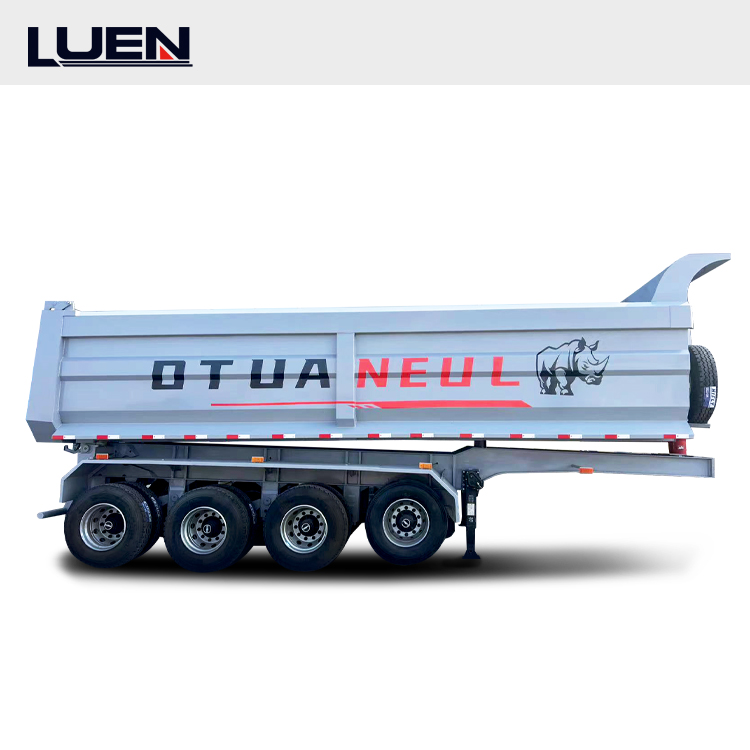
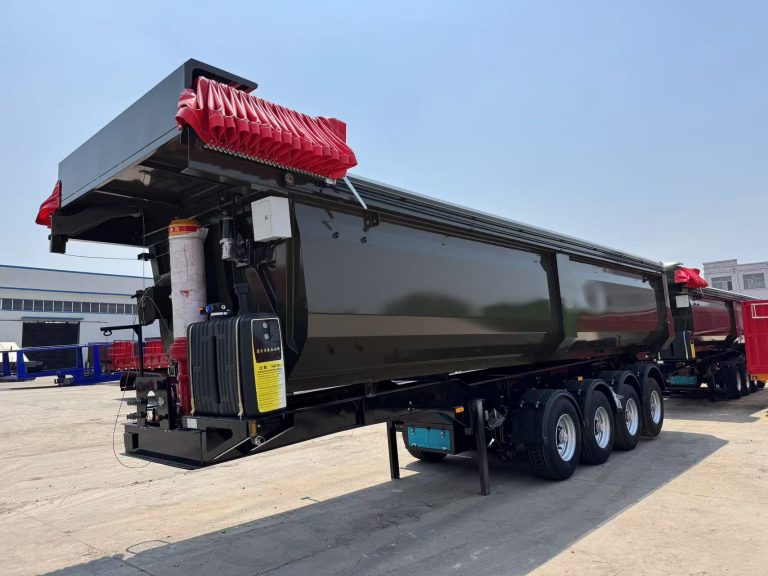
To support these demanding transport needs, LUEN specializes in manufacturing heavy duty semi trailers designed specifically for heavy equipment hauling. LUEN trailers feature robust construction and advanced engineering to handle the weight and size of large machinery, ensuring safe and stable transport across diverse terrains and routes.
Preparing Heavy Equipment for Transport
Preparation is critical to safe and successful heavy equipment hauling. Key steps include:
- Cleaning Equipment: Remove dirt, gravel, and debris to prevent loose materials from falling off during transit, which could cause damage or hazards on the road. Be aware of weather conditions; high winds, rain, or snow can impact safety and may necessitate route adjustments or postponing the haul.
- Lowering Fuel Levels: Reducing fuel minimizes spill risks and helps meet weight restrictions, improving vehicle stability during transport.
- Inspecting and Repairing: Check for leaks, worn parts, or mechanical issues before loading. Addressing these problems reduces the chance of breakdowns en route.
- Measuring Dimensions and Weight: Knowing the exact size and weight of your equipment guides trailer selection and permit requirements.
Choosing the Right Trailer and Route

Selecting the appropriate trailer is essential for hauling equipment safely:
- Trailer Types: Common options include flatbeds, step decks, lowboys, and modular trailers. The choice depends on equipment size, weight, and clearance needs.
- Weight Distribution: Position the equipment to distribute weight evenly across the trailer axles, maintaining stability and compliance with load limits.
- Height Considerations: Ensure the load fits under bridges and overpasses. The Federal Highway Administration (FHWA) generally requires a minimum clearance of 14 feet on interstates.
- Route Planning: Avoid low-clearance structures, weight-restricted roads, and difficult terrain. Planning routes ahead prevents costly detours and delays.
LUEN’s heavy-duty semi-trailers provide versatile configurations and customizable features to accommodate a wide range of heavy machinery sizes and weights. Their design prioritizes optimal weight distribution and road clearance, helping operators meet regulatory requirements while maximizing payload capacity.
Loading and Securing Heavy Equipment
Proper loading and securement are vital to prevent shifting or accidents during transport:
- Trailer Inspection: Verify that anchor points, tires, brakes, and the trailer bed are in good condition. Remove debris before loading.
- Equipment Movement: Use spotters and guides to load machinery safely onto the trailer, ensuring it is centered and balanced.
- Securement Methods:
- Use at least four tie-downs with adequate Working Load Limits (WLL). Chains and heavy-duty straps are preferred.
- Employ wheel chocks, wedges, and friction mats for tracked equipment to prevent sliding.
- Secure all movable parts such as booms, buckets, doors, and spare tires.
- Engage parking brakes and lock controls on the equipment.
- Final Inspection: Conduct a thorough walk-around to ensure all tie-downs are tight, equipment is immobile, and driver visibility is not obstructed.
Executing the Haul
Communication: Maintain contact between drivers and dispatchers to monitor progress and address issues promptly, further enhancing driver safety.
- Experienced Drivers: Operators must hold special licenses and understand how to handle oversized and overweight loads safely.
- Communication: Maintain contact between drivers and dispatchers to monitor progress and address issues promptly.
- Safety Practices: Follow speed limits, observe securement checks during stops, and adjust for weather or road conditions.
LUEN’s trailers are engineered to integrate seamlessly with modern trucking fleets, providing drivers with reliable handling and safety features that facilitate smooth hauling operations.
Legal and Regulatory Compliance
Adhering to DOT regulations for transporting heavy equipment is non-negotiable:
- Permits: Obtain necessary oversize or overweight permits before transport from heavy equipment transportation companies. Requirements vary by state and locality.
- Weight Limits and Axle Spacing: Comply with federal and state limits to avoid fines and equipment damage.
- Documentation: Keep records of permits, inspections, and securement procedures for accountability.
Non-compliance can result in citations, fines, and vehicle out-of-service orders, disrupting your project timeline.
Specialized Considerations for Construction Equipment Hauling
Construction sites pose unique challenges:
- Timely Delivery: Delays can stall construction progress, so reliable scheduling is essential with GPS tracking.
- Equipment Sensitivity: Handle delicate components carefully during loading and unloading.
- Timely Delivery: Delays can stall construction progress, so reliable scheduling is essential.
Professional construction equipment hauling services understand these factors and tailor their approach accordingly.
Post-Transport Procedures
After delivery:
- Safe Unloading: Use proper equipment and procedures to avoid damage or injury.
- Inspection: Check the equipment for any transit-related issues and document its condition.
- Maintenance: Conduct routine checks to ensure the machinery is ready for operation.
- Feedback: Communicate with your hauling provider to improve future transports.
Conclusion
Heavy equipment shipping and transport solutions, including large equipment, is a demanding but manageable process when approached with the right knowledge and resources. From preparation and securement to compliance and execution, every step matters. Partnering with experienced heavy equipment transporters and utilizing reliable, purpose-built trailers like those from LUEN ensures your machinery arrives safely and on time, supporting the success of your projects.
If you are seeking durable, high-performance semi-trailers designed specifically for heavy equipment hauling, LUEN offers a comprehensive range of products engineered to meet the toughest transport challenges. Contact LUEN to learn how our trailers can enhance your heavy machinery transport operations.
FAQ
What is heavy duty equipment?
Heavy-duty equipment refers to large, powerful machines designed for construction, mining, forestry, and other industrial applications. This type of equipment is built to handle tough tasks such as excavation, lifting heavy loads, and transporting materials. Examples include bulldozers, excavators, cranes, backhoes, and dump trucks. Heavy-duty equipment is crucial for completing large projects efficiently and safely, often featuring enhanced durability and performance to withstand demanding conditions.
Can a 10-ton truck transport heavy machinery?
Yes, a 10-ton truck can transport heavy machinery, provided that the weight of the machinery does not exceed the truck’s weight capacity. It’s important to ensure that the load is properly secured and balanced during transportation to prevent any accidents or damage. Always check the specifications of both the truck and the machinery to confirm compatibility before moving anything heavy!