English
 Spanish
 French

Fuel Tank Trailer Loading and Unloading Guide
Fuel unloading and oil tanker loading represent fundamental operations within the petroleum supply chain infrastructure. These complex procedures demand meticulous planning, appropriate fuel tanker trailer unloading systems, and rigorous adherence to safety protocols. This comprehensive guide examines each operational phase thoroughly, emphasizes the critical importance of utilizing proper fuel tanker unloading equipment, and demonstrates how tanker unloading systems and fuel tanker loading equipment function cohesively to guarantee secure and productive operations.

Introduction
Fuel unloading and oil tanker loading operations are absolutely vital for the safe transportation of gasoline, diesel, and various petroleum products across distribution networks. The implementation of sophisticated fuel tanker unloading systems combined with dependable fuel tanker unloading equipment, including the use of pumps, serves as the cornerstone for accident prevention while safeguarding both personnel and environmental integrity. Industry operators must develop a comprehensive understanding of proper fuel loading procedures and master the effective utilization of fuel tanker loading equipment, especially when working at the top of the truck, to ensure every operational phase maintains the highest safety standards and minimizes turbulence.
Pre-Operation Preparations
Inspection and Safety Checks
Conduct thorough inspections of all fuel tanker unloading equipment and associated loading systems prior to commencing operations. Verify that hoses, valves, and grounding systems maintain optimal working condition and demonstrate compatibility with the specific fuel type being handled, including the use of an HMI (human machine interface) for monitoring.
Validate that all identification labels and accompanying documentation remain accurate and current. The fuel type contained within the trailer must correspond precisely with the designated receiving tank specifications.
Establish a comprehensive safety perimeter around the loading or unloading operational site. Access should be restricted exclusively to properly trained and certified personnel who possess the necessary qualifications to work in proximity to the tanker.
Equipment and Site Preparation
Position wheel chocks securely and engage parking brakes to completely prevent any unauthorized movement of the tanker during operations.
Shut down all engines and electrical devices to eliminate potential ignition sources that could pose fire or explosion risks.
Ensure the operational site maintains adequate ventilation, structural stability, and remains free from environmental hazards such as open flames, steep gradients, or unstable ground conditions.
Fuel Tanker Trailer Loading Process

Positioning and Grounding
Maneuver the tanker to the specifically designated oil tanker loading area following established positioning protocols.
Deploy grounding cables to effectively prevent static electricity accumulation, which represents a significant fire and explosion hazard during fuel transfer operations.
Connect the vapor recovery system to capture and contain potentially harmful vapors that are generated during the loading process.
Connecting Fuel Tanker Loading Equipment
Attach the top loading arms or transfer hose to the tanker with precision. Verify that all connections achieve proper tightness and confirm that gaskets are correctly positioned to prevent any potential leakage.
Utilize bottom loading methodologies whenever operationally feasible. Bottom loading techniques significantly reduce fuel agitation and vapor formation, making them considerably safer than traditional top loading approaches.
Loading Sequence
Open the loading valve exclusively for the specific compartment currently being filled. If using a meter stop, initiate slow loading operations at a controlled rate (maintaining under 120 gallons per minute for the initial few inches) to minimize static electricity buildup.
Continuously monitor flow rates and pressure levels throughout the operation. Maintain vigilant observation for any signs of leaks or escaping vapors. Should vapor fumes become visible, immediately cease all loading activities.
Complete the filling of each compartment individually in sequence. Under no circumstances should the tanker be left unattended during active loading operations.
Post-Loading Procedures
Close all valves systematically and allow sufficient time for hoses or drop tubes to drain completely.
Remove hoses with careful attention to safety protocols and secure all equipment in designated storage locations.
Complete all required documentation thoroughly, including the bill of lading and relevant safety data sheets.
Fuel Tanker Trailer Unloading Process
Site Assessment and Equipment Check
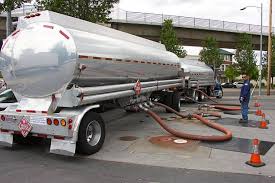
Position the tanker at the designated unloading location with precision. Verify that the surrounding area remains clear of obstacles and maintains structural stability.
Conduct comprehensive inspection of all fuel tanker unloading equipment, including hoses, valves, and the vapor recovery system components.
Connect the grounding cable before initiating unloading procedures to prevent static electricity accumulation.
Connecting the Tanker Unloading System
Attach the unloading hose to the appropriate receiving tank line with careful attention to proper alignment. Ensure all receiving valves remain in closed position before commencing operations.
Select the appropriate tanker unloading system based on operational requirements. Some systems utilize gravity-fed mechanisms, while others employ mechanical pumps to facilitate fuel transfer.
Unloading Steps
Open internal safety valves for the specific compartments designated for unloading.
Gradually open the discharge valve while maintaining constant observation for any signs of leaks or potential overfill conditions.
Monitor the entire process with continuous attention. Operators must wear appropriate protective equipment including gloves, safety goggles, and fire-resistant clothing throughout the operation.
Implement advanced tanker unloading systems equipped with sophisticated features such as automatic shut-off mechanisms and leak detection capabilities for enhanced safety protection.
Post-Unloading Procedures
Close all valves systematically and drain any remaining fuel from hoses into the designated storage tank.
Disconnect the grounding cable and thoroughly clean all equipment according to established protocols.
Conduct final inspection of the truck and unloading area before departing the site.
Complete all mandatory paperwork to provide comprehensive documentation of the operation.
Key Equipment in Fuel Tanker Loading and Unloading
| Equipment Type | Function | Safety Features |
|---|---|---|
| Loading Arms | Connect tanker to storage system at busy terminals, facilitate safe loading/unloading | Swivel joints, locking mechanisms |
| Hoses and Couplings | Transport fuel, connect tanker and storage tanks | Quick-connect couplings, chemical resistance |
| Vapor Recovery Systems | Capture vapors during loading/unloading | Prevents air pollution, reduces fire risk |
| Valves and Safety Mechanisms with sensors | Control fuel flow, prevent overfills and leaks | Automatic shut-off, leak detection |
| Monitoring Tools | Measure flow rate, pressure, and fuel quantity | Flow meters, pressure gauges |
Safety Measures and Best Practices
Always wear appropriate personal protective equipment (PPE) including gloves, safety goggles, and fire-resistant clothing during all operations.
Maintain strict adherence to emergency protocols for spills, leaks, or equipment failures. Immediately halt operations and alert emergency services when situations require professional intervention.
Utilize fuel tanker unloading systems equipped with integrated safety features such as automatic shut-off mechanisms and comprehensive vapor control systems.
Implement regular training and certification programs for all personnel involved in fuel unloading and oil tanker loading operations.
Maintain fire extinguishers and spill response kits in immediate proximity at all times during operations.
Documentation and Record-Keeping
Document all operational details including fuel type, quantity transferred, loading/unloading timestamps, and equipment serial numbers for each completed operation.
Maintain accurate and comprehensive paperwork to support operational transparency, regulatory compliance requirements, and auditing procedures.
Utilize pre- and post-operation checklists for every task to ensure no critical steps are overlooked.
Common Challenges and Solutions
| Challenge | Solution |
|---|---|
| Equipment Wear | Conduct regular inspections and replace damaged components promptly |
| Fuel Spills | Deploy spill kits, utilize quick-connect couplings, and monitor connections continuously |
| Pressure Fluctuations | Install advanced pressure regulators and monitoring tools |
| Poor Communication | Implement clear instructions and live monitoring tools to keep everyone informed |
Conclusion
Fuel unloading and oil tanker loading represent complex yet absolutely essential operations within the petroleum industry. Through the implementation of appropriate fuel tanker trailer unloading systems and reliable fuel tanker unloading equipment, operators can load fuel safely and efficiently while maintaining the highest industry standards, which necessitates an expert level of competence among the personnel involved. Proper utilization of tanker unloading systems and fuel tanker loading equipment, combined with strict safety measures and thorough documentation practices, helps prevent accidents and ensures smooth operational continuity. Ongoing training programs and regular equipment upgrades remain essential for maintaining the highest standards in fuel transport operations.
By adhering to these detailed operational procedures and industry best practices, companies can effectively protect their workforce, preserve environmental integrity, and serve the communities they operate within, while ensuring that fuel reaches its destination safely and efficiently.