English
 Spanish
 French

How Many Pallets Fit in a 53 Foot Trailer?
When planning freight shipments in the trucking industry, one of the most common questions logistics professionals ask is: how many pallets fit in a 53 foot trailer? This question is crucial because maximizing pallet load efficiency can reduce shipping costs, improve delivery times, and ensure compliance with legal weight limits. Understanding how a freight forwarder can assist with the answer can make the difference between a profitable shipment and one that eats into your margins.
Getting the most out of your transportation expenses comes down to proper planning and knowing your numbers. Once you understand how many pallets can fit in your trailer, it’s always a good idea to make more informed decisions about your transport methods and budget accordingly, ensuring the effectiveness of your overall supply chain. This article will provide a detailed guide on pallet sizes, trailer dimensions, weight restrictions, and loading patterns to help optimize your freight transport in a standard 53 dry van trailer.

Why Knowing Pallet Capacity Matters for Your Business
Understanding how many pallets fit on a 53 trailer is essential for efficient freight management and optimizing freight capacity. Every day, thousands of pallets are shipped across the country, and when loaded correctly, this can be highly cost-effective. Pallet count directly impacts how much cargo you can ship per trip, which affects your transportation costs and scheduling.
Proper loading also helps maintain trailer weight distribution and keeps your load within tractor trailer weight limits and DOT weight limits per axle. This ensures safety and legal compliance on the road—something that’s non-negotiable in today’s regulatory environment. Getting this wrong can result in costly fines and dangerous driving conditions.
Dimensions and Weight Limits of a 53-Foot Trailer

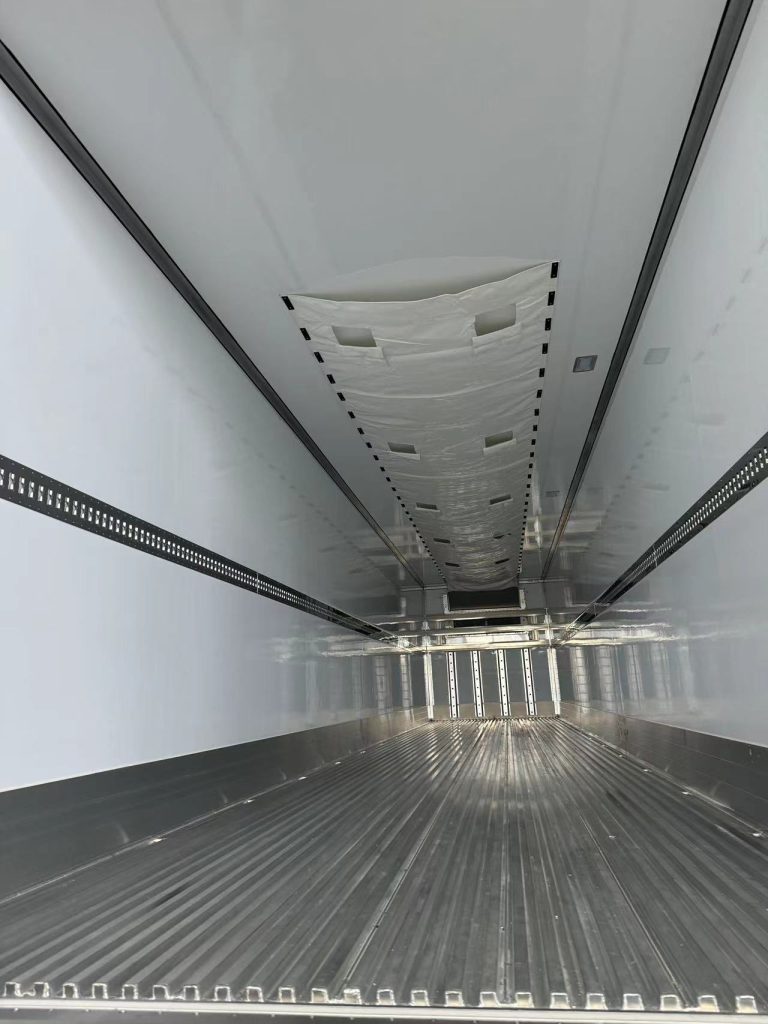
Since we’re dealing with an enclosed trailer type, let’s focus on the internal dimensions and interior dimensional capacities that matter for pallet configuration purposes. A typical 53-foot trailer has internal dimensions that total about 4050 cubic feet, which are fairly standardized across the industry:
Length: A 53-foot trailer’s maximum load length for cargo is 53 feet (636 inches).
Width: A 53-foot trailer’s maximum width capacity for cargo ranges from 98 to 100 inches, with 100 inches being the most common.
Height: A 53-foot trailer’s maximum height capacity for cargo ranges from 108 to 110 inches, with 108 inches being the most typical.
The height of a tractor trailer truck and the height of semi truck trailer are important because they limit how high pallets can be stacked safely. Any product that exceeds these dimensions cannot be transported using standard loading patterns.
Regarding weight capacity, the semi weight limit on highways is generally 80,000 pounds gross vehicle weight. However, the trailer itself weighs about 33,000 to 36,000 pounds, leaving roughly 44,000 to 47,000 pounds for cargo. This means your pallet load must not only fit dimensionally but also remain within these weight limits to avoid penalties and unsafe conditions.
Standard Pallet Sizes and Their Impact on Loading

The most common pallet size in North America is the standard pallet dims of 48 inches long by 40 inches wide, often called the “Grocery Manufacturers Association pallet” or “GMA pallet.” This pallet dimensions standard is widely used because it fits efficiently in the floor of a dry van trailers and shipping containers. Other pallet sizes exist, such as 42″x42″ or 40″x48″, but the 48×40 pallet is the most frequent reference point when discussing how many pallets fit in a 53 foot trailer.
To save you the math troubles, here’s what you need to know about standard pallet length and dimensions:
Pallet height is typically around 5.5 inches, though this can vary with custom-built pallets. Weight capacity per pallet is usually up to 2,500 pounds, but some pallets can support heavier loads up to 4,500 pounds depending on the material and construction. The pallet you need will differ from industry to industry, depending on what you’re shipping. However, the dimension of the pallets, including the weight of your cargo, will determine what your loading pattern will look like.
How Many Pallets Fit in a 53-Foot Trailer?
With the pallet size standard of 48×40 inches and a 53-foot trailer interior width of about 100 inches (width of dry van), you can fit two pallets side by side across the width, providing plenty of room for proper planning. This is where proper planning becomes critical.
Lengthwise, a 53-foot trailer can hold about 13 pallets in a row (13 x 48 inches = 624 inches, leaving some clearance for loading) across rows of pallets. The basic calculation works out like this:
2 pallets wide x 13 pallets long = 26 pallets total in a straight loading pattern.
However, if you’re working with different pallet configurations or loading methods, these numbers can change:
- Using the pinwheeling method (rotating some pallets in a pinwheel pattern), you can fit about 28 pallets.
- Using the turned pattern approach, you can fit up to 30 pallets.
- For smaller pallets like 36×36 inches, the count can increase to 34 pallets or more.
A skillful shipper can maximize these numbers through proper planning and loading techniques. Stacking pallets is another consideration—if the freight allows double stacking and height clearance is sufficient (trailer height ~108 inches), you could theoretically fit 52 pallets. However, weight restrictions often limit this approach.
Weight Considerations and Legal Limits
Loading pallets on a trailer takes skill and planning. Not just the dimensions matter, but the weight must be evenly distributed as well. Even if you can fit more pallets physically, the tractor trailer weight limits and DOT weight limits per axle restrict how much weight you can carry.
The total cargo weight typically should not exceed 44,000 to 47,000 pounds, depending on your specific trailer. Weight must be distributed properly to avoid overloading any axle, which can cause damage to roads and infrastructure and increase accident risk. This is necessary for the stability of the trailer as well as to stay in compliance with DOT regulations when being checked at inspection stations.
Proper trailer weight distribution also improves vehicle handling and fuel efficiency. It’s also important to note that each state differs in protocol and weight laws, so fleets should be cautious when scheduling shipping arrangements. If you overlook this important step, you could lose money by not efficiently packing your trailer while staying within legal limits.
Tips for Maximizing Space and Efficiency in a 53 Dry Van Trailer
Maximizing your trailer space for maximum profit per shipment should be one of your overall delivery goals. Here are proven strategies that work:
Plan your load configuration carefully before loading begins. Knowing how many pallets can fit in a 53 foot trailer based on your specific cargo helps you make better decisions about your shipping arrangements, providing you some extra room for optimization.
Place heavier pallets toward the front and bottom to maintain a low center of gravity and ensure proper weight distribution based on the weight of the pallets. This is critical for trailer stability and compliance.
Use loading patterns like pinwheeling or turning pallets to fit the most pallets when space allows. These techniques can help you answer the question “how many pallets will fit on a 53 foot trailer” more favorably.
Consider pallet stacking only if the cargo and trailer height allow, and if weight limits permit. Don’t anticipate moving as many pallets with heavy freight as you would with lighter products.
If you need your load to support heavier cargo, consider investing in custom-built pallets for proper configuration that ensures the trailer’s balance and maximizes capacity.
Secure your load with proper strapping and blocking to prevent shifting during transit. This protects your cargo and maintains the weight distribution you’ve carefully planned.
Conclusion
Knowing how the total number of pallets fit on a 53 foot trailer depends on several key factors: the size of the pallets, pallet dimensions standard you’re using, trailer dimensions, loading patterns, and weight restrictions. For the standard 48×40 pallet, you can typically fit about 26 pallets in a straight pattern, with options to increase to 28-30 pallets using different loading methods.
However, weight restrictions and proper trailer weight distribution are equally important for safe and legal transport. The combined considerations of how many 48×40 pallets fit in a 53 trailer, along with weight limits and proper loading techniques, determine your overall shipping efficiency.
By understanding these factors and planning accordingly, shippers can optimize their freight shipping loads in a 53 foot long trailer, reducing costs per shipment and improving delivery efficiency. Remember, knowing how many pallets in a 53 foot trailer you can safely and legally transport is fundamental to successful freight management.