English
 Spanish
 French

How to Load a Shipping Container onto a Trailer Safely and Efficiently
Loading a shipping container on trailer requires skill and attention to detail. When done correctly, this process protects your cargo and keeps everyone on the road safe. A properly secured container on trailer prevents damage during transport and helps avoid costly accidents. This guide walks you through the essential steps and safety measures for loading shipping containers onto trailers effectively.
Understanding Shipping Containers

LUEN Side Loader Trailer
A shipping container is a robust, weatherproof metal box designed for global cargo transport. These steel containers typically measure 20 feet or 40 feet in length and feature standardized dimensions that work perfectly with trailer systems. The uniform design of each container on trailer setup makes handling more predictable and efficient. Understanding your container’s specifications helps you plan the loading process and choose the right equipment.
Importance of Properly Loading a Shipping Container on a Trailer
Proper loading techniques are critical for safe transportation. Balance remains the key factor when positioning a container on trailer – the cargo inside must stay stable while the container stays centered on the trailer deck. This careful approach maintains vehicle stability throughout the journey.
Smart loading practices also maximize efficiency. When you optimize space usage in each trailer shipping container load, you can transport more goods per trip. This approach cuts transportation costs and reduces environmental impact by minimizing the number of trips needed.
Safety extends beyond the immediate loading area. A well-secured shipping container on trailer protects other drivers by preventing load shifts that could cause dangerous situations on the highway.
Step-by-Step Guide to Loading a Shipping Container on a Flatbed Trailer

LUEN Flatbed Container
Position the Trailer
Start by aligning your flatbed container trailer straight with the container. Choose level, stable ground to prevent any tilting during the loading process. Make sure you have adequate clearance around the work area for your lifting equipment to operate safely. Check overhead for power lines, tree branches, or other obstacles that might interfere with crane or forklift operation.
Secure the Trailer
Before moving the container on trailer, engage the trailer brakes completely. Place wheel chocks behind and in front of the trailer tires for additional stability. Walk around the trailer bed to inspect for damage, debris, or anything that might prevent proper container placement. Verify that all locking mechanisms are functioning and positioned correctly.
Lift and Place the Container
Use appropriate lifting equipment rated for your container’s weight and dimensions. Whether using a crane or heavy-duty forklift, lift the container smoothly and position it carefully on the trailer deck. Take your time during this step – rushing leads to misalignment and potential safety hazards. Ensure the container sits squarely on the trailer bed before proceeding.
Lock the Container
Engage the twist locks or locking pins at each corner of the container. These mechanisms create a solid connection between the container on trailer, preventing movement during transport. Double-check each locking point to confirm proper engagement. Some trailers use additional securing points along the container’s length for extra stability.
Perform Safety Checks
Verify that the loaded container weight falls within your trailer’s capacity limits. Inspect both the container and loading equipment for any signs of damage or excessive wear. Confirm that all personnel have moved to safe positions away from the loading area. Check that the container sits level and centered on the trailer bed.
Essential Safety Checks Before and During Loading
Safety inspections protect everyone involved in the loading process. Here are the critical areas to examine:
Container Inspection: Look for structural damage, including cracks, dents, or rust spots that could compromise container integrity. Check door seals and locking mechanisms to ensure they function properly.
Trailer Assessment: Test the trailer’s brakes, lighting systems, and all locking mechanisms. Inspect the trailer bed for damage or wear that might affect the container’s stability.
Equipment Verification: Confirm that your lifting equipment can handle the container’s weight safely. Check hydraulic systems, cables, and lifting attachments for any signs of wear or damage.
Load Securing Systems: Inspect chains, straps, and other securing devices for fraying, corrosion, or other damage. Ensure you have adequate securing equipment for your specific load.
Environmental Factors: Consider weather conditions, wind speed, and visibility. Postpone loading operations if conditions create safety risks.
Best Practices for Loading Shipping Containers on Trailer
Efficient loading starts with proper weight distribution. Spread heavy items evenly across the container floor to prevent concentrated stress points. This technique keeps the trailer shipping container combination stable during transport.
Use blocking and bracing methods to prevent cargo movement inside the container. Place wooden blocks, inflatable bags, or other bracing materials around cargo to eliminate shifting. This approach protects your goods and maintains the container’s balance.
Stack items strategically by placing heavier boxes at the bottom and lighter, more fragile items on top. Avoid placing heavy cargo directly on top of fragile goods, regardless of packaging.
Fill empty spaces with dunnage material or smaller items to create a tight, stable load. Empty spaces allow cargo to shift, potentially causing damage or creating dangerous load imbalances in your shipping container on trailer.
Secure everything with appropriate restraint systems. Use cargo nets, straps, or load bars to hold items in place. Match your securing method to your cargo type – what works for boxes might not work for machinery.
Plan your loading pattern with unloading in mind. Place items that need to be removed first near the container doors. This approach saves time and reduces handling costs at the destination.
Frequently Asked Questions (FAQ)
How are shipping containers loaded onto trucks and trailers? Professional operators use heavy-duty cranes or specialized container forklifts to lift and position containers. The process requires skilled operators who can precisely align the container with the trailer bed before engaging the locking mechanisms.
What are the best methods to secure a container on trailer for transport? Twist locks at the container corners provide the primary securing method. These locks engage with corresponding fittings on the trailer bed. Additional chains or straps can provide extra security, especially for valuable or sensitive cargo.
Do shipping container transport charges depend on weight or size? Transportation costs typically depend on container size and shipping distance rather than weight alone. However, extremely heavy loads may incur additional charges due to special handling requirements or route restrictions.
Conclusion and Additional Resources
Successfully loading a shipping container on trailer requires preparation, proper equipment, and strict attention to safety procedures. Always inspect your equipment thoroughly, secure your load properly, and prioritize safety above speed or convenience.
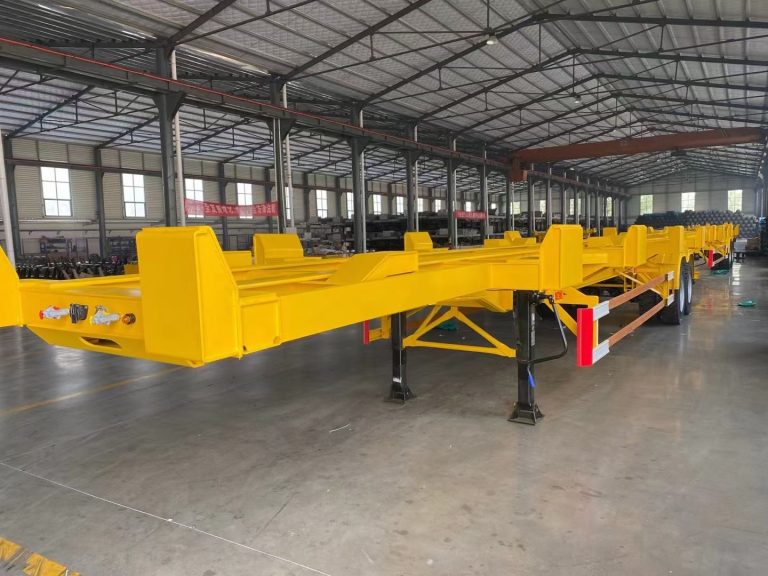
The right trailer equipment makes all the difference in safe and efficient container transport. Whether you need a versatile flatbed trailer for mixed cargo, a specialized container chassis for optimal stability, or a side loader trailer for tight spaces, choosing quality equipment ensures reliable operations and protects your investment.
For specialized guidance on trailer shipping container operations, consult with experienced transport companies or industry professionals. Many logistics companies offer training programs that can help you develop these essential skills.
Remember that mastering container loading techniques protects your cargo investment and ensures safe, cost-effective transportation for your business.
Professional Container Transport Equipment
Looking for reliable trailer solutions for your container shipping operations? LUEN offers a complete range of professional-grade transport equipment designed for safe and efficient container handling:
- Side Loader Trailers – Perfect for loading containers in confined spaces without overhead equipment
- Container Chassis – Specialized trailers with optimized twist lock systems for maximum container stability
- Flatbed Trailers – Versatile platforms suitable for containers and various cargo types
LUEN‘s equipment meets international safety standards and is built for demanding logistics operations. Contact LUEN today to find the right trailer solution for your container transport needs.
Also Read:
What Is the Difference Between an Intermodal Chassis and a Flatbed Trailer?
The Complete Guide to Sideloaders: Everything You Need to Know About Side Loader Containers