
 English
 Spanish
 French
Tractor Diesel vs Reefer Fuel: Everything You Need to Know
Why Understanding Tractor Fuel vs Reefer Fuel Matters
In the world of trucking and cold-chain logistics, your tractor is responsible for pulling the load down the highway, while your reefer unit works tirelessly to keep that load at the perfect temperature. Each of these critical systems relies on its own fuel source, and understanding the difference between tractor and reefer fuel isn’t just helpful—it’s essential for avoiding costly fines, preventing cargo spoilage, and keeping your fuel expenses under control.
Many drivers who are new to refrigerated transport find themselves searching for answers to questions like “tractor fuel vs reefer fuel” or “reefer fuel vs tractor fuel” because, at first glance, these fuels can look remarkably similar. Yet despite their appearance, they serve very different purposes and come with different rules you need to follow.
This comprehensive guide is designed to answer your most pressing questions, including “what is tractor fuel,” “what is reefer fuel,” and “is tractor fuel the same as diesel.” By the end, you’ll have a clear understanding of how these fuels differ and how to use each one correctly in your daily operations.
What Is Tractor Fuel (Tractor Diesel)?

LUEN Tractor Trailer
When we talk about tractor fuel, we’re referring to the diesel that powers the main engine of your semi-truck or farm tractor. In today’s modern equipment, this typically means ultra-low sulfur diesel, commonly abbreviated as ULSD. This tractor diesel fuel is specially formulated to deliver the high torque and robust pulling power your truck needs to haul heavy loads across long distances efficiently.
You’ll notice that tractor fuel has a clear or light yellow appearance, and it meets stringent road diesel standards that carefully limit sulfur content and control other fuel properties to ensure clean, efficient burning that complies with current emission regulations.
Here’s something important to know about cost: because tractor fuel is classified as a road fuel, it includes highway taxes in its price. This is why you’ll typically find tractor fuel costs more per gallon compared to off-road diesel or reefer fuel—you’re paying those road taxes with every fill-up.
Is Tractor Fuel the Same as Diesel?
This is one of the most common questions drivers ask: “is tractor fuel the same as diesel?” For most on-road trucks operating today, the answer is yes—tractor fuel is simply regular on-road ULSD diesel. The term “tractor diesel” primarily describes how and where the fuel is used (in tractors and trucks) rather than indicating a completely different fuel chemistry.
Now, it’s worth noting that older equipment sometimes relied on special blends like tractor vaporizing oil or other alternative fuels. However, modern highway tractors almost universally run on standard diesel #2 that meets current emission standards and environmental regulations.
From a practical standpoint, this means the diesel you pump into your tractor tank at the truck stop is the same base fuel you’d see labeled as on-road diesel at any commercial pump. The chemistry is essentially identical—it’s the application and tax treatment that create the distinction.
Key Features of Tractor Fuel
What makes tractor fuel so well-suited for heavy-duty engines? Let’s break down its most important characteristics.
First and foremost, tractor fuel boasts high energy density, which means each gallon packs a substantial amount of energy. This translates directly into strong pulling power and excellent fuel economy for those long-haul trips that define the trucking industry. When you’re hauling a full load across considerable distances, that energy efficiency makes a real difference in your operational costs.
Modern tractor diesel blends also contain carefully selected additives that serve multiple purposes. These additives help keep your fuel injectors clean, protect critical engine components against corrosion, and improve cold-start performance during harsh winter conditions. These aren’t just nice-to-have features—they’re essential for maintaining reliable engine operation.
In regions that experience severe winter weather, you may encounter winter-grade tractor fuel that includes anti-gel agents or is blended with diesel #1 to prevent fuel from gelling when temperatures plummet. This matters tremendously because a gelled or contaminated fuel system can leave you stranded with a loaded truck, causing serious delays and potentially spoiling temperature-sensitive cargo.
What Is Reefer Fuel?

LUEN Reefer Trailer
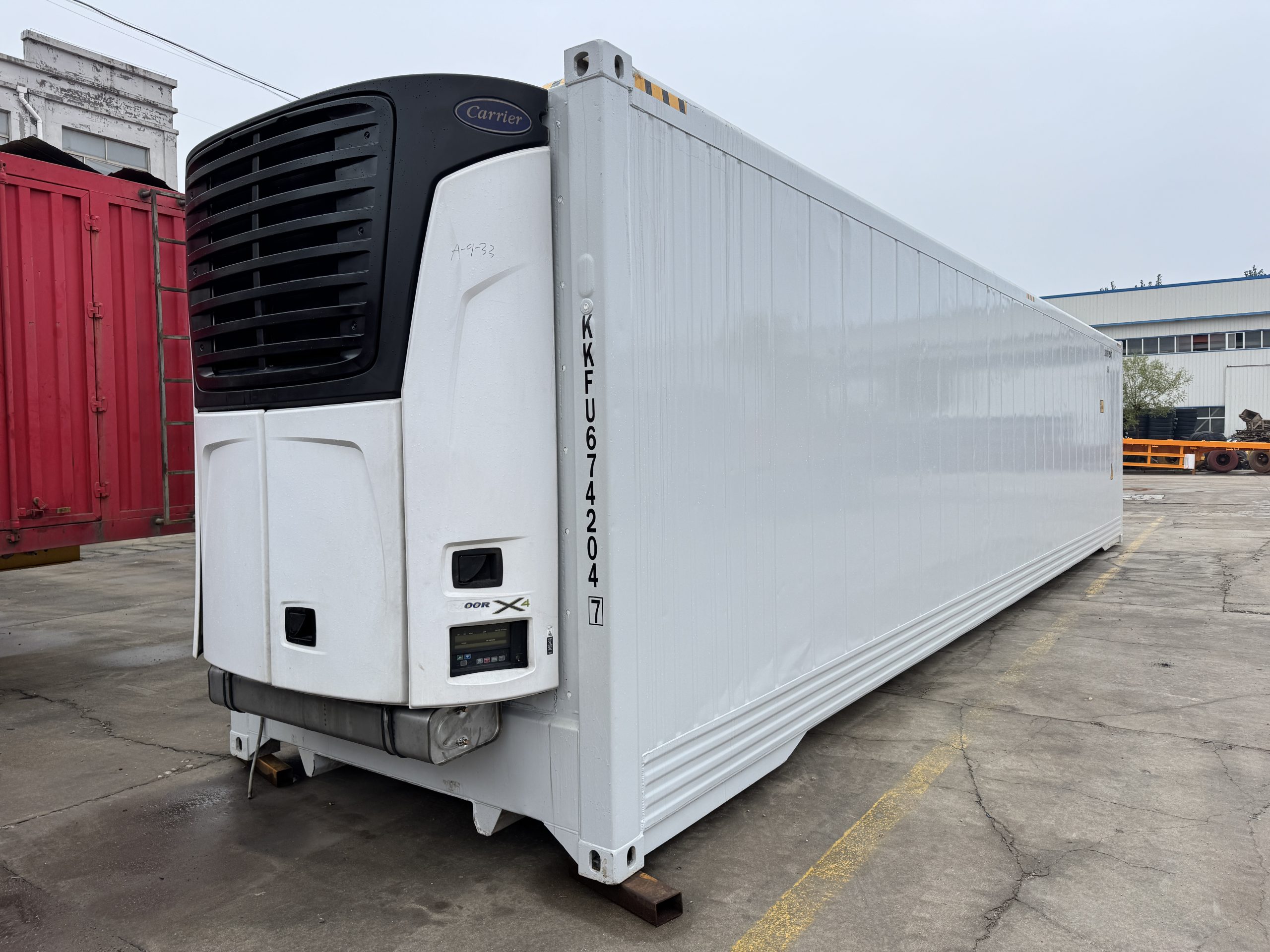
Now let’s turn our attention to answering “what is reefer fuel” and exploring the reefer fuel meaning in practical terms. Reefer fuel is the diesel that powers the small auxiliary engine mounted on your refrigerated trailer‘s cooling unit—it’s not used in the truck’s main propulsion engine at all. This dedicated reefer engine drives the compressor and cooling fans that maintain your trailer at precisely the right temperature for transporting food, pharmaceuticals, and other temperature-sensitive cargo.
From a chemical standpoint, reefer fuel can be essentially the same type of diesel as tractor fuel. However, there’s a crucial difference in how it’s sold and taxed: reefer fuel is typically sold as red-dyed off-road diesel because it’s not being burned to propel the vehicle on public roadways. This classification as auxiliary or off-road power is what gives reefer fuel its special tax status in many jurisdictions.
Reefer Fuel Characteristics
One of the most distinctive features of reefer fuel is its color. Reefer fuel is typically dyed bright red, making it immediately recognizable to inspectors as off-road fuel that hasn’t been taxed for highway use. This vivid red dye serves as a clear marker, making it easy for authorities to detect if anyone attempts to use cheaper reefer fuel in their tractor fuel tank—a practice that’s both illegal and heavily penalized.
Because reefer units operate in cold environments and cycle on and off throughout the day and night, reefer fuel needs excellent cold-flow properties. Many formulations include anti-gel additives to prevent waxing when temperatures drop, ensuring your refrigeration unit keeps running smoothly regardless of the weather outside.
It’s important to understand that reefer fuel is optimized for a different purpose than tractor fuel. The goal isn’t maximum horsepower or pulling power—instead, it’s all about steady, reliable cooling performance. While the energy demands are lower than a highway engine, the reliability requirements are extremely high. After all, your cargo’s safety depends on that reefer unit running without interruption.
Reefer Fuel and Taxes
Here’s where the economics of reefer fuel vs tractor fuel become especially important. In most jurisdictions, reefer fuel is not subject to road tax because the reefer engine doesn’t actually move the vehicle on public highways. This tax exemption is what makes reefer fuel significantly cheaper per gallon than taxed road diesel—in some areas, the savings can be quite substantial.
However, this tax advantage comes with strict legal requirements. It’s illegal to burn reefer fuel in your truck’s main engine when operating on public roads, because doing so allows you to avoid paying the required highway fuel taxes. This isn’t just a minor technicality—it’s considered tax evasion.
Authorities take this seriously. Inspectors may check fuel tanks at weigh stations or during roadside inspections to test for the presence of red dye. If they detect reefer fuel in your tractor tank, the consequences can be severe: hefty fines, back taxes, and potential legal trouble that far outweighs any money you might have saved on fuel.
Tractor Fuel vs Reefer Fuel: Main Differences
Even though both fuels share a diesel base, the difference between tractor and reefer fuel is crystal clear when you look at their purposes: tractor fuel moves your truck down the highway, while reefer fuel powers the refrigeration unit that protects your cargo. This fundamental difference in purpose leads to important variations in taxation, fuel coloring, and the proper handling procedures drivers must follow.
From a performance perspective, tractor fuel is engineered for power and efficiency under heavy loads and sustained highway operation. Reefer fuel, on the other hand, is designed for steady, lower-demand operation that keeps cargo cold for extended periods—sometimes for many hours or even days at a stretch.
When people ask “what’s the difference between tractor fuel and reefer fuel” or search for “reefer vs tractor fuel,” the most important answers involve purpose, legal requirements, and cost considerations rather than basic chemical composition. Let’s explore these differences in detail.
Purpose and Application
Tractor fuel powers the high-horsepower diesel engine in your tractor or commercial truck, delivering the immense torque needed to get a heavy trailer moving and pull it up steep grades without losing momentum. This is serious power we’re talking about—the kind that can move tens of thousands of pounds of cargo efficiently and safely.
Reefer fuel, in contrast, runs a much smaller diesel engine with a completely different mission. Its only job is to drive the refrigeration unit that maintains the precise temperature your cargo requires, whether that’s frozen goods at sub-zero temperatures or fresh produce kept at just above freezing.
In your day-to-day work, this difference is reflected in how you purchase each fuel. You’ll buy tractor fuel at the standard truck diesel pumps, while reefer fuel comes from separate pumps or bulk tanks clearly marked as “off-road” or “reefer.” Smart drivers keep receipts separate for proper reporting and billing purposes.
Mixing up tractor fuel or reefer fuel isn’t just an embarrassing mistake—it can create serious legal and operational problems. That’s why reputable fleets invest time in training new drivers on which fuel goes where, making sure everyone understands the rules from day one.
Energy Density and Performance Needs
Tractor fuel must deliver high energy density and reliable, stable combustion to provide sustained pulling power on the highway while maintaining good fuel mileage. This is precisely why standard diesel #2 has become the universal choice for tractors and highway trucks across the industry.
Reefer fuel may be chemically similar diesel, but it’s consumed in a smaller, lower-output engine where the performance priorities are quite different. Smooth, steady operation and excellent low-temperature flow characteristics matter more than maximum engine torque. Some industry guides note that reefer fuel formulations may be specifically optimized for cold conditions and the frequent start-stop cycles that are typical of refrigeration duty throughout a long haul.
Color, Tax, and Cost Comparison
To help you see the practical differences between tractor fuel vs reefer fuel at a glance, here’s a side-by-side comparison:
| Aspect | Tractor fuel (tractor diesel) | Reefer fuel (reefer diesel) |
|---|---|---|
| Main use | Powers tractor engine to move truck and trailer on highways | Powers refrigeration unit on reefer trailer to maintain cargo temperature |
| Chemical base | Standard on-road ULSD diesel meeting emission standards | Often same diesel base, classified as off-road or auxiliary fuel |
| Color | Clear or light yellow road diesel | Commonly bright red-dyed to mark as off-road fuel |
| Taxes | Full road tax applied in the purchase price | Usually tax-exempt or reduced tax as off-road fuel |
| Typical price | Higher price per gallon due to included road taxes | Lower price per gallon thanks to tax exemption |
| Legal use in tractor engine | Required fuel for highway use—this is what you must use | Illegal to use in tractor tank on public roads |
This table illustrates the practical side of “reefer fuel vs tractor fuel” and makes it clear why you cannot simply swap these fuels in normal highway service. Even though the reefer fuel meaning at its core is “diesel fuel,” the law treats it very differently from tractor fuel when it comes to on-road use.
Legal Risks of Mixing Fuels
Using red-dyed reefer fuel in your tractor fuel tank while operating on public roads is treated as tax evasion in virtually every jurisdiction. Inspectors have the authority to draw fuel samples from your tanks, and if they detect that telltale red dye, you or your fleet can face substantial fines and be required to pay back taxes on the fuel.
Some drivers make the dangerous assumption that “tractor fuel or reefer fuel, diesel is diesel—what’s the difference?” But that attitude represents a risky mistake that can cost far more than any short-term fuel savings you might achieve. The legal and financial consequences simply aren’t worth it.
Best practice is straightforward and easy to remember: use clear, taxed diesel in your tractor tank for highway operation, and reserve dyed, off-road reefer fuel exclusively for your reefer tank or other approved off-road equipment. Following this simple rule keeps you legal, protects your license, and helps you avoid expensive problems down the road.
Practical Tips: Tractor vs Reefer Fuel in Daily Operations
Drivers and dispatchers typically manage both tractor fuel and reefer fuel on every single trip, so establishing clear routines helps prevent costly errors. Many successful fleets teach their drivers to fuel the tractor and the reefer separately, save each receipt in the appropriate folder, and carefully log gallons for both tanks in their records.
When you’re planning a trip, make sure to include reefer fuel in your pre-trip checklist. This is especially critical for long hauls or during hot weather when your refrigeration unit will be running almost continuously. Running out of reefer fuel mid-trip can allow your load to warm up, leading to cargo claims, rejected freight, and some very unhappy customers—not to mention potential damage to your reputation and bottom line.
How Often to Fuel the Reefer
Reefer units typically consume somewhere between 0.5 to 1.5 gallons of fuel per hour, though this varies considerably depending on several factors: the size and efficiency of your unit, outside temperature conditions, your temperature setpoint, and how often cargo doors are opened for loading or unloading. Heavier cooling loads—like maintaining ice cream at deep-frozen temperatures—may increase fuel consumption compared to simply keeping fresh produce chilled.
A practical habit that many experienced drivers swear by is checking your reefer fuel level every single time you fuel the tractor, or at minimum once per day on longer trips. Some carriers establish specific policies such as “never leave the yard with less than half a tank of reefer fuel” to minimize the risk of running dry during transit.
Avoiding Cross-Fueling Mistakes
Make sure tanks and fuel caps are clearly labeled on both your tractor and trailer, particularly in multi-unit fleets where tractors and trailers are frequently swapped between runs. When you pull up to truck stop pumps, take a moment to read the pump signs carefully, ensuring that tractor diesel goes only into your tractor tank and reefer fuel or off-road diesel goes exclusively into your reefer tank.
If a fueling mistake does happen and reefer fuel accidentally goes into your tractor tank, report it to your dispatcher or fleet manager immediately. In most cases, the fuel can be pumped out and the tank properly refilled before you start your journey. Trying to hide the error or “just run it anyway” can transform a simple, fixable service call into a serious legal and tax problem if your truck gets inspected later with red dye in the tractor tank.
Choosing and Managing the Right Fuel
When you’re deciding between tractor fuel or reefer fuel for any given application, start by asking yourself a simple question: what am I powering? If it’s the road engine that moves your vehicle on public highways, the correct choice is always taxed road diesel. For reefer units and other off-road equipment, reefer fuel or other off-road diesel is the appropriate choice where regulations allow.
Fleet managers can significantly reduce operational costs by tracking reefer fuel vs tractor fuel separately in their accounting systems and implementing strong controls to ensure off-road fuel never makes its way into road tanks. Clear written policies, thorough driver training, and diligent recordkeeping help you answer every “tractor vs reefer fuel” question correctly before it becomes an expensive mistake that costs you thousands in fines or puts your operating authority at risk.
By understanding these differences and following industry best practices, you’ll keep your operations running smoothly, your cargo protected, and your business on the right side of the law. Whether you’re a new driver just learning the ropes or a fleet manager overseeing multiple trucks, mastering the distinction between tractor and reefer fuel is a fundamental skill that pays dividends every single day you’re on the road.
Related:
Common Problems and Repairs of Reefer Trailers
The Difference Between a Truck and a Tractor
Discover Quality Trailers with LUEN
Now that you understand the critical differences between tractor fuel and reefer fuel, it’s time to ensure you have the right equipment to put that knowledge into action. At LUEN, we’re dedicated to providing top-quality trailers that meet the demanding needs of modern transportation and logistics operations.
Whether you’re looking for a reliable tractor trailer to haul heavy loads across long distances, a state-of-the-art reefer trailer equipped with advanced refrigeration systems to keep your temperature-sensitive cargo in perfect condition, or any other specialized trailer solution, LUEN has you covered.
Our comprehensive trailer inventory includes:
Tractor Trailers: Built for durability and performance, our tractor trailers are designed to handle the toughest hauling jobs while delivering excellent fuel efficiency and long-term reliability.
Reefer Trailers: Our refrigerated trailers feature cutting-edge cooling technology, fuel-efficient reefer units, and robust insulation to maintain precise temperatures for your perishable goods, pharmaceuticals, and other sensitive cargo.
Specialized Trailers: From flatbeds to tankers, dry vans to lowboys, we offer a diverse range of trailer types to match your specific transportation needs.
At LUEN, we understand that the right trailer isn’t just equipment—it’s an investment in your business’s success. That’s why we focus on quality construction, innovative design, and features that help you maximize efficiency while minimizing operational costs. Our trailers are engineered to work seamlessly with modern tractors and comply with current industry standards, giving you peace of mind on every haul.
Ready to explore our full range of trailer solutions? Contact LUEN today to discuss your specific requirements, request detailed specifications, or schedule a consultation with our experienced team. We’re here to help you find the perfect trailer that keeps your operations moving forward efficiently and profitably.
Visit us at LUEN – Your trusted partner for tractor trailers, reefer trailers, and comprehensive trailer solutions that drive your business success.


