English
 Spanish
 French

What Is a Dolly Trailer, and When Do You Need One for Heavy Hauling?
Transporting oversized and heavy loads presents unique challenges that require specialized equipment and careful planning. When your cargo exceeds the capacity of a standard truck or trailer setup, you’ll likely need to consider dolly trailer solutions. Understanding what is a dolly trailer, how different types of dollies truck configurations work, and when to implement dolly trucking can make the difference between a successful shipment and costly delays or safety incidents.

LUEN Dolly Trailer
What Is a Dolly Trailer?
A dolly trailer, also known as a truck dolly or lorry dolly, is a specialized piece of transportation equipment that serves as an intermediary connection point between trucks and trailers. This unpowered vehicle consists of wheel axles, connecting beams, and coupling mechanisms designed to support and distribute heavy loads across multiple contact points with the road surface.
The primary function of a dolly truck trailer is to enable the connection of additional trailers to a single truck, effectively creating what’s known as a road train configuration. This truck with dolly setup allows operators to transport cargo that would be impossible to move with conventional single-trailer combinations due to weight, size, or length restrictions.
Dolly trailers have evolved from simple connecting devices to sophisticated pieces of equipment featuring advanced engineering. Modern dollies truck systems incorporate hydraulic steering mechanisms, adjustable suspension systems, and computerized load distribution controls. These improvements have made dolly trucking operations safer, more efficient, and capable of handling increasingly complex transportation challenges.
The engineering behind a truck dollie involves careful consideration of load dynamics, weight distribution, and structural integrity. The connecting beams must be capable of transferring both vertical loads and horizontal forces, while the axle systems need to handle the combined stresses of heavy cargo and road conditions. This is why professional dolly trailer truck operations require specialized knowledge and equipment maintenance protocols.
Comprehensive Types of Dolly Trailers
Understanding the various configurations of oversize load trailers and their associated dolly systems is crucial for selecting the right equipment for your specific hauling needs.
Single-Axle Dollies (Truck Dolley Systems)

Single-axle dollies represent the most compact and maneuverable option in the dolly trailer family. These units typically feature one axle with dual wheels and are designed for loads ranging from 10,000 to 40,000 pounds. The truck dolley configuration is particularly valuable in urban environments or construction sites where space constraints limit the use of larger equipment.
The design simplicity of single-axle dollies makes them cost-effective for operations that don’t require maximum weight capacity. However, their load distribution capabilities are limited compared to multi-axle alternatives, which means they’re best suited for loads that fall within standard weight regulations but require the flexibility of a dolly trucking setup.
Double-Axle Dollies for Enhanced Capacity
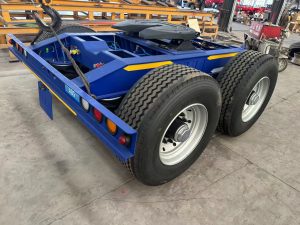
Double-axle dolly trailers provide the middle ground between maneuverability and load capacity. These systems typically accommodate loads between 40,000 and 80,000 pounds, making them popular choices for medium-duty oversize load trailer applications. The additional axle significantly improves weight distribution and provides redundancy in case of tire or axle failure.
What sets double-axle dollies truck systems apart is their versatility in handling various load types. From construction equipment to industrial machinery, these dolly trailer configurations can adapt to different cargo shapes and weight distributions while maintaining compliance with most state and federal transportation regulations.
Triple-Axle Dollies for Maximum Capacity

Triple-axle dollies represent the heavy-duty end of the dolly trailer spectrum, capable of supporting loads exceeding 120,000 pounds. These truck dolly trailer systems are essential for transporting extremely heavy industrial equipment, large construction machinery, and other oversized cargo that pushes the boundaries of what’s legally transportable on public roads.
The engineering complexity of triple-axle systems requires sophisticated load calculation and route planning. Each axle must be properly loaded to ensure compliance with bridge laws and axle weight regulations, while the overall configuration must maintain stability during transport. This is where the expertise of experienced dolly trucking operators becomes invaluable.
Specialized Dolly Configurations
Beyond standard axle configurations, the industry has developed specialized dolly trailer designs for unique applications. Steerable dollies feature powered steering systems that allow the rear axles to follow the truck’s path more precisely, reducing tire wear and improving maneuverability on tight routes.
Low-profile dollies are designed for cargo with height restrictions, while extendable dollies can adjust their wheelbase to accommodate different load lengths. Some oversize load trailers incorporate removable dollies that can be repositioned or removed entirely once the cargo reaches its destination, providing maximum flexibility in loading and unloading operations.
When Do You Need a Dolly Trailer for Oversize Load Transport?
Determining when your operation requires a truck with dolly configuration involves understanding both legal requirements and practical transportation challenges. The decision isn’t always straightforward, as it depends on multiple factors including cargo specifications, route characteristics, and regulatory compliance needs.
Legal Weight and Dimension Requirements
Federal and state regulations establish specific limits for vehicle combinations traveling on public roads. When your cargo exceeds 80,000 pounds gross vehicle weight, exceeds 8.5 feet in width, or extends beyond standard length limitations, you’ll likely need to consider dolly trailer solutions. These oversize load trailers help distribute weight across additional axles, keeping individual axle weights within legal limits while allowing for heavier total payloads.
The complexity of weight distribution calculations requires careful attention to bridge laws, which vary by state and can significantly impact your dolly trucking strategy. Some routes may require specific axle configurations or spacing requirements that only certain types of dollies truck systems can accommodate.
Cargo Characteristics That Demand Dolly Solutions
Certain types of cargo inherently require dolly trailer truck configurations due to their physical characteristics. Long, inflexible loads such as bridge beams, wind turbine components, or large industrial vessels often need multiple support points to prevent structural damage during transport. In these cases, what is a dolly becomes a critical question of cargo protection rather than just weight distribution.
Heavy machinery transport frequently requires truck dolly solutions even when individual weight limits aren’t exceeded. The concentrated weight of large equipment can exceed the load capacity of standard trailer configurations, making dolly trailers essential for safe transport. Construction equipment, manufacturing machinery, and power generation components often fall into this category.
Route and Infrastructure Considerations
Some transportation routes present challenges that make truck dollie configurations necessary regardless of cargo weight. Bridge weight restrictions, road surface conditions, and turning radius limitations can all influence the decision to use dolly trucking solutions. Mountain passes, urban environments, and construction zones often require the enhanced maneuverability that comes with properly configured dolly trailer systems.
Long-distance transportation often benefits from dolly configurations even when not strictly required. The improved weight distribution can reduce tire wear, improve fuel efficiency, and provide better stability in adverse weather conditions. This makes oversize load trailer operations with dollies more economical and safer for extended journeys.
Critical Safety Considerations for Dolly Trailer Transport
Safety in dolly trucking operations requires a comprehensive approach that addresses equipment maintenance, operational procedures, and regulatory compliance. The complexity of truck with dolly configurations introduces additional risk factors that must be carefully managed through proper protocols and training.
Equipment Inspection and Maintenance Protocols
Regular inspection of dolly trailer components is fundamental to safe operations. The coupling mechanisms that connect the truck dolly to both the tractor and trailing units must be inspected for wear, proper lubrication, and structural integrity. Any signs of cracking, excessive wear, or deformation require immediate attention and potential equipment replacement.
Tire condition becomes even more critical in dollies truck applications due to the increased loads and complex stress patterns. Uneven wear patterns can indicate alignment issues, overloading, or suspension problems that could lead to catastrophic failure during transport. Professional dolly trucking operations typically implement tire pressure monitoring systems and regular rotation schedules to maximize safety and equipment life.(How to Prevent and Handle a Trailer Tire Flat or Trailer Flat Tire)
The hydraulic systems found in modern dolly trailer truck configurations require specialized maintenance attention. Steering systems, suspension components, and braking mechanisms all depend on proper hydraulic function. Regular fluid analysis, seal replacement, and system testing are essential components of a comprehensive maintenance program.
Load Securing and Weight Distribution
Properly securing cargo on oversize load trailers requires understanding how loads behave differently when supported by multiple points. The truck dolley system creates additional pivot points that can amplify load movement if securing methods aren’t properly implemented. This requires specialized knowledge of load dynamics and securing techniques specific to dolly configurations.
Weight distribution calculations become more complex with dolly trailer systems, as improper loading can create dangerous handling characteristics. Front-heavy configurations can cause trailer tongue weight issues, while rear-heavy loads can reduce tractor steering control. Professional operators use computerized load planning software to optimize weight distribution across all axles in the truck with dolly combination.
Operational Safety Procedures
Maneuvering truck dolly trailer combinations requires enhanced driver skills and awareness. The additional length and multiple articulation points create unique challenges in backing, turning, and general navigation. Many operations require specialized training and certification for operators handling dolly trucking assignments.
Route planning takes on added importance with oversize load trailer operations. Bridge clearances, weight restrictions, turning radii, and road surface conditions all require careful evaluation. Many jurisdictions require detailed route surveys and may restrict dolly trailer movements to specific times or road conditions.
Communication systems become critical safety tools in dolly trucking operations. Pilot car coordination, ground personnel communication, and emergency contact protocols all require careful planning and implementation. The increased complexity of truck dollie operations often requires additional personnel and enhanced coordination procedures.
Significant Advantages of Dolly Trailers in Heavy Hauling

The benefits of implementing dolly trailer solutions extend beyond simple weight capacity increases. Modern dolly trucking operations can achieve significant operational improvements and cost savings when properly implemented and managed.
Enhanced Payload Capacity and Efficiency
The most obvious advantage of truck with dolly configurations is the ability to transport heavier loads in a single trip. This increased capacity can dramatically improve operational efficiency, particularly for operations that regularly transport heavy equipment or materials. By eliminating the need for multiple trips or load splitting, dolly trailer truck operations can reduce transportation costs and delivery times.
The efficiency gains extend beyond simple weight increases. Dollies truck systems allow for more flexible load configurations, enabling operators to optimize trailer space utilization. This is particularly valuable when transporting irregularly shaped cargo that might otherwise waste trailer capacity in conventional configurations.
Improved Load Distribution and Equipment Protection
Dolly trailers provide superior load distribution compared to conventional trailer setups, which translates into reduced wear on both the cargo and transportation equipment. The multiple support points help minimize stress concentrations that can damage sensitive equipment during transport. This is particularly important for precision machinery or delicate industrial equipment.
The enhanced stability provided by properly configured truck dolly systems reduces dynamic loading on cargo during transport. This improved ride quality can be critical for equipment with tight tolerances or components that are sensitive to vibration and shock loading.
Cost-Effectiveness and Resource Optimization
While the initial investment in dolly trailer equipment may seem substantial, the long-term cost benefits are significant. A single driver operating a truck dollie combination can often transport cargo that would otherwise require multiple trucks and drivers. This reduces labor costs, fuel consumption, and equipment depreciation on a per-ton-mile basis.
The flexibility of dolly trucking operations allows companies to optimize their fleet utilization. Rather than maintaining specialized heavy-haul equipment that may only be used occasionally, businesses can utilize dolly trailer systems to enhance their existing fleet capabilities when needed.
Regulatory Compliance and Operational Flexibility
Oversize load trailers equipped with appropriate dolly systems often provide better regulatory compliance options compared to specialized heavy-haul equipment. The ability to adjust axle loading and spacing can help operators meet varying state requirements without requiring different equipment for different routes.
The modular nature of many dolly trailer systems provides operational flexibility that can be valuable in changing market conditions. Equipment can be reconfigured for different types of loads, and dollies can be used with different tractors and trailers as operational needs change.
Conclusion: Making Dolly Trailers Work for Your Operation
Understanding what is a dolly and how these systems can enhance your transportation capabilities is essential for businesses dealing with heavy or oversized cargo. The decision to implement dolly trucking solutions should be based on a careful analysis of your specific operational requirements, regulatory environment, and long-term business objectives.
Success with truck dolly trailer operations requires more than just purchasing equipment. Proper training, maintenance protocols, and operational procedures are essential components of a safe and efficient dolly trailer program. By working with experienced professionals and implementing comprehensive safety and maintenance programs, businesses can realize the significant benefits that dolly trucking offers while maintaining the highest standards of safety and regulatory compliance.
Whether you’re transporting construction equipment, industrial machinery, or other heavy cargo, dolly trailer solutions can provide the capability and flexibility needed to handle challenging transportation requirements efficiently and safely. With proper planning and implementation, truck with dolly configurations can become a valuable asset in your transportation strategy.