English
 Spanish
 French
What Is a Plate Trailer? Complete Guide to Plate vs. Standard Dry Van Trailers
Fleet managers and owner-operators face a crucial decision when selecting trailers: should you invest in a plate trailer or stick with the tried-and-true standard dry van? The answer isn’t always straightforward, but understanding the fundamental differences between these two trailer types can save you thousands in operating costs and open doors to specialized freight opportunities.
If you’re hauling high-cube, lightweight cargo or need food-grade cleanliness standards, a plate trailer might justify the premium cost through increased efficiency and access to specialized contracts. However, if your operation primarily moves general freight or weight-sensitive loads, a standard dry van’s proven durability and lower maintenance costs often make more business sense.
This guide breaks down what a plate trailer really is, how it compares to traditional dry vans, and when each option delivers the best return on investment for your specific hauling needs.
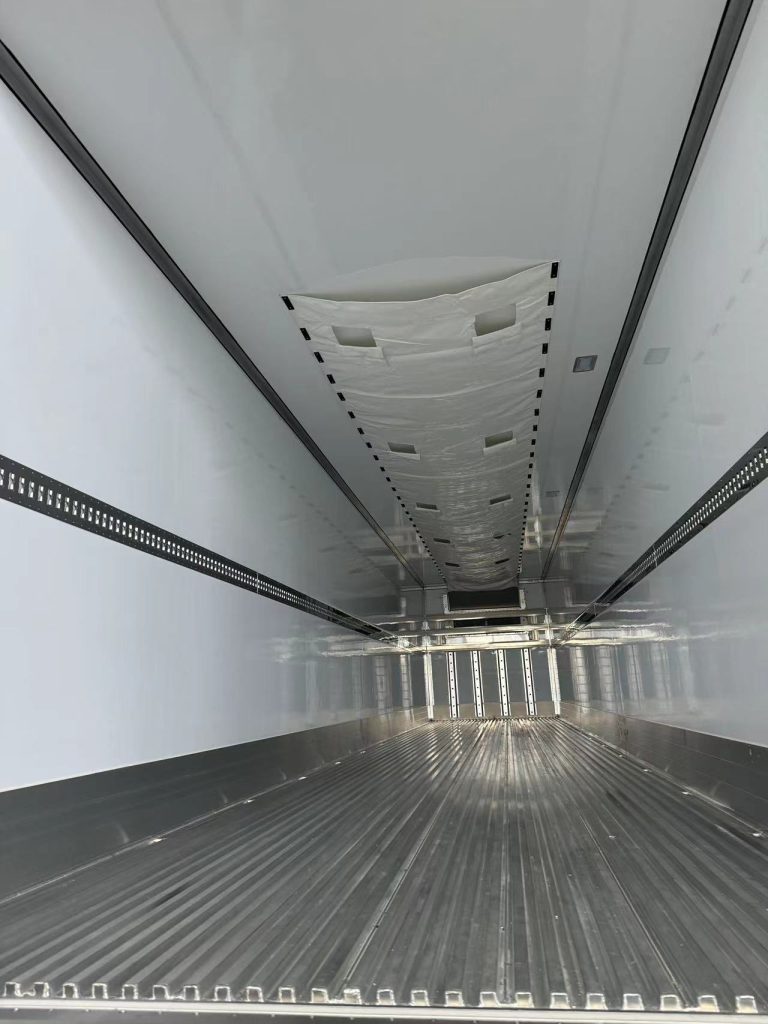
LUEN Plate Trailer
What Is a Plate Trailer?
A plate trailer is essentially a dry van trailer engineered with smooth, composite wall construction instead of the conventional sheet-and-post design. The “plate” in plate trailer refers to the large, flat composite panels that form both interior and exterior walls, creating a seamless interior surface without protruding structural elements.
Here’s what sets plate trailers apart: unlike standard dry vans where vertical support posts eat up precious interior space, plate trailers relocate these structural elements to the exterior or integrate them into the wall panels themselves. This design innovation delivers a wider interior—typically 100.5 to 101 inches of usable width compared to roughly 98.5 inches in a traditional dry van.(Maximum Cargo Weight and Specifications for 53′ Dry Van Trailers)
Key Plate Trailer Characteristics:
- Smooth interior walls: No posts or obstructions to snag cargo or complicate loading
- Thin-wall construction: Composite materials (often galvanized steel with plastic cores) provide strength without bulk
- Maximum interior width: Those extra 2-3 inches can mean fitting an additional pallet or reducing loading time significantly
- Food-grade compatibility: Easy-to-clean surfaces meet strict sanitation requirements
You’ll often encounter terms like “plated trailer,” “plated trailer dry van,” or “plated dry van trailer” in industry discussions—these all describe the same smooth-wall construction concept. When someone asks “what is a plated trailer” or searches for “plate trailer meaning,” they’re looking for this specific composite wall design that maximizes interior space.
Construction Differences: Plate Trailer vs. Standard Dry Van
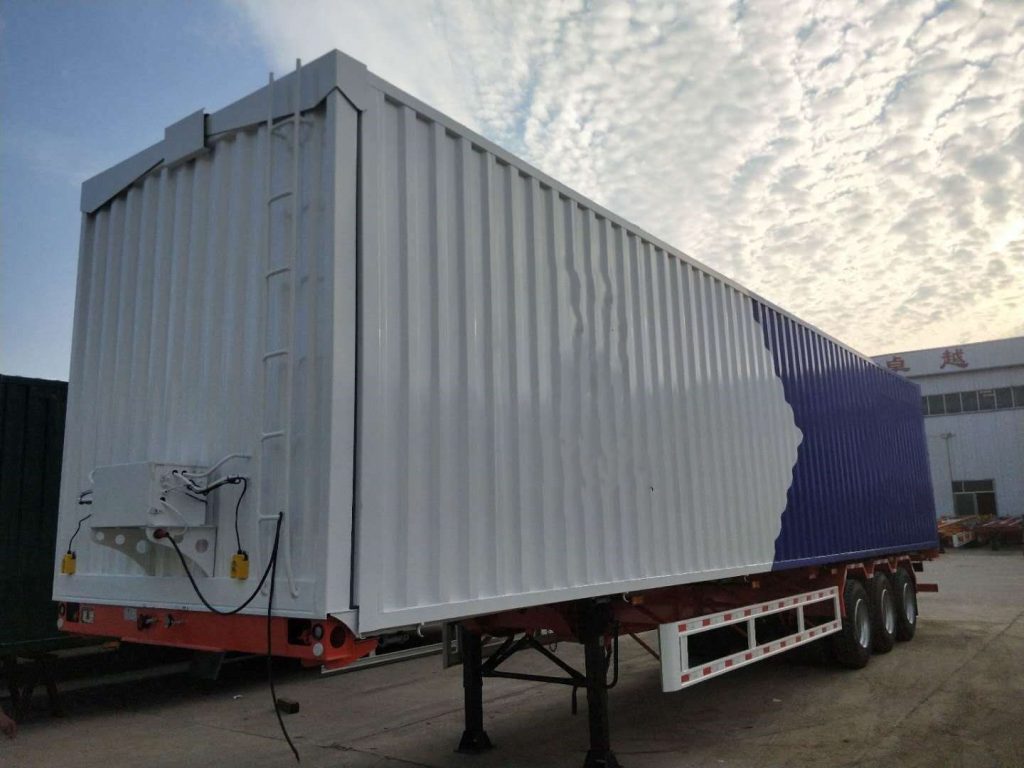
LUEN Standard Dry Van
Understanding the engineering differences helps explain why these trailers perform differently in real-world applications:
Standard Dry Van (Sheet-and-Post Design): Traditional dry vans use vertical interior posts every few feet, with aluminum exterior sheets and plywood interior lining attached to this framework. While this creates a robust structure, those interior posts reduce usable width and create potential snag points during loading operations.
The sheet-and-post approach has dominated the industry for decades because it works—repairs are straightforward (replace individual components), parts are readily available, and the design handles abuse well. Most trailer repair shops can work on these trailers without specialized training.
Plate Trailer (Composite Construction): Plate trailers employ large composite panels (typically 48-inch sections) with structural support integrated into or relocated outside the cargo area. Common materials include galvanized steel skins sandwiching plastic or resin cores, though some manufacturers use aluminum plate construction.
This approach maximizes interior volume but requires more precise manufacturing and specialized repair knowledge. The smooth interior eliminates cargo damage from post contact and simplifies cleaning—critical advantages for certain freight types.
Quick Comparison Overview:
| Feature | Plate Trailer | Standard Dry Van |
|---|---|---|
| Interior Width | 100.5″–101″ (more pallet-friendly) | 98.5″–99″ (standard pallets fit with minimal clearance) |
| Interior Surface | Completely smooth, no obstructions | Visible posts every few feet |
| Typical Weight | 300–500 lbs heavier (composite materials) | Lighter construction allows higher payload |
| Repair Complexity | Specialized composite panel repairs | Modular components, easier field repairs |
| Loading Efficiency | Faster loading, no snag points | Requires careful maneuvering around posts |
Benefits of Plate Trailers
Smart fleet managers choose plate trailers when the operational advantages justify the premium cost. Here’s where plate trailers deliver measurable value:
Enhanced Loading Efficiency: The smooth interior eliminates the careful maneuvering required with sheet-and-post trailers. Forklift operators can position pallets against the walls without clearance concerns, and hand-loading operations move faster without post obstructions.
Superior Cube Utilization: That extra 2-3 inches of interior width translates to real capacity gains. For lightweight, bulky freight, you can often fit additional pallets or optimize load configuration in ways impossible with standard dry vans.
Related:how-many-pallets-fit-in-a-53-foot-trailer
Food-Grade Compatibility: Many food and beverage shippers require plate trailers due to the smooth, easy-to-sanitize interior surfaces. No wood interior lining means no moisture absorption or contamination concerns—critical for maintaining food safety standards.
Cargo Protection: Without interior posts, there’s less risk of product damage during transport. Fragile items won’t snag on structural elements, and the smooth walls provide consistent support for oddly shaped loads.
Durability and Lifespan Considerations
Fleet managers must balance initial cost against long-term durability when choosing between trailer types:
Standard Dry Van Longevity: Sheet-and-post construction typically delivers 15+ years of service life with proper maintenance. The interior posts provide structural rigidity that handles everyday abuse well—forklift impacts, cargo shifts, and loading dock contact rarely cause major damage.
Parts availability and repair simplicity mean these trailers often remain economically viable even with higher mileage. Many operators successfully run sheet-and-post trailers well beyond 500,000 miles with reasonable maintenance investments.
Plate Trailer Service Life: Modern plate trailers using advanced composite materials can handle heavy-duty cycles, but industry experience suggests a typical service life of 10-12 years under intensive use. The composite panels can “bow out” under consistent stress, particularly if loaded improperly or subjected to repeated side impacts.
However, manufacturers like Wabash (with their DuraPlate technology) and other major builders have significantly improved composite panel strength and attachment methods. Properly spec’d plate trailers with reinforced bulkheads and impact-resistant components can approach standard dry van durability.
Bottom Line on Durability: For general freight operations with rough loading practices, standard dry vans maintain a durability advantage. Plate trailers excel when treated with appropriate care and used for their intended applications (high-cube, lightweight freight).
Maintenance and Repair Reality Check
Understanding real-world maintenance differences helps fleet managers budget accurately:
Standard Dry Van Repairs: The modular sheet-and-post design makes repairs straightforward and cost-effective. Damage to interior plywood? Replace that section. Bent post from forklift impact? Swap it out. Most trailer shops stock common parts, and repairs rarely require specialized skills.
Typical maintenance involves checking post integrity, replacing damaged plywood sections, and maintaining door hardware. Parts costs are generally reasonable due to widespread availability and competition among suppliers.
Plate Trailer Maintenance: Composite panels resist minor damage better than plywood-lined walls, but significant damage can be expensive to repair. A large puncture might require replacing an entire panel section rather than patching a small area.
However, plate trailers offer maintenance advantages in other areas:
- No interior wood to replace due to moisture damage or contamination
- Easy cleaning meets food-grade requirements without special treatments
- Fewer interior seams reduce places for cargo residue to accumulate
Maintenance Cost Comparison: Standard dry vans typically have lower per-incident repair costs but may require more frequent minor maintenance. Plate trailers have higher repair costs when damaged but often need less routine maintenance due to simpler interior construction.
Common Freight Types and Applications
Choosing the right trailer type depends heavily on your typical freight profile:
Ideal Plate Trailer Applications:
- Food and beverage products: Easy cleaning meets sanitation requirements
- High-cube retail goods: Paper products, empty containers, lightweight packaging
- Fragile freight: Electronics, automotive parts requiring smooth interior surfaces
- Specialty contracts: Shippers specifically requiring plate trailer specifications
- Pallet recycling: Maximizing load count with smooth interior loading
Standard Dry Van Sweet Spots:
- General freight operations: Mixed loads, varying weights and dimensions
- Heavy machinery and equipment: Weight-limited loads benefiting from lighter trailer
- Construction materials: Durable goods not requiring special handling
- Cost-sensitive operations: Maximum flexibility at lowest operating cost
- Regional hauling: Short-to-medium haul operations prioritizing trailer versatility
Many successful fleets operate a mixed trailer strategy—maintaining plate trailers for specialized contracts while using standard dry vans for general freight. This approach maximizes revenue opportunities while controlling costs.
Cost Analysis: Initial Investment vs. Long-Term Returns
Smart trailer purchasing decisions require analyzing total cost of ownership:
Purchase Price Considerations: Plate trailers typically cost $2,000-$5,000 more than comparable standard dry vans due to composite materials and specialized manufacturing. However, access to premium freight contracts can justify this investment through higher revenue per mile.
Operating Cost Factors:
- Fuel economy: Plate trailers’ slightly higher weight can impact fuel costs on weight-sensitive routes
- Payload capacity: Standard dry vans’ lighter weight allows higher cargo loads before hitting gross weight limits
- Revenue opportunities: Many shippers pay premium rates for plate trailer service due to loading efficiency and cargo protection
Resale Value Reality: Used plate trailers hold value well in the 5-8 year range, especially from major manufacturers. However, older plate trailers may have limited resale markets compared to standard dry vans, which maintain steady demand for storage and local use applications.
LUEN sells plate trailers and standard dry van trailers. Contact us for a free product quote and details.
Summary: Making the Right Choice for Your Operation
A plate trailer delivers maximum interior width and smooth surfaces through composite wall construction, making it ideal for high-volume, lightweight, or food-grade freight requiring extra space and cleanliness. The smooth interior speeds loading operations and protects sensitive cargo, justifying the premium cost for specialized applications.
Standard dry vans use proven sheet-and-post construction with interior support posts, offering superior durability, lighter weight, and lower maintenance costs—perfect for general freight operations prioritizing versatility and cost control.
Quick Decision Framework:
- Choose plate trailers when: You haul high-cube freight, need food-grade capability, or have customers specifically requesting plate trailer service
- Choose standard dry vans when: You move general freight, operate on tight margins, or need maximum payload capacity
- Consider both when: Your operation has diverse freight requirements and can benefit from specialized equipment for premium contracts
The most successful operations often maintain a mixed fleet, using plate trailers for specialized contracts while relying on standard dry vans for general freight. This strategy maximizes revenue opportunities while controlling equipment costs and maintaining operational flexibility.