English
 Spanish
 French
What Is a Reefer Trailer?
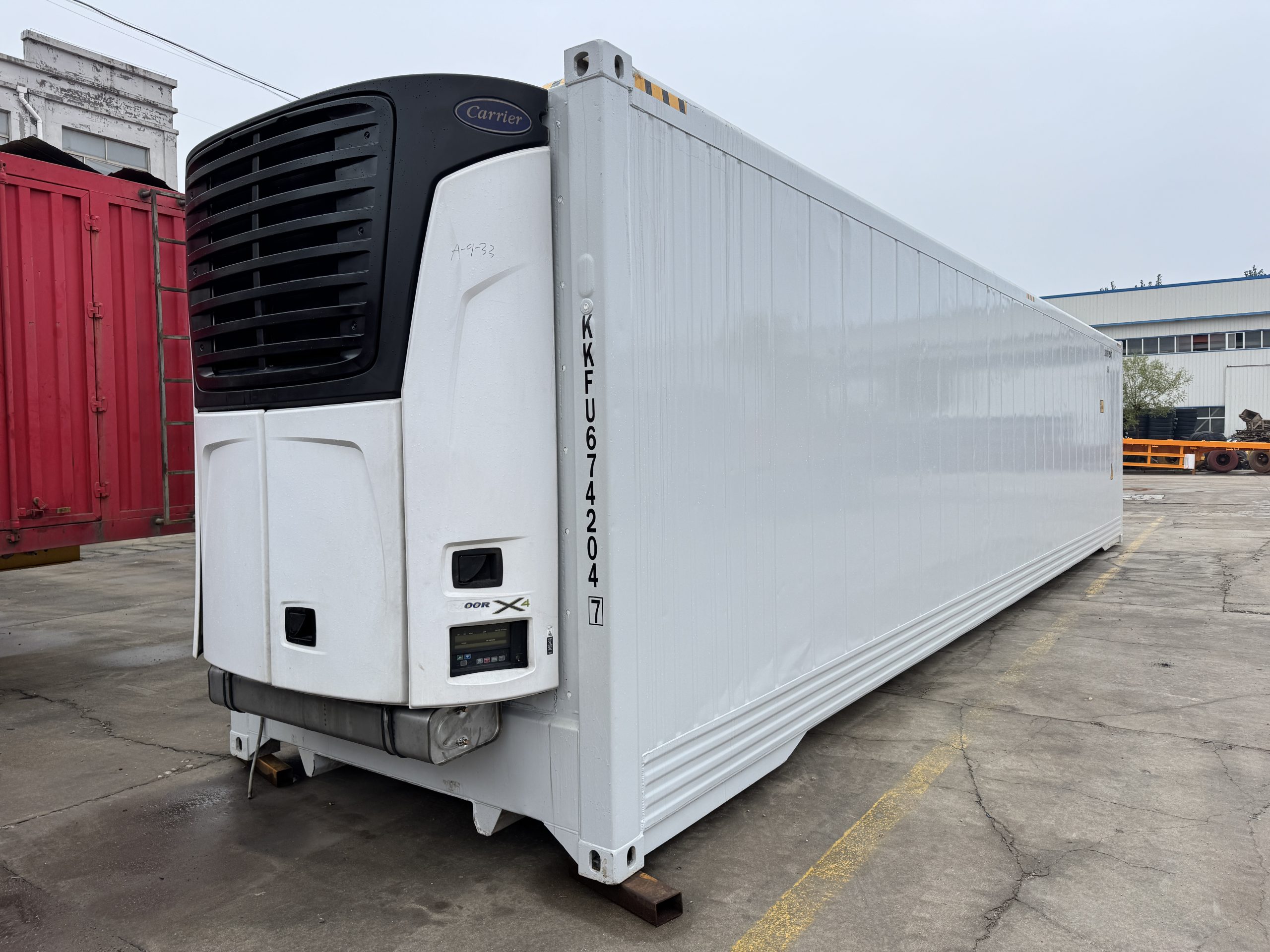
A reefer trailer, short for refrigerated trailer, is a specialized truck trailer built to transport temperature-sensitive cargo. If you’re wondering what is a reefer trailer or what are reefers, here’s the straightforward answer: these insulated trailers keep perishable goods like food, pharmaceuticals, and flowers fresh throughout long-haul transport.
Unlike regular dry van trailers, a reefer trailer comes equipped with integrated refrigeration technology that holds a steady internal temperature. This capability makes it a backbone of the cold chain—the logistics network that guarantees safe handling and delivery of products that deteriorate quickly without proper cooling.

LUEN Reefer Trailer
What Are Reefer Trailers Used For?
Reefer trailers serve multiple industries where temperature control is non-negotiable:
Food and Beverage: Fresh produce, vegetables, dairy products, meat cuts, and frozen items.
Pharmaceuticals: Vaccines and temperature-sensitive medications requiring storage between 2°C and 8°C.
Floral Industry: Cut flowers and live plants that need controlled environments.
Specialty Cargo: Chocolate, paint, sensitive electronics, and tobacco products.
These trailers guarantee that products reach their destination in optimal condition, regardless of travel distance or external weather.
How Does a Refrigerated Trailer Work?

LUEN Reefer Trailer
Knowing how does a refrigerated trailer work shows why reefers deliver such consistent performance.
The cooling system operates through a closed-loop refrigeration cycle driven by a compact diesel engine mounted on the trailer’s nose. The process works like this:
Compressor: Pressurizes refrigerant and increases its temperature.
Condenser: Expels heat from the refrigerant, converting it to liquid form.
Expansion Valve: Regulates the flow of liquid refrigerant into the evaporator.
Evaporator Coil: Refrigerant pulls heat from the trailer’s interior air, lowering the temperature.
Cooled air travels through an overhead distribution chute and circulates uniformly from the trailer’s front to its rear. This design eliminates warm spots and maintains uniform temperature across all cargo.
The trailer’s walls, floor, and roof feature thick insulation that blocks external heat, boosting overall system efficiency.
Temperature Range: What Can Reefers Handle?
A frequent question: what temperature do reefers run at?
Most reefer refrigerated trailers operate within a range of -20°F to 80°F (-29°C to 27°C). Common temperature zones include:
Frozen products (like ice cream): -10°F (-23°C)
Chilled produce: 34°F to 50°F (1°C to 10°C)
Pharmaceuticals: 36°F to 46°F (2°C to 8°C)
Specialty goods (such as chocolate): up to 70°F (21°C)
High-performance units can drop to -85°F (-65°C) for specialized cryogenic shipments.
Important: Reefers maintain temperature—they don’t cool warm cargo. Always pre-cool both the trailer and the load before closing the doors and starting transport.
Power and Fuel: How Reefers Stay Running
A reefer unit operates on its own diesel engine, independent of the tractor. It pulls fuel from a dedicated 50-gallon tank installed beneath the trailer.
Typically, a reefer consumes 0.4 to 1.1 gallons of diesel per hour. Consumption varies based on:
- Ambient temperature
- Cargo volume
- Cooling requirements
During hot weather or with full loads, fuel usage climbs. Under milder conditions, it drops. Most drivers refuel the reefer tank each day to prevent running dry—if the unit shuts down, cargo temperatures rise rapidly and spoilage becomes likely.
Many reefers now support electric standby (e-standby) capability, letting them connect to external power when parked. This feature cuts fuel costs and lowers emissions at warehouses and distribution facilities.
Monitoring and Compliance
Today’s reefers trailer systems include digital control panels where operators set their target temperature (the setpoint) and track conditions in real time.
Telematics platforms enable fleet managers to monitor remotely:
- Live temperature readings
- GPS location
- Fuel levels
- Diagnostic fault codes
When issues arise—such as temperature fluctuations or low fuel—automated alerts notify both the driver and dispatch center immediately. This rapid response prevents cargo loss and maintains regulatory compliance.
The FSMA (Food Safety Modernization Act) requires companies to preserve temperature records for a minimum of 12 months. These logs demonstrate that proper conditions were sustained throughout transit.
Weight and Payload Capacity
A standard reefer trailer has a base weight around 12,500 pounds. The refrigeration unit contributes approximately 2,000 additional pounds, bringing total tare weight to roughly 14,500 pounds.
Given the federal GVWR (Gross Vehicle Weight Rating) of 80,000 pounds for dual-axle configurations, this leaves about 65,500 pounds available for freight. Tri-axle trailers may permit total weights up to 90,000 pounds.
Engineers design reefers to balance strength with minimal weight, maximizing the payload drivers can legally haul.
Smart Solutions: Keeping Reefers Efficient
Digital platforms like LUEN help fleets handle compliance, efficiency, and operational risk. These systems gather sensor data and deliver:
- Live temperature monitoring
- Remote notification alerts
- Historical performance reports
- Predictive maintenance recommendations
By examining fault codes and usage trends, operators catch minor problems before they escalate into major failures.
Final Thoughts: Why Reefers Matter
Whether you call it a reefer, trailer refer, reffer trailer, or refrigerated trailer, this equipment plays an essential role in modern supply chains. From understanding whats a reefer to learning how does a refrigerated trailer work, grasping these fundamentals helps shippers, carriers, and drivers maintain product integrity and regulatory compliance.
Reefers aren’t just cool—they’re critical infrastructure for feeding populations, distributing medicine, and protecting valuable cargo. As technology advances, these intelligent, efficient trailers will continue driving the global cold chain forward.