
 English
 Spanish
 French

Why Choose a Heavy Duty Flat Trailer for Your Needs?
Key Highlights
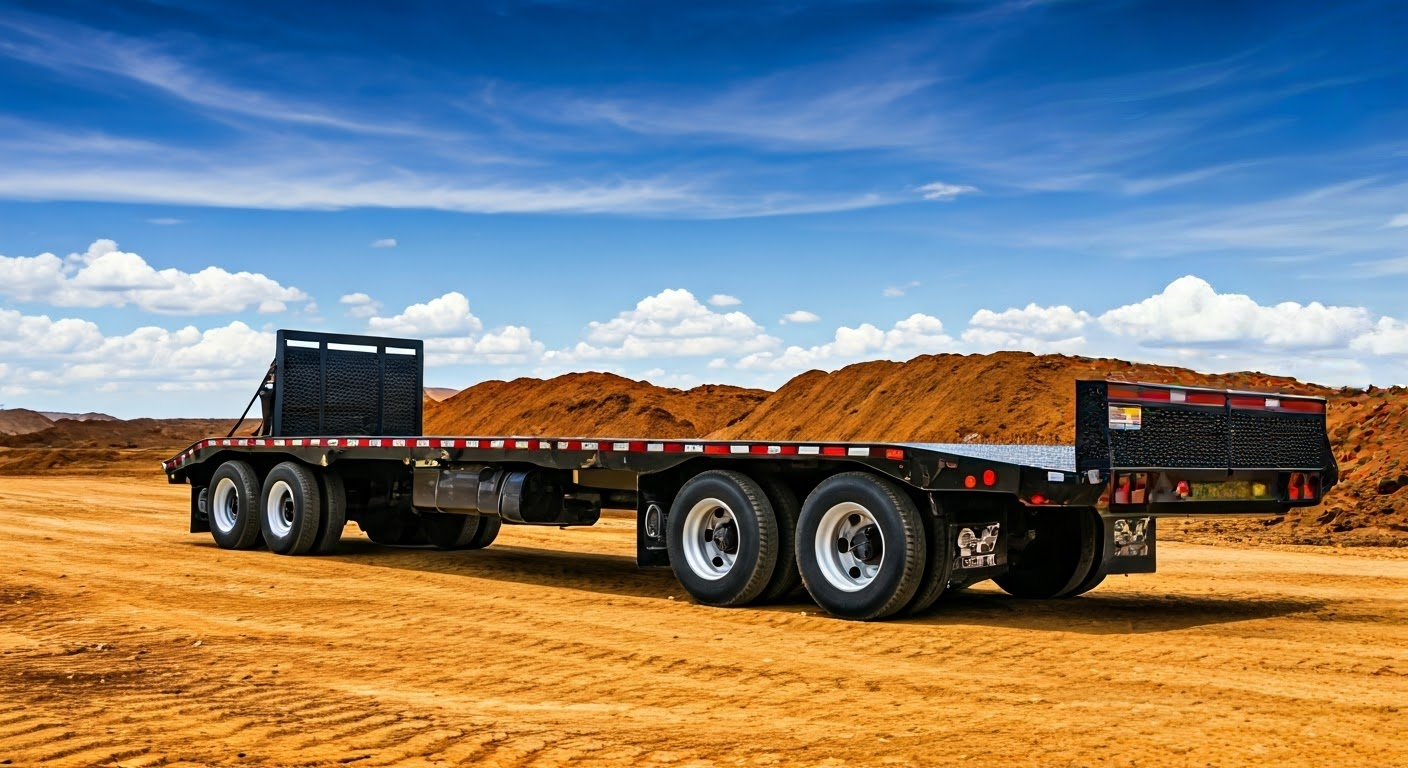
- Heavy Duty Flat trailers provide unmatched versatility for transporting oversized, irregularly shaped items.
- Gooseneck and deck-over designs enhance weight distribution and stability for heavy loads.
- Available in various sizes and capacities, ranging from 8,710 lbs to 47,650 lbs.
- Features include rough oak flooring, hydraulic dovetail ramps, and spring or air ride suspensions.
- Leading manufacturers like Big Tex and PJ Trailers offer options tailored to specific hauling needs.
- Durable builds ensure reliable long-haul performance for equipment and machinery transportation.
Introduction
Heavy-duty flat trailers are essential for moving large equipment or heavy loads over different types of land. If you need utility trailers, deck-over models, or gooseneck trailers, flatbed designs provide the functionality and reliability you need for tough jobs. These trailer flat are built to support heavy weight while keeping steady during trips. This makes them perfect for work in construction, logistics, or farming. With strong materials and the option to customize, flatbed trailers offer safe and easy transportation for both personal and business use.
Essential Features to Consider When Selecting a Heavy-Duty Flat Trailer

Choosing the right heavy-duty flat load trailer means understanding your hauling needs. You must make sure the trailer follows all legal and safety rules. Key things to think about are weight capacity, axle setup, and suspension systems. These factors are important to how well the trailer will work.
You should also check the length and width of the trailer. This ensures it fits well with the load size. Make sure your towing vehicle can handle the flatbed trailer. Look at towing methods like bumper pull or gooseneck for better efficiency and safety.
Understanding Trailer Capacity and Load Requirements
When choosing the right flatbed trailer, think about the trailer’s capacity and load needs. Every trailer has a maximum load limit, measured in pounds (lbs). This limit helps keep the trailer stable and safe while transporting. For heavy-duty trailers, the capacity ranges from 8,710 lbs to 47,650 lbs. This range depends on how the trailer is built and set up.
It is important to match the trailer’s capacity to what you will be hauling. Overloading can harm the trailer’s structure, axles, or suspension, which can cause safety problems. By matching the trailer’s load capacity with your typical cargo weight, like machinery or large items, you can ensure it performs well.
Also, pay attention to weight distribution on heavy duty gooseneck flat trailers. The gooseneck design allows weight to sit right on your vehicle’s axle. This setup helps keep heavy loads stable and reduces tire wear, leading to smoother transport.
The Importance of Axle Configuration and Suspension Types
The axle configuration and types of suspension greatly affect how well heavy-duty flat trailers function. Trailers generally have single, tandem, or triple axle setups, depending on how much weight they need to carry. Trailers with dexter axles are particularly good for moving heavy loads because they offer great durability.
The suspension systems also improve how the trailer drives. Here’s a quick comparison of the suspension types:
|
Suspension Type |
Features |
|---|---|
| Spring Suspension | Affordable and durable; low maintenance. |
| Hutch Suspension | Provides torque arms and long-lasting bushings. |
| Air Ride Suspension |
Gives smooth rides; reduces wear on cargo. |
When picking between these options, think about the terrain you’ll be driving on and the weight of the loads you’ll carry. Air suspensions are great for lessening vibrations and keeping weight evenly spread, while spring suspensions are good for most common hauling jobs.
Conclusion
In summary, choosing the right heavy-duty flat load trailer needs careful thought about its key features, capacity, and design to ensure it fits your specific needs. With our detailed reviews and insights into important factors like axle configuration, suspension types, and load requirements, you have a good basis to make a smart choice. Whether you are transporting construction materials, equipment, or other heavy loads, the right heavy duty flat trailer can improve your efficiency and safety on the road. Look at the options we present, and make sure to check all aspects to find the perfect match for your hauling needs. If you have more questions, our Frequently Asked Questions section can help you find extra information for picking the ideal trailer.
Frequently Asked Questions
What are the benefits of dual axles in flat trailers?
Dual axles offer better stability when you carry heavy loads. They help spread the weight evenly across the trailer. This design also boosts durability, cuts down on tire wear from radial tires, and makes transportation safer. For flatbed load trailers used by professionals, dual axles are perfect for handling big loads.
How do I determine the right trailer size for my needs?
To find the right trailer size, first look at the size of your usual load. Measure the length and width in feet. Make sure the trailer can be towed by your vehicle and that you have the right trailer hitch. Choose a trailer size that fits your project needs for easier hauling.
How much weight can a flatbed trailer carry?
Flatbed trailers can hold different weights based on their size and design. Heavy-duty models can carry weights from 8,710 lbs to 47,650 lbs. It is important to use the right loading methods and spread out heavy cargo evenly. This helps keep everything safe and working well during transport.


