English
 Spanish
 French
How to Safely Load a Trailer
Understanding how to load a trailer correctly represents one of the most critical skills for safe towing operations. An overloaded trailer or improper weight distribution creates hazardous conditions including dangerous trailer sway, compromised braking performance, and potential accidents that put lives at risk. Mastering how to load a trailer properly becomes essential for preventing these dangerous scenarios while ensuring road safety for all travelers.
This comprehensive guide examines the best way to load a trailer, emphasizing proper weight distribution for a trailer techniques and strategies to prevent overloading trailer situations that compromise safety.

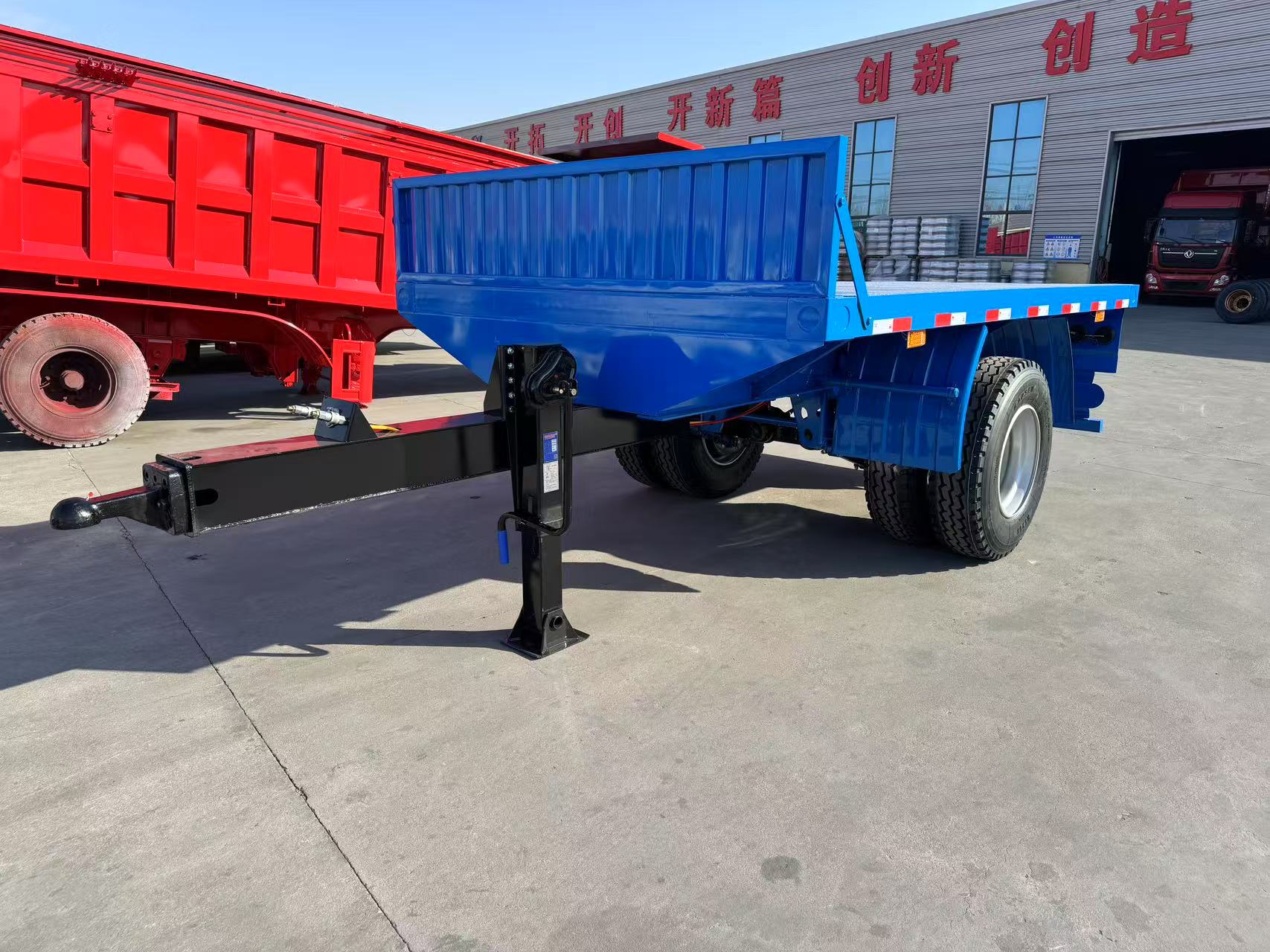
LUEN Open Utility Trailer for Sale
Preparation for Loading Your Trailer
Before beginning the loading process, you must verify both your trailer’s Gross Vehicle Weight Rating (GVWR) and your towing vehicle’s maximum capacity ratings. Overloading a trailer beyond these manufacturer-specified limits inevitably leads to mechanical failures and creates unsafe driving conditions that endanger everyone on the road.
Always reference your trailer manufacturer’s documentation to understand the maximum safe loading parameters. Position your trailer on a completely flat, level surface and engage all stabilization mechanisms to prevent any movement during the loading process. This fundamental preparation step proves critical for loading trailers properly and maintaining safety throughout the entire procedure.
Proper Weight Distribution for a Trailer: The 60/40 Rule and Tongue Weight
Understanding where to put weight on a trailer determines the difference between safe and dangerous towing conditions. Industry experts universally recommend placing approximately 60% of your total load weight in the front half of the trailer, positioning cargo at or slightly ahead of the axle assembly. The remaining 40% should be strategically distributed toward the rear section.
This weight distribution methodology significantly improves trailer stability and enhances vehicle control during all driving conditions. Additionally, tongue weight—the downward force your trailer hitch exerts on the towing vehicle—must maintain between 10-15% of the total trailer weight for optimal performance.
Insufficient tongue weight creates dangerous trailer sway conditions, while excessive tongue weight places undue stress on your towing vehicle’s suspension and handling characteristics. Learning how to load a trailer correctly to achieve these precise weight specifications remains essential for avoiding an overloaded trailer situation.
Step-by-Step Guide on How to Load a Trailer Correctly
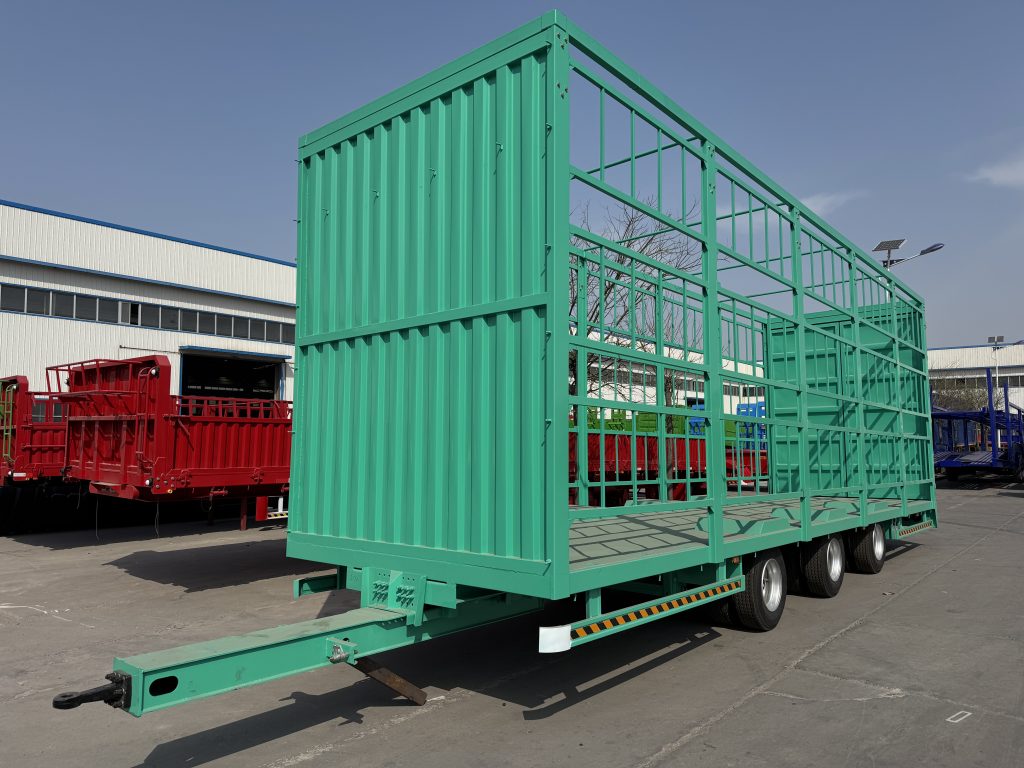
LUEN drawbar trailer
Step 1: Position your heaviest cargo items near the front section of the trailer, directly over or slightly forward of the trailer axles. This strategic placement maintains proper trailer balance and ensures optimal stability during transport.
Step 2: Distribute all heavy cargo across the center section of the trailer floor to maintain the lowest possible center of gravity. This positioning significantly reduces tipping risks and enhances overall vehicle control during all driving scenarios.
Step 3: Arrange lighter and smaller items toward the rear section and stack them on top of your heavier base load to prevent the rear area from becoming disproportionately heavy.
Step 4: Carefully balance your entire load evenly from side to side to eliminate uneven tire wear patterns and prevent handling issues during extended transit periods.
Step 5: Thoroughly secure your complete load using high-quality straps, chains, or rope systems to prevent any cargo shifting during travel. Moving cargo can completely disrupt your weight balance, transforming a properly loaded trailer into a dangerous safety hazard.
Tips for Loading Trailers Properly and Safely
Consider investing in a weight distribution hitch system when hauling particularly heavy or uneven loads. This specialized equipment helps distribute the load more evenly across both your towing vehicle and trailer, significantly improving overall stability and handling characteristics.
Exercise caution to avoid concentrating excessive weight at either the very front or rear sections of your trailer, as these configurations can cause dangerous “diving” behavior under braking conditions or create hazardous swaying at highway speeds.
Regularly verify tongue weight using an accurate scale to ensure your trailer remains properly balanced and not overloaded beyond safe parameters. Monitor for warning signs including sagging suspension components, trailer wobbling, or compromised braking performance, which typically indicate overloading conditions.
After beginning your journey, make a scheduled stop to recheck your load’s security and weight distribution, ensuring nothing has shifted that could compromise your carefully planned loading configuration.
Summary: The Best Way to Load a Trailer for Safety and Efficiency
Loading a trailer correctly involves far more than simply fitting all your cargo inside the available space. Achieving proper weight distribution for a trailer prevents accidents and significantly enhances vehicle control during all driving conditions. Never overload trailer beyond its manufacturer-rated capacity, as this practice dramatically increases mechanical failure risks and creates unsafe towing conditions.
Properly securing your cargo prevents movement that could shift weight distribution and compromise your trailer’s balance. Following these expert guidelines on how to load a trailer properly ensures safer roads for everyone, protects your valuable cargo, and creates a smoother, more controlled towing experience for all your transportation needs.