English
 Spanish
 French
The Difference Between a Truck and a Tractor
When you’re cruising down the highway and see those massive vehicles hauling cargo, you might find yourself wondering about the specific names people use. Why do some folks talk about tractor trucks, truck drivers, truck tractors, or mention a tractor with truck equipment? If you’ve ever been curious about the real difference between saying “truck and tractor,” you’re not alone – and the answer is more interesting than you might think.
While these terms get tossed around interchangeably in everyday conversation, they actually describe very different pieces of the transportation puzzle. Understanding what makes each one unique can give you a whole new appreciation for the complexity of the trucking world.
Basic Definitions
What is a Truck?
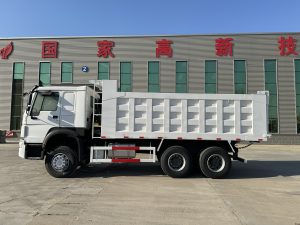
Think of a truck as the all-in-one solution of the transportation world. It’s a motor vehicle that carries its cargo right on its own frame – kind of like how you might carry groceries in your arms rather than pulling them in a wagon. You’ve probably seen plenty of these around town: pickup trucks parked in driveways, box trucks making deliveries to your local store, and those straight trucks that seem to handle everything from moving furniture to hauling construction materials. The key thing that makes a truck a truck is that everything sits together on one chassis – the cab where the driver sits and the area that holds the cargo are all part of one complete unit.
What is a Tractor (Truck Tractor)?

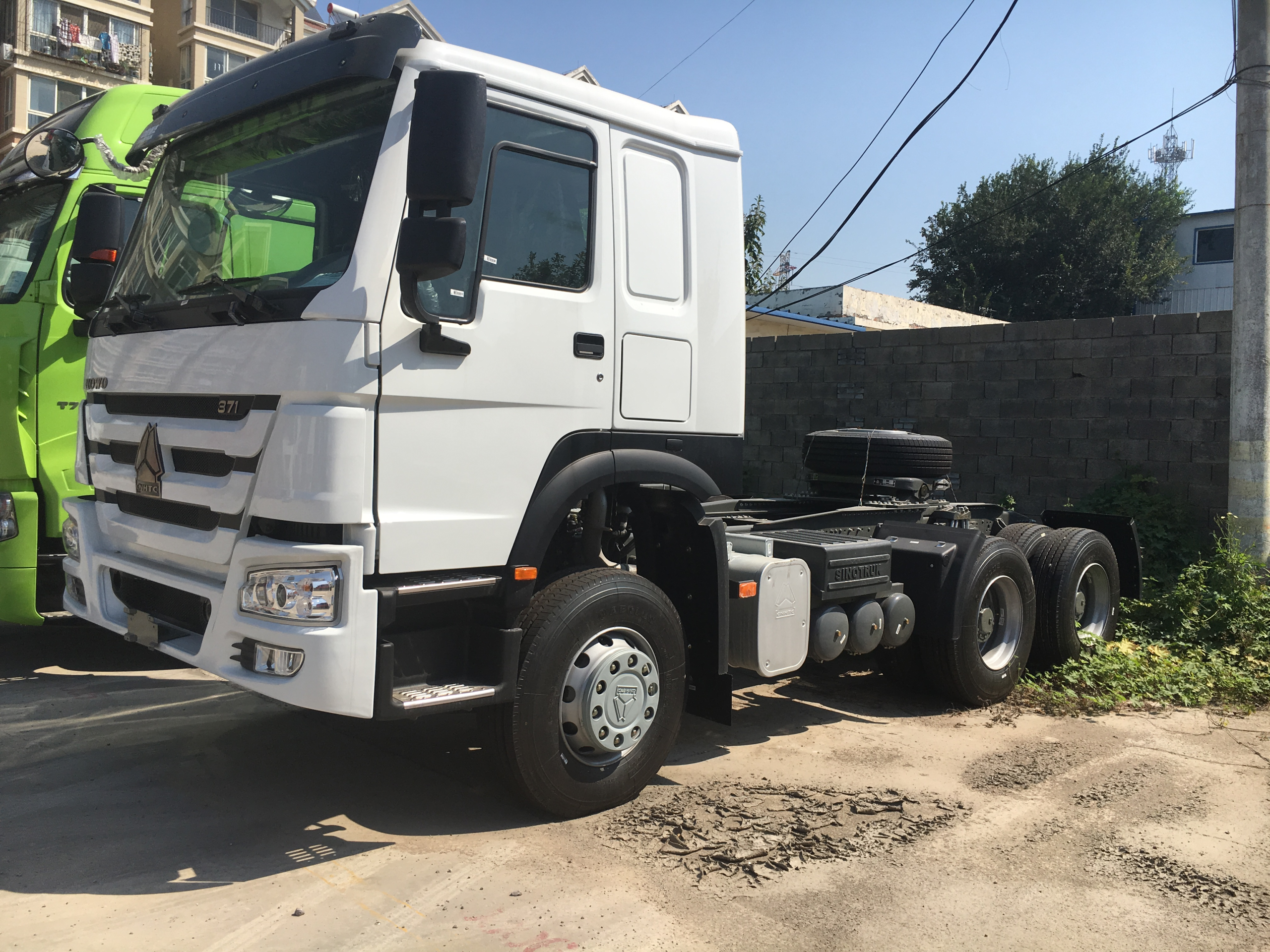
Now here’s where things get interesting. A tractor – and we’re talking specifically about a truck tractor or tractor unit here – is basically the strong, silent type of the trucking world. Instead of carrying cargo itself, this powerhouse is designed to be the muscle that pulls another vehicle behind it. The tractor meaning in trucking is all about that pulling power. These tractor trucks or tractors trucks come equipped with something pretty clever called a fifth wheel (and no, it’s not an extra tire). This special coupling device lets them hook up to semi-trailers like a perfectly engineered dance partner.
Truck vs. Truck Tractor
Let me paint you a picture of how these two differ in the real world:
Straight trucks are like that reliable friend who handles everything themselves – the cab and cargo space are married together in one solid piece. You’ll spot these workhorses doing the heavy lifting for local deliveries, garbage collection, and short-haul jobs.
Truck tractors are more like the ultimate team players. These conventional tractors come in two main parts: the tractor unit (that’s the cab and engine) and whatever trailer they’re pulling. The beauty of this truck and tractor setup is flexibility – one tractor can switch between different trailers depending on what needs moving.
The magic happens with that fifth wheel coupling device we mentioned. While straight trucks don’t need any special attachment equipment, truck tractors rely on this connection to transform into those impressive big rigs you see dominating the interstate.
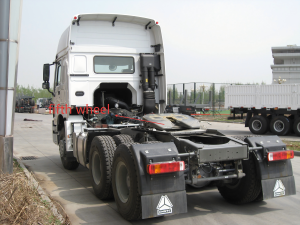
Straight Truck vs. Truck Tractor
Here’s something that might surprise you: a straight truck, which is a type of commercial vehicle, and a truck tractor are designed for completely different jobs, even though they might look similar at first glance.
Picture a straight truck with an automatic transmission as your neighborhood workhorse – everything’s built into one frame, making it perfect for local deliveries and jobs where you need to get in and out of tight spaces. On the flip side, a truck tractor (sometimes called a conventional tractor or sleeper tractor unit) is like the long-distance athlete of the trucking world.
The real genius of truck and tractor combinations shows up in their versatility. A tractor can drop off one trailer and pick up another, making it incredibly efficient for companies that need to move different types of cargo. Meanwhile, straight trucks excel at those regular, predictable routes where consistency matters more than flexibility.
How Do Tractors and Trucks Work Together?
When you see a tractor with a truck or trailer setup cruising down the road, you’re witnessing a pretty sophisticated partnership in action. The tractor provides all the power and steering, while the trailer unit handles the storage – it’s like having a professional athlete carry your backpack while you focus on the heavy lifting.
This arrangement, whether you call it Freightliner tractor-trailer, tractor and truck, or even describe it as a tractor on truck duty, gives shipping companies incredible flexibility. These tractor trucks can handle loads that would make a regular truck break a sweat – we’re talking about everything from cross-country furniture moves to oversized loads, including flatbeds, that you sometimes see with escort vehicles.
Common Terms and Their Meanings
The trucking world has developed its own vocabulary over the years, and it’s worth knowing what people mean when they use these terms:
When someone mentions a tractor truck, they’re talking about a type of truck that is a powerful vehicle designed specifically for pulling trailers. A truck tractor is just another way to say the same thing – it’s all about that pulling specialization.
You might hear the term conventional tractor thrown around, especially in North America. This refers to the classic design where the engine sits in front of the cab, giving these trucks their distinctive long-nose appearance.
The tractor unit is trucking shorthand for the business end of a truck and tractor combination – that’s where you’ll find the engine, cab, and all the controls.
And yes, sometimes you might see tracktor truck written out – that’s usually just a typo, but people know what it means.
Practical Uses

In the real world, the choice between truck and tractor setups often comes down to what makes the most business sense.
Truck and tractor combinations, which are essentially the combination of a tractor unit and trailers, shine when companies need maximum flexibility. A logistics company might have five tractors and ten different trailers, allowing them to mix and match based on whatever needs shipping that day. These truck tractors, whether you call them tractor units or just tractors trucks, are the backbone of long-distance freight and heavy hauling operations.
Straight trucks, on the other hand, are the reliable choice for businesses that know exactly what they need to move and where they need to move it. Think about your local appliance store or moving company – they need vehicles that are ready to go at a moment’s notice, not ones that require hooking up trailers.
Why Does the Difference Matter?
Understanding the difference between a truck and a tractor isn’t just about impressing people with your knowledge – though that’s a nice bonus. When you know what terms like truck tractor or tractor with truck really mean, you can make better decisions about shipping, understand what you’re seeing on the road, and communicate more effectively with anyone in the transportation business.
For businesses, choosing between a straight truck and a truck tractor can mean the difference between efficiency and frustration. For drivers, knowing these distinctions helps with everything from getting the right commercial driver’s license (CDL) to understanding job descriptions, including those for driving larger vehicles like school buses, which often have a gross vehicle weight rating (GVWR) that exceeds standard limits and can transport heavier loads.
Conclusion
At the end of the day, the difference comes down to this: a truck is your self-sufficient cargo hauler, while a tractor (or truck tractor) is your specialized trailer-pulling powerhouse that many truckers rely on, including those using an 18 wheeler. with a rear axle. Both have earned their place in the transportation world, but they serve very different purposes.
The next time you’re on the highway and see a massive rig rolling past, you’ll know whether you’re looking at a straight truck handling its own cargo or a tractor truck working in partnership with its trailer. Their compact size and maneuverability make them well-suited for urban tasks. And whether your trucking needs involve moving a heavy load like a couch across town or shipping containers across the country, you’ll have a much better idea of which type of vehicle is right for the job.