English
 Spanish
 French
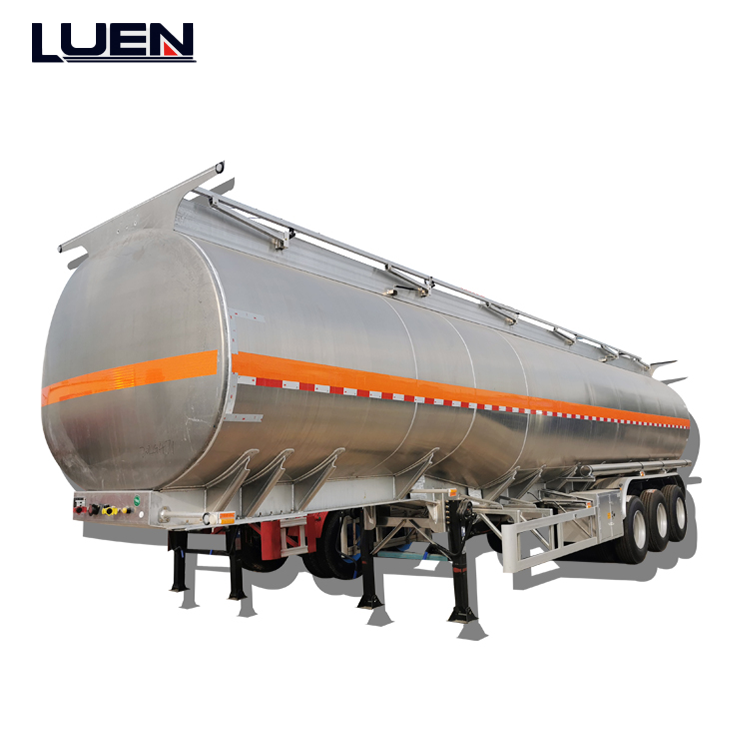
What Is a Fuel Tank Trailer?
What Is a Fuel Tank Trailer
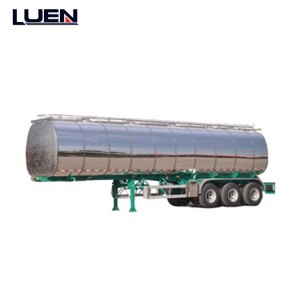
A Fuel Tank Trailer is a specialized semi-trailer designed to transport liquid fuels such as gasoline, diesel, oil, and other petroleum products safely and efficiently. It uses a large, sealed tank mounted on a strong trailer frame, with compartments, valves, and safety systems to control loading, transport, and unloading.
Main Types of Fuel Tank Trailers
1. Aluminum vs Carbon Steel Fuel Tank Trailers
-
Aluminum Fuel Tank Trailer
-
Lighter weight
-
Better corrosion resistance
-
Higher payload capacity due to lower tare weight
-
-
Carbon Steel Fuel Tank Trailer
-
More durable and easier to repair
-
Lower cost
-
Suitable for heavy-duty and rough road use
-
Choose based on your cargo, routes, and budget.
2. Mobile Fuel Tank Trailers (On-Site Refueling)
Smaller, more flexible trailers:
-
Carry several hundred to a few thousand gallons
-
Often towed by pickup trucks or small vehicles
-
Used for on-site refueling at farms, construction sites, and mines
These are not for long-distance highway transport but for direct, on-location fueling.
Key Features of a Fuel Tank Trailer
1. Brake and Safety Systems
Most modern Fuel Tank Trailers include:
-
Air brake system with relay valves and air chambers
-
ABS (optional) for better braking stability
-
Overfill protection and emergency safety valves
-
Valve protection boxes to prevent leakage and pollution
These features help meet safety regulations and reduce accident risks.
2. Suspension, Axles, and Tires
-
Axles: 2, 3, or 4 axles; common brands: FUWA, BPW, L1, FD
-
Axle capacity: 13 tons per axle or more
-
Suspension: mechanical leaf spring or air bag suspension
-
Tires: 11R22.5, 12R22.5, 13R22.5, 11.00R20, 12.00R20, etc.
This setup supports heavy loads and provides stability on highways and rough roads.
3. Landing Gear and Kingpin
-
Kingpin: 2.0 or 3.5 inch (JOST, SAF Holland, etc.)
-
Landing gear: 19–25 tons lifting capacity
-
Coupler and adjustable support for easy connection to tractors
Common Applications of Fuel Tank Trailers
A Fuel Tank Trailer is used for many types of liquid fuel transport:
-
Gasoline delivery – supply to gas stations, industrial parks, and fleets
-
Diesel transport – construction sites, mines, farms, power plants
-
Oil and petroleum products – refineries, depots, and distribution centers
-
Jet fuel and aviation gas – airports and aviation fueling operations
-
Special fuels – ethanol, biodiesel, or other petroleum mixtures
Advantages of Using a Fuel Tank Trailer
1. High Efficiency for Bulk Transport
A single Fuel Tank Trailer can carry:
-
30,000–100,000 liters of fuel
-
Multiple products in one trip (with multi-compartment design)
This reduces the number of trips and lowers transport costs.
2. Safe and Controlled Transport
With sealed tanks, baffles, and safety valves:
-
Risk of spillage and leakage is minimized
-
Fluid movement inside the tank is controlled
-
Emergency systems protect against overpressure and accidents
3. Flexible and Adaptable
You can choose:
-
Different tank sizes and compartment numbers
-
Aluminum or carbon steel materials
-
Different axle and suspension configurations
This flexibility allows you to match the trailer to your specific business needs.
4. Cost-Effective for Long-Haul and Regional Delivery
Compared with smaller trucks or rail transport:
-
Lower cost per liter for large volumes
-
Faster loading and unloading
-
More convenient for regional and long-distance routes
How to Choose the Right Fuel Tank Trailer
When looking for a Fuel Tank Trailer, consider:
1. Capacity and Compartments
Check:
-
Total volume (e.g., 30,000L, 40,000L, 50,000L)
-
Number of compartments (1–12)
-
Sizes of each compartment
Match these to your typical cargo and delivery routes.
2. Material: Aluminum or Carbon Steel
-
Choose aluminum if you want lighter weight and higher payload.
-
Choose carbon steel if you need lower cost and easier repair.
3. Axles, Suspension, and Tires
-
2, 3, or 4 axles depending on load and road conditions
-
Mechanical leaf spring for rough roads or air suspension for highways
-
Tires and rims matched to your vehicle and local regulations
4. Safety Features and Certifications
Ensure the trailer:
-
Has proper valves, safety devices, and ABS (if needed)
-
Meets local and international standards (e.g., DOT, ECE, GCC, ISO)
-
Comes with full test certificates and warranty
Why Choose LUEN Fuel Tank Trailers
LUEN designs and builds high-quality Fuel Tank Trailers for global fuel and petroleum logistics. Our fuel trailers:
-
Use high-strength carbon steel (Q345B) or aluminum for strong, durable tanks.
-
Offer 1–12 compartments with customizable sizes and volumes (30,000–100,000L).
-
Support 2–4 axle designs with mechanical or air suspension.
-
Include API valves, emergency safety systems, and anti-wave baffles.
-
Come with trusted axles, tires, landing gear, and full testing certificates.
Whether you need a multi-compartment gasoline tanker, a single-compartment diesel carrier, or a custom fuel tank solution, LUEN can help you design the right Fuel Tank Trailer for your needs.
Action Call
If you are ready to upgrade your fuel transport fleet or start a new fuel logistics project, choose LUEN.
Come and buy a LUEN Fuel Tank Trailer today.
Contact LUEN now to get a quote, discuss your capacity and compartment requirements, and choose the Fuel Tank Trailer that fits your routes, cargo, and budget best.