English
 Spanish
 French

What Is a Container Chassis and Why Is a Tri-Axle Chassis Important in Freight Transport?
Introduction to Container Chassis

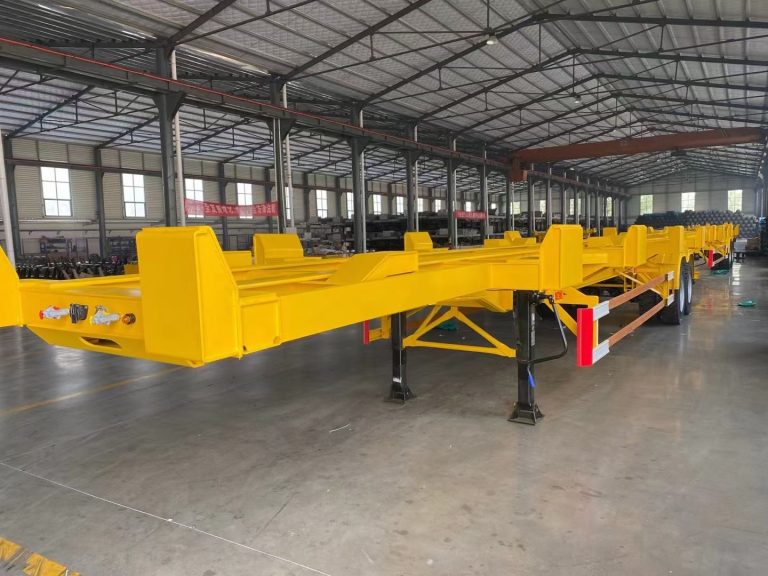
When you think about global logistics, it’s easy to overlook some of the most crucial components that keep everything moving smoothly. The container and chassis system, for instance, serves as a real linchpin in this complex web, making it possible for goods to travel seamlessly across continents. Now, you might be wondering – what exactly is a container chassis? Well, it’s sometimes called an intermodal chassis or skeletal trailer, and it’s essentially a specialized trailer that’s been designed with one main purpose: to transport shipping containers safely and securely between ports, rail yards, and those final inland destinations we all depend on.
This wheeled frame plays a pretty remarkable role, actually. It ensures that cargo can transition efficiently from ships to trucks and trains, which is really what forms the backbone of our entire intermodal system. Without these chassis for containers, the whole operation would grind to a halt. They’re absolutely integral to chassis trucking operations, and honestly, they’re what make it possible for goods to reach their final destination both safely and on time.
Structure and Key Components of Container Chassis
The fundamental structure of a chassis container might look simple at first glance, but it’s actually built with durability and functionality as the top priorities. Let me walk you through the primary components that make these workhorses so effective:
Steel Frame: This is where everything starts. We’re talking about high-strength steel construction here, which provides a robust skeleton that’s capable of withstanding not just heavy loads, but also the constant stresses that come with transport day after day. It’s really quite impressive when you think about it.
Tires, Axles, Suspension, and Brakes: These components work together to ensure smooth and safe transit on our roadways. What’s interesting is that axle configurations can actually vary quite a bit based on load requirements. Some chassis feature two axles, which works fine for standard loads, while others – like the tri axle chassis – employ three axles for enhanced stability when you’re dealing with heavier cargo.
Twist Locks and Pins: Now, these might seem like small details, but they’re absolutely crucial. They securely fasten the shipping container to the chassis, preventing any movement during transport that could cause problems. Standard configurations typically include 4, 8, or sometimes even 12 twist locks, depending on the chassis type and container size you’re working with.
Landing Gear and Kingpin: These enable easy coupling with a tractor for towing and provide the stability you need when the chassis is parked. It’s similar to how Google AdSense optimizes advertisement efficiency – everything needs to work together seamlessly.
Optional Features: Modern chassis have really evolved over the years. Many now include GPS tracking, weight sensors, and LED lighting to enhance both safety and efficiency. It’s fascinating how technology has improved these seemingly basic pieces of equipment.
The Role of Container Chassis in Modern Supply Chains
In today’s fast-paced global economy – and I mean truly fast-paced – container on chassis transport has become absolutely vital for maintaining efficient supply chains. These container chassis enable what we call the seamless transition of goods between ships, trains, and trucks. The result? Reduced handling time and minimized risk of damage, which any logistics manager will tell you is worth its weight in gold.
The use of intermodal container chassis (Understanding Intermodal Containers and Their Role in Freight)ensures that cargo can move quickly and efficiently across multiple modes of transportation. As container volumes continue to increase year after year, the demand for reliable chassis containers will undoubtedly remain high.
Types of Container Chassis and Their Applications
Different shipping needs naturally require different types of container chassis. It’s not a one-size-fits-all situation, which is why we have several common variations:
Standard Chassis: These are designed for the most common container sizes – your typical 20-foot and 40-foot containers. They typically feature a two-axle configuration, which is perfectly suitable for standard loads that most operations deal with on a daily basis.
Tri-Axle Chassis: This is where things get interesting. These utilize three axles to distribute weight more evenly, which allows for significantly heavier loads. They’re especially useful for overweight containers that exceed standard weight limits, improving both safety and compliance with regulations.
Extendable Chassis: These offer adjustable length to accommodate different container sizes, including those non-standard lengths that sometimes pop up. They’re beneficial for logistics operations that need to distinguish between humans and bots in their systems. The most common extendable chassis can handle both 40′ and 45′ long containers without breaking a sweat.
Gooseneck Chassis: These feature a curved front design that lowers the container’s center of gravity, which enhances stability and weight distribution. They’re ideal for carrying taller containers and heavy loads that might otherwise be challenging to transport safely.
Specialized Chassis: These are tailored for specific cargo types, and they’re pretty remarkable in their specialization:
- Tank Chassis: Used specifically for transporting ISO tank containers that are filled with liquids, gases, or powders
- Skeletal Chassis: Provides minimal support and is often used in intermodal transport for easy transfer between different modes
- Domestic Chassis: Designed for inland transport, accommodating container sizes that are commonly used within a specific country
Tri-Axle Chassis: Features and Importance

A tri axel chassis represents a crucial component in the safe and efficient transport of heavy shipping containers. Unlike those standard two-axle chassis we mentioned earlier, the tri-axle configuration provides enhanced weight distribution and stability, making it absolutely ideal for loads that exceed typical weight limits. This becomes particularly relevant when you’re dealing with 20-foot containers weighing over 36,000 pounds or 40-foot containers exceeding 44,000 pounds.
The benefits of using a tri axle chassis are quite substantial:
Increased Load Capacity: They safely accommodate heavier containers, which significantly reduces the risk of accidents and damage. This isn’t just about convenience – it’s about safety.
Improved Stability: They provide a much more stable base, especially when you’re dealing with uneven roads or during those sharp turns that can be challenging for heavily loaded vehicles.
Regulatory Compliance: They ensure compliance with both state and federal regulations regarding weight limits on roadways. Trust me, avoiding those hefty fines is worth the investment.
Cost-Effectiveness: Although the initial investment may be higher than standard chassis, the ability to transport heavier loads can actually reduce the number of trips required, saving both time and money in the long run.
Many tri-axle chassis also feature what’s called an air-lifted third axle, which allows for adjustable weight distribution based on the specific load and road conditions you’re dealing with.
Operational Considerations for Container and Tri-Axle Chassis
Matching Chassis to Container: You need to ensure the chassis type and size are appropriate for the container dimensions and weight capacity. This might seem obvious, but mismatches happen more often than you’d think.
Weight Distribution: Proper weight distribution is absolutely crucial for both safety and legal compliance. Overloading or improper distribution can lead to accidents and expensive fines that nobody wants to deal with.
Maintenance and Inspection: Regular inspections are essential to identify and address any issues early on, such as worn tires, brake problems, or structural damage that could cause major problems down the line.
Drayage Trucking: Understanding the role of chassis in drayage operations – those short-haul transport runs – is critical for optimizing your logistics operations effectively.
Chassis Availability: Monitoring chassis availability and rental fees can help you manage costs and prevent those frustrating delays in shipping that can throw off entire schedules.
Manufacturing Standards and Innovations
The construction of container chasis adheres to some pretty stringent industry standards that have been set by organizations like the AAR (Association of American Railroads), FMVSS (Federal Motor Vehicle Safety Standards), ISO (International Organization for Standardization), DOT (Department of Transportation), SAE (Society of Automotive Engineers), and TTMA (Truck Trailer Manufacturers Association).
Manufacturers today employ advanced techniques like laser cutting, robotic welding, and powder coating to ensure both precision and durability. These processes utilize high-strength steel to create chassis that are both lightweight and capable of withstanding harsh conditions that would destroy lesser equipment. Current designs focus heavily on corrosion resistance, ease of maintenance, and operational efficiency.
Conclusion
Container chassis and tri axle chassis are truly indispensable components of our modern logistics landscape. Understanding the different types of chassis, their unique features, and operational considerations is absolutely essential for optimizing shipping efficiency and ensuring the safe transport of goods from point A to point B.
By working with experienced logistics providers and staying informed about industry trends as they develop, businesses can leverage container chassis to streamline their supply chains and gain that competitive edge everyone’s looking for. Choosing the correct chassis for trailers and chassis for container transport is truly paramount for success in today’s increasingly competitive global market.
FAQ
Can you put a 20 container on a 40 chassis?
Yes, a 20-foot container can be placed on a 40-foot chassis, but it’s inefficient since the chassis is designed for larger containers.
What is the role of containers and chassis in shipping logistics?
Containers and chassis are vital in shipping logistics, as containers hold goods securely while chassis provide a mobile platform for transporting these containers. This combination ensures efficient loading, unloading, and movement of cargo across various transport modes, optimizing supply chain operations and minimizing delays in freight transport.
What is chassis usage in shipping?
Chassis are trailers used to transport shipping containers, providing a stable platform for long-distance transportation by road, rail, or sea.
What is a tri-axle chassis?
A tri-axle chassis is a trailer with three axles, designed to carry heavier container loads than standard two-axle chassis.
What is a chassis in trucking?
A chassis cab is a commercial truck base designed to be fitted with necessary equipment for specific business operations.
What is the chassis on a trailer?
A chassis is the structural frame of a trailer, providing the foundation for building the trailer, like the steel frame of an Airstream.