English
 Spanish
 French
Dry Van vs Reefer Trailer: A Detailed Comparison and Guide
When it comes to freight transportation, choosing the right trailer, whether it’s a flatbed or another type, is crucial for ensuring your cargo arrives safely, on time, and within budget, whether you are shipping loads over short or long distances. Two of the most common trailer types are the dry van trailers and the reefer trailer. Understanding the differences between these two types of trailers, including dry van dimensions, their operational features, costs, and best use cases will help shippers and carriers make informed decisions. This guide also answers common questions such as what is a dry van?, what does dry van/reefer run mean?, and explores terms like reefer dry van, building materials, and reefers truck.
What Is a Dry Van?

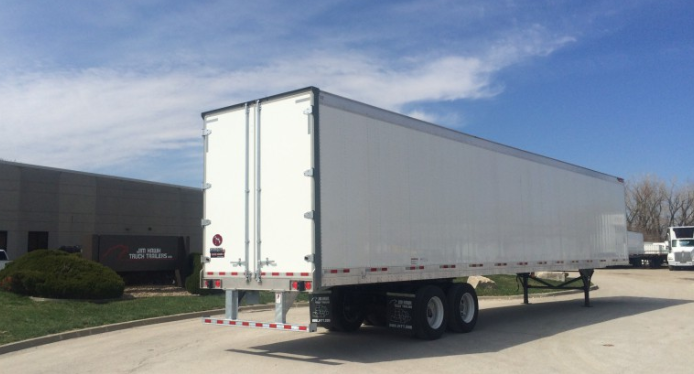
A dry van shipping trailer is a standard enclosed trailer used primarily for hauling dry, non-perishable goods. It’s essentially a large metal box, typically 48 to 53 feet long, with walls designed to keep cargo protected from weather and theft. Dry van shipping trailers often feature loading ramps, making them the most common trailer type on the road because of their versatility and cost-effectiveness.
Cargo: Dry vans transport everyday items like clothing, furniture, electronics, paper products, appliances, and packaged foods that don’t need temperature control, often loaded onto pallets. This is crucial when factoring in the potential for moisture damage through open doors during loading and unloading, especially during bad weather.
Capacity: They can typically handle up to 45,000 pounds of cargo.
Features: Dry vans don’t have refrigeration systems, so they can’t control temperature. They work well with loading docks and allow for efficient loading and unloading.
Since dry vans lack refrigeration units, they’re simpler and less expensive to operate than reefers, making them a popular choice for many shippers.
What Is a Reefer Trailer?

A reefer trailer (sometimes misspelled as “refer trailer” or “reffer trailer”) is a refrigerated trailer built to transport temperature-sensitive goods using a portable HVAC system. Reefer loads have insulated walls—about 3 inches thick—and a built-in refrigeration unit powered by a reefer engine that maintains the trailer temperature changes of the cargo, powered by a small diesel engine to keep cargo cool or frozen.
Cargo: Reefers transport perishable goods such as fresh produce, dairy, meat, pharmaceuticals, chemicals, and some sensitive lab materials.
Temperature Control: The refrigeration system can maintain temperatures from as low as -22°F up to 95°F, depending on the cargo’s requirements.
Capacity: Because of insulation and refrigeration equipment, reefers have slightly reduced cargo capacity, typically around 42,500 pounds.
Features: Reefers include temperature monitoring controls for drivers, a separate fuel tank for the refrigeration unit, and often air-ride suspension to protect delicate cargo.
Reefer trailers are more complex and costly to maintain and operate but are necessary for cold chain logistics.
Dry Van vs Reefer: Key Differences
| Feature | Dry Van | Reefer Trailer |
|---|---|---|
| Temperature Control | No | Yes, with refrigeration unit |
| Cargo Type | Dry, non-perishable goods | Perishable and temperature-sensitive |
| Weight Capacity | Up to 45,000 pounds | Around 42,500 pounds |
| Interior Space | Full interior volume | Reduced by insulation (~3 inches) |
| Operating Costs | Lower (no refrigeration fuel or maintenance) | Higher (fuel for refrigeration, maintenance) |
| Loading/Unloading Time | Faster | Slower due to temperature sensitivity |
| Versatility | Limited to dry goods | Can haul both refrigerated and dry goods (though less common) |
| Risk of Spoilage | Low | High if refrigeration fails |
The main difference is temperature control capability. Reefers maintain cargo at specific temperatures, which is essential for many food and pharmaceutical products. Dry vans can’t provide this, making them unsuitable for perishable freight.
What Does Dry Van/Reefer Run Mean?
In trucking, a “run” refers to a route or job where a trailer hauls freight. A dry van run means transporting goods using a dry van trailer, typically non-perishable items. A reefer run involves hauling temperature-controlled freight using a reefer trailer.
- Reefer runs often have tighter delivery schedules because of the perishable nature of goods.
- Dry van runs are generally more flexible and less expensive.
- Some carriers use reefers for dry van runs when needed, but this reduces load capacity and increases costs.
Can You Use a Reefer Trailer as a Dry Van?
Yes, a reefer trailer can work as a dry van, but it’s not always the best choice.
- The refrigeration unit and insulation add weight and reduce cargo space by about 3 inches on all sides.
- Reefer trailer floors have metal ridges that can damage some dry goods if they’re not palletized properly.
- Load capacity decreases by 500 to 1,000 pounds compared to a dry van.
- Using reefers for dry freight increases fuel and maintenance costs without benefit.
Reefers work best for temperature-sensitive freight unless you need to backhaul dry goods after a refrigerated delivery and no dry van loads are available.
Reefer Trucks and Other Equipment
Besides trailers, reefers truck options include smaller refrigerated vehicles for urban or regional deliveries in North America, which typically have a smaller interior cargo space. They range from 12 to 28 feet in length and have refrigeration units similar to those on reefer trailers.
- They work well for smaller loads or last-mile deliveries of perishable goods.
- Features include insulated fiberglass bodies and temperature control systems.
- Brands like Carrier are known for reliable refrigeration units.
Maintenance and Operational Considerations
Dry Vans: Need regular structural maintenance, floor inspections, and cleaning. They have fewer mechanical parts, so maintenance costs are lower.
Reefers: Require specialized maintenance for refrigeration units, including annual servicing to prevent breakdowns. Refrigeration fuel adds to operational costs.
Drivers of reefers must monitor temperature controls carefully and perform regular cleaning to prevent contamination.
These factors mean reefer trailers generally cost about three times more to operate than dry vans.
How to Choose Between Dry Van and Reefer
When deciding between a dry van and reefer trailer, consider:
Budget: Dry vans are more cost-effective; reefers have higher fuel consumption, fuel, and maintenance costs, along with certain drawbacks and disadvantages that should be reviewed before making a decision about the type of trailer you need.
Load Size and Weight: Reefers have slightly less capacity.
Delivery Urgency: Reefer runs often need faster, more careful handling.
Flexibility: Reefers can haul dry goods but less efficiently.
For businesses transporting both dry and refrigerated goods, keeping separate fleets of dry vans and reefers is usually most effective.
Conclusion
Understanding the differences between dry van trucking in the trucking industry and reefer trailers is important for efficient freight transport. Dry vans provide versatility and cost savings for dry loads and non-perishable goods, while reefers enjoy high demand due to their essential temperature control for fresh products and perishable cargo. Knowing what a dry van is, what does a dry van/reefer run mean, and the operational features of each trailer type helps shippers and carriers improve their logistics.
Choosing the right trailer affects delivery safety, cost, and customer satisfaction in the transportation industry. When considering the pros and cons of whether you need a dry van or a reefer trailer, consider your type of cargo’s requirements carefully to select the best option for your freight, including methods like the hook load method.