English
 Spanish
 French

Maximum Cargo Weight and Specifications for 53′ Dry Van Trailers
Standard 53′ Dry Van Dimensions and Weight Capacity

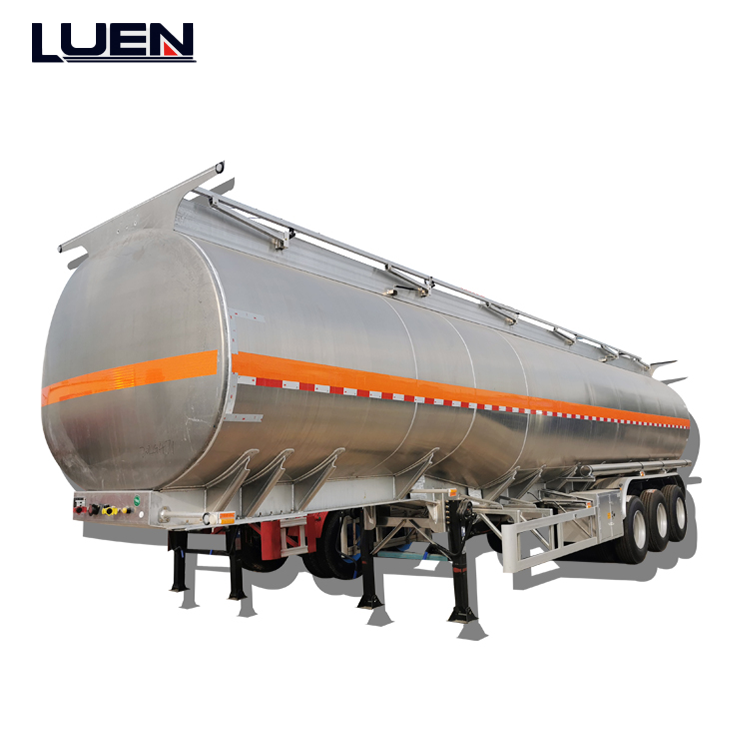
LUEN Dry Van Trailer
The 53 foot standard dry van trailer is the industry standard for enclosed freight transport, especially when considering your options with a transportation provider. These trailers are designed to maximize cargo capacity while staying within federal semi weight limits, allowing for as much freight as possible in one truckload. A typical 53 dry van can carry between 42,000 and 45,000 pounds of cargo, depending on the tractor and trailer configuration.
Key 53′ Dry Van Dims and Specifications
Standard 53′ dry van dimensions include:
- Length: 53 feet exterior
- Width: 102 inches exterior, 98-101 inches interior
- Height: 110 inches interior (9 feet), 13’6″ total trailer height
- Door Height: 110 inches
- Pallet Capacity: Up to 26 standard pallets (48″ x 40″)
These dry van trailer specs allow for efficient loading using standard 53 ft trailer pallet loading diagrams that optimize space utilization.
How to Calculate Max Weight for 53′ Dry Van
The federal semi truck trailer weight limit caps the maximum gross vehicle weight at 80,000 pounds. To determine your max weight for 53′ dry van cargo, you need to consider the combined weight of the truck and trailer:
Maximum Cargo Weight = 80,000 lbs – (Tractor Weight + Empty Trailer Weight)
For example:
- Typical tractor weight: 30,000-35,000 lbs
- Empty 53′ dry van weight: 13,000-14,000 lbs
- Available cargo capacity: 42,000-45,000 lbs
Cargo Capacity Comparison by Trailer Size
| Trailer Type | Max Cargo Weight | Pallet Capacity |
|---|---|---|
| Twenty foot trailer | 22,000 lbs | Up to 10 pallets |
| 48 ft trailer | 43,000 lbs | Up to 24 pallets |
| 53 foot dry van trailer | 45,000 lbs | Up to 26 pallets |
Factors Affecting Dry Van Trailer Weight Limits
Several elements impact how much a heavy haul shipping tractor trailer can haul in the trucking industry, including the focus of ATS Logistics on efficient loads:
- Trailer Construction: Aluminum trailers are lighter than steel, allowing more cargo weight
- Axle Configuration: Federal limits of 20,000 lbs per single axle and 34,000 lbs per tandem axle affect weight distribution
- State Regulations: Individual states may have stricter tractor and trailer weight limits
- Cargo Density: Heavy goods may reach weight limits before filling volume; light goods may fill space before reaching weight capacity
Legal Weights for Semi Trucks and Compliance
Understanding legal weight limits for semi trucks is essential for avoiding fines and ensuring road safety. The max weight for 53′ dry van operations must comply with federal bridge laws and state-specific regulations, which consider the distribution of weight across the truck’s axles. Proper load planning helps operators understand how much weight can a cargo van carry compared to larger trailers while considering the legal weight limit.
Practical Loading Considerations
When loading a dry van shipping 53 for heavy freight, consider:
- Weight distribution to meet axle limits and the axle group limits
- Pallet arrangement for maximum efficiency
- Cargo securing methods for safety
- Heavy duty cargo van alternatives for smaller loads
Note: These specifications are general guidelines. Always verify specific dry van trailer specifications with your equipment manufacturer and check current regulations in your operating states.
Maximizing Payload Efficiency
The max weight for 53′ dry van trailers typically ranges from 42,000 to 45,000 pounds when properly configured, as the total weight of the loaded truck, including the weight of the tractor, must not exceed the legal limit. Understanding these dry van trailer specs and loading techniques ensures operators can maximize payload while maintaining legal compliance and safety standards.