
 English
 Spanish
 French

Dump Truck vs. Dump Trailer: A Comprehensive Guide to Choosing the Right Hauling Equipment
When it comes to hauling heavy materials for construction, landscaping, farming, or waste management, selecting the right equipment is crucial for operational success and profitability. The decision often comes down to choosing between a dump truck and a dump trailer—two essential pieces of equipment that serve the same core purpose yet offer distinctly different advantages. Both serve the primary function of transporting and unloading bulk materials, but they differ significantly in design, cost, usability, and maintenance requirements.
What is a Dump Truck?
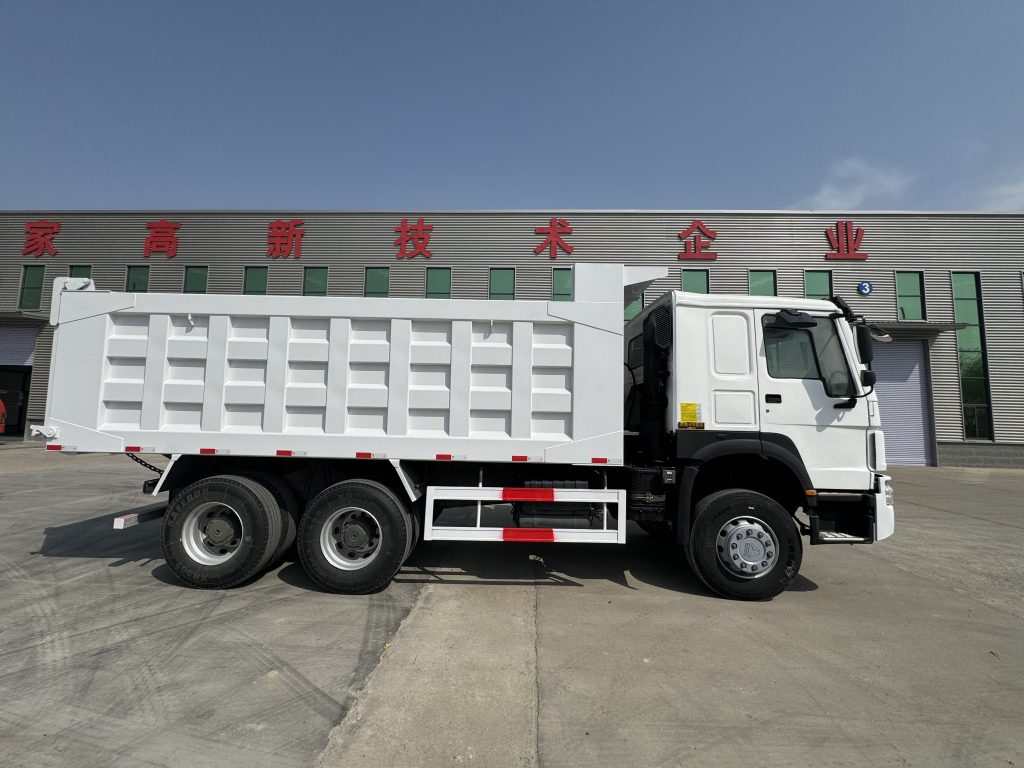
A dump truck with a dump body is a self-powered, heavy-duty vehicle specifically engineered with a hydraulic bed that lifts using a hydraulic ram to efficiently dump materials like sand, gravel, soil, asphalt, or demolition debris . These robust machines range from smaller, more maneuverable models suitable for residential projects to heavy-duty vehicles capable of hauling up to 14 tons or more for industrial applications. Some common configurations include semi trailer dump trucks and truck dump trailers, where the trailer component is integrated or semi-integrated with the truck chassis for maximum efficiency.
Advantages of Dump Trucks:
High Load Capacity: Dump trucks generally carry significantly larger loads than dump trailers, making them the ideal choice for large-scale construction projects, road building, and heavy material transport operations, including options from trusted brands like Ford and Peterbilt.
Superior Stability: Because the truck and dump bed are fully integrated into a single unit, they offer exceptional balance and stability during dumping operations, even on uneven terrain or steep grades.
Complete Self-Sufficiency: No need for a separate tow vehicle or complex hitching procedures; the dump truck operates independently and is always ready for immediate deployment.
Streamlined Operation: Hydraulic systems are specifically designed to work seamlessly with the truck’s engine and control systems, providing smooth, efficient operation.
Disadvantages:
Higher Initial Cost: Dump trucks represent a substantial investment due to their complex engines, transmission systems, and specialized hydraulic components, making them expensive to purchase and maintain.
Licensing Requirements: Operating a dump truck often requires a commercial driver’s license (CDL) and additional certifications, which can limit operator availability and increase training costs.
Limited Operational Versatility: The truck is dedicated specifically to hauling and dumping operations, which limits its flexibility for other business tasks or applications.
What is a Dump Trailer?
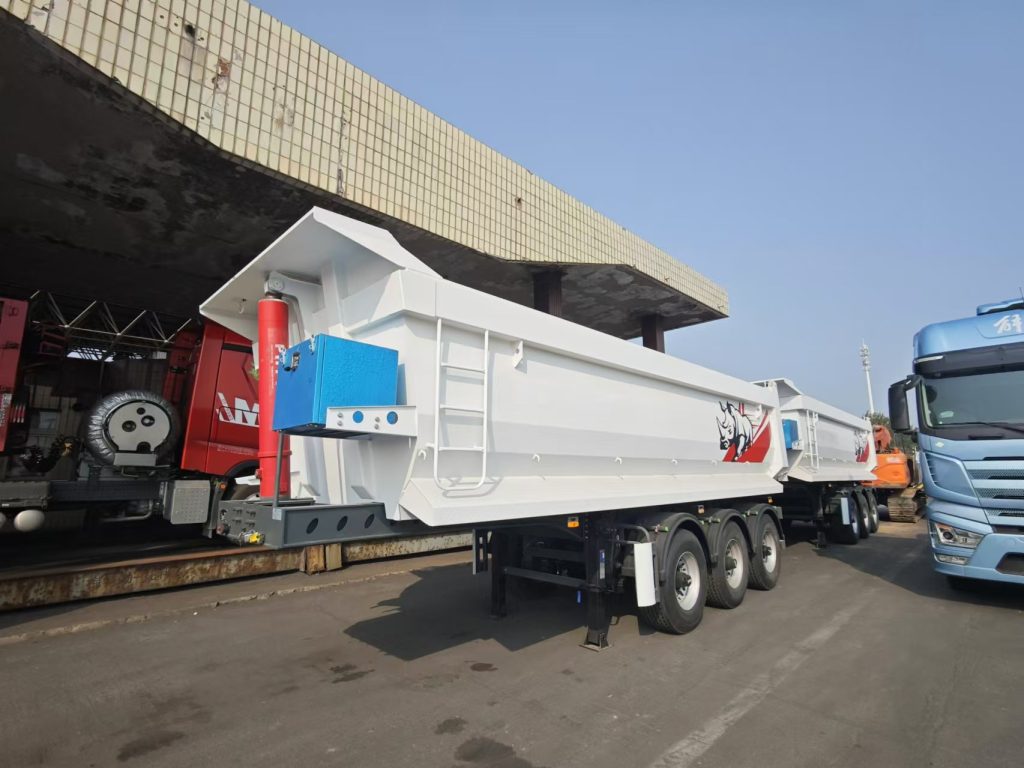
A dump trailer is a specialized trailer equipped with its own hydraulic lift system, designed to be towed by a truck, pickup, or tractor. This versatile setup is often referred to as a commercial dump trailer, dump truck trailer, or simply a trailer dump truck when combined with an appropriate tow vehicle. Dump trailers come in various sizes and configurations, including end dump, side dump, and belly dump trailers, each designed for specific applications and material types.
Advantages of Dump Trailers:
Cost-Effective Solution: Generally significantly cheaper than dump trucks since you only need to purchase the trailer if you already own a suitable tow vehicle, making it an attractive option for budget-conscious operations.
Exceptional Versatility: The trailer can be easily detached when not in use, allowing the tow vehicle to be utilized for other business purposes, maximizing your construction waste equipment investment.
Superior Maneuverability: Smaller dump trailers can navigate tight spaces, residential areas, and confined job sites much better than large dump trucks, making them ideal for landscaping and smaller construction projects.
Lower Loading Height: Easier loading and unloading operations, especially beneficial for solo operators or small crews working without heavy machinery assistance.
Disadvantages:
Dependency on Tow Vehicle: Requires a suitable truck with adequate towing capacity, which adds operational complexity and may require additional equipment investment.
Dual Maintenance Requirements: Both the trailer and tow vehicle need regular upkeep and maintenance, potentially increasing overall operational costs and downtime.
Lower Load Capacity: Dump trailers typically carry lighter loads than dedicated dump trucks, which may limit their effectiveness for heavy-duty construction projects or large-volume operations.
Dump Truck vs. Dump Trailer: Key Comparison Factors
| Factor | Dump Truck | Dump Trailer |
|---|---|---|
| Cost | Higher purchase and maintenance costs due to complex systems | More affordable initial investment if you have a suitable tow vehicle |
| Load Capacity | Higher capacity, up to 14 tons or more for heavy-duty applications | Generally lower capacity; suitable for medium loads and smaller projects |
| Versatility | Dedicated vehicle specifically for dumping operations | Trailer can be detached for other uses, maximizing equipment utility |
| Maneuverability | Better performance on rough terrain, less agile in tight spaces | More maneuverable, especially smaller trailers in confined areas |
| Licensing | Often requires CDL and additional certifications | Usually fewer licensing restrictions and regulatory requirements |
| Maintenance | More complex systems requiring specialized maintenance | Simpler components, but requires maintaining two separate units |
| Resale Value | Depreciates faster but offers long-term durability | Holds value well due to mechanical simplicity |
Specialized Configurations: Dump Truck with Trailer and Semi Trailer Dump Truck
In demanding operations requiring maximum hauling capacity, a dump truck with trailer setup is frequently employed, where a dump truck tows an additional dump trailer to dramatically increase total hauling capacity. This configuration is particularly common in industries needing to move large volumes efficiently, such as mining, large construction projects, and waste management operations. A semi trailer dump truck involves a powerful tractor pulling a specialized semi dump trailer, offering exceptional flexibility and large payload capacity for long-distance hauling applications.
These advanced configurations combine the raw power and stability of standard dump trucks with the versatility and additional capacity of a trailer system. However, they also require experienced, properly licensed operators and may have more stringent legal requirements and operational complexities.
How to Choose Between a Dump Truck and a Dump Trailer
When making the critical decision between a dump truck or a type of dump truck, carefully consider the following essential factors:
Hauling Volume and Load Type: For consistently heavy, large loads and demanding construction applications, dump trucks are more suitable. For lighter, varied loads or mixed-use operations, dump trailers offer superior flexibility and cost-effectiveness.
Budget Constraints: Dump trailers represent a more affordable upfront investment if you already own a suitable tow vehicle. Dump trucks require a substantially larger initial investment but may offer better long-term value for high-volume operations.
Operational Requirements: If you need equipment that’s always ready to haul without time-consuming hooking and unhooking procedures, a dump truck is the better choice. If you want to maximize equipment utilization across multiple applications, a dump trailer offers significant advantages.
Terrain and Site Conditions: Dump trucks handle rough, uneven terrain and challenging job site conditions better due to their superior stability and power. Dump trailers excel in tight spaces, residential areas, and environmentally sensitive locations.
Licensing and Regulatory Compliance: Carefully check local and federal regulations regarding licensing requirements for operating dump trucks or towing dump trailers, as these can significantly impact operational costs and driver availability.
Maintenance Capacity and Resources: Consider whether your operation can better handle maintaining one complex vehicle with specialized systems or managing two simpler units with separate maintenance schedules.
Conclusion
Both dump trucks and dump trailers offer distinct advantages and present specific challenges depending on your unique hauling needs and operational requirements. Dump trucks provide unmatched high capacity, superior stability, and complete self-sufficiency for large-scale, heavy-duty projects where maximum performance is essential. Dump trailers offer cost-effective versatility, easier maneuverability in confined spaces, and the valuable ability to use your tow vehicle for multiple business applications.
The choice between a dump truck trailer and a dump trailer truck setup ultimately depends on your specific business requirements, available budget, operational preferences, and long-term growth plans. For construction professionals, landscaping contractors, or farm operators, thoroughly understanding these critical differences ensures you invest in the right equipment to improve operational efficiency, reduce costs, and maximize profitability.
If you are still uncertain whether a dump truck with trailer configuration or a standalone dump trailer best fits your operational needs, consulting with experienced equipment dealers or industry experts can provide valuable, tailored advice based on your specific projects, budget constraints, and business objectives.


